Where metal meets metal: integrating caulks and sealants into design
by hanna_kowal | August 31, 2026 11:33 am
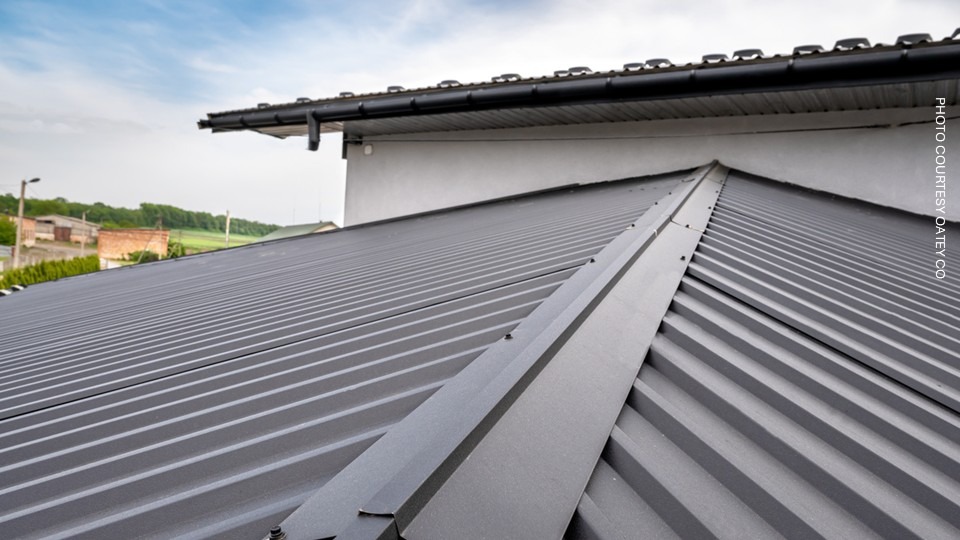 [1]Fundamental to the long-term success of metal buildings, sealants and joint design are more than simply accessories applied at the end of construction. They are integral to managing movement, controlling moisture, supporting energy efficiency, UV/weather resistance, adhesion, and preserving aesthetics.
Where metal moves, the seal must follow
The first design reality in metal buildings is movement. Metal expands and contracts with temperature swings, and that movement can be substantial over long panel runs, roof systems, and exposed exterior surfaces. The resulting stress is concentrated at seams, laps, penetrations, and transitions, where sealants must stretch, compress, and maintain adhesion over time.
That makes flexibility one of the most important sealant selection criteria. Movement capability comes up repeatedly in practice, especially in roofs and joints where thermal cycling is constant.
Silicone sealants are often favored in these situations because they generally offer greater elasticity and can better accommodate expansion and contraction.
Exposure conditions matter as much as the substrate
Metal itself may be broadly compatible with many sealant chemistries, but the service environment is what often determines whether a seal lasts.
Exterior metal assemblies are exposed to environmental impacts such as UV radiation, moisture, freeze-thaw cycling, standing water or salt, and wide temperature swings. Roof systems, gutters, wall panels, and facades each present a different combination of those stresses.
For this reason, a one-size-fits-all approach rarely works well.
Specifying for performance
It is crucial to understand the scope of the performance attributes an assembly needs, including movement capability, weather resistance, adhesion to coated metal, compatibility with adjacent materials, and paintability.
Some critical assemblies require deferring to the metal system manufacturer’s tested recommendations for penetrations, laps, and transitions.
Silicone sealants
Silicone sealants perform well in exterior and wet environments. They support movement and resist UV exposure, making them appropriate for gutters, downspouts, and exterior seams.
Some professional-grade silicone sealants have specific advantages including:
- curing tack-free in 30 minutes and fully curing in 24 hours.
- performing in temperatures ranging from -75 F to 450 F (-59.4 C to 232.2 C).
- accommodating approximately 25 percent joint movement, helping accommodate the expansion and contraction of metal assemblies.
Polyurethane sealants
These sealants are known for their strong adhesion, flexibility, and compatibility with various substrates, making them ideal for metal construction applications such as gutters and ductwork.
Some formulations support sustainability goals and provide durable, weather-resistant seals over a temperature range from -40 C to 82.2 C (-40 F to 180 F). This versatility is beneficial in metal building systems where movement and moisture exposure
are common.
High-heat sealants
High-heat components require materials rated for elevated temperatures. High-heat silicone maintains structure around boilers, vents, and flues. Some high-heat sealants perform in temperatures ranging from -62.2 C to 315.6 C (-80 F to 600 F) with ±25 percent joint movement, supporting seals exposed to continuous or intermittent heat.
Roof and flashing sealants
Choose petroleum-based flashing sealants only when compatible with surrounding materials, as some can negatively affect rubber components.
Key sealant applications in metal architecture
Sealants are used throughout metal buildings, each application presenting unique challenges and requirements.
Metal roofs
Roof systems must withstand direct UV exposure, temperature extremes, and standing water, while also allowing limited access for repairs. Accurate placement of penetrations is critical, as mistakes are difficult to conceal once panels are installed. Sealants must maintain flexibility and adhesion to prevent leaks over time.
Wall panels and facades
Architectural facades often feature exposed joints where sealants are both functional and visible. These joints must accommodate daily thermal movement. resist weathering, and maintain visual consistency. Sealants that adhere well to coated surfaces and retain flexibility are essential in these applications.
Gutters and drainage systems
Gutters and downspouts are constantly exposed to moisture and experience frequent expansion and contraction. Sealants must withstand these cycles without cracking or separating, particularly in freeze-thaw climates.
HVAC and ductwork
Metal duct systems introduce additional variables such as vibration and airflow pressure. Sealants must work in conjunction with mechanical fasteners to maintain airtight connections under dynamic conditions.
High-heat areas
Applications involving vents, flues, and mechanical equipment require sealants rated for elevated temperatures. Standard products may fail under these conditions, making high-heat formulations essential.
Balancing performance and design intent
Visual presentation is often as important as performance. Exposed joints, panel seams, and facade details demand careful attention to sealant appearance.
Design considerations include:
- Color matching: Sealants are available in a range of colors to blend with metal finishes.
- Clear options: Transparent sealants can minimize visual impact where color matching is difficult.
- Tooling and application: Clean, consistent lines enhance appearance and reflect craftsmanship.
- Paintability: Not all sealants accept paint; specifying paintable options is critical when coatings are applied.
Sustainably sealing metal facades
Sealants are not always the first material category discussed in sustainable design, but they still matter. The use of certain paints, coatings, sealants, and adhesives can also help a building earn LEED certification points. Use low- or zero-VOC sealants and caulks for all applications to improve and maintain indoor air quality (IAQ).
At the same time, a sealant that fails prematurely and requires frequent replacement is inherently less sustainable than one that performs reliably for years under the same conditions.
Sean Comerford is the manager of inside sales and tech support at Oatey Co.
This feature originally appeared in the June/July 2026 edition of Metal Architecture, which you can find in our Digital Edition Archives.
- [Image]: https://www.metalarchitecture.com/wp-content/uploads/2026/08/OateyPic.jpg
Source URL: https://www.metalarchitecture.com/articles/features/caulks-and-sealants/