Complementing Modern Metal Panel Designs with Masonry
by hanna_kowal | October 22, 2025 8:23 pm
 [1]
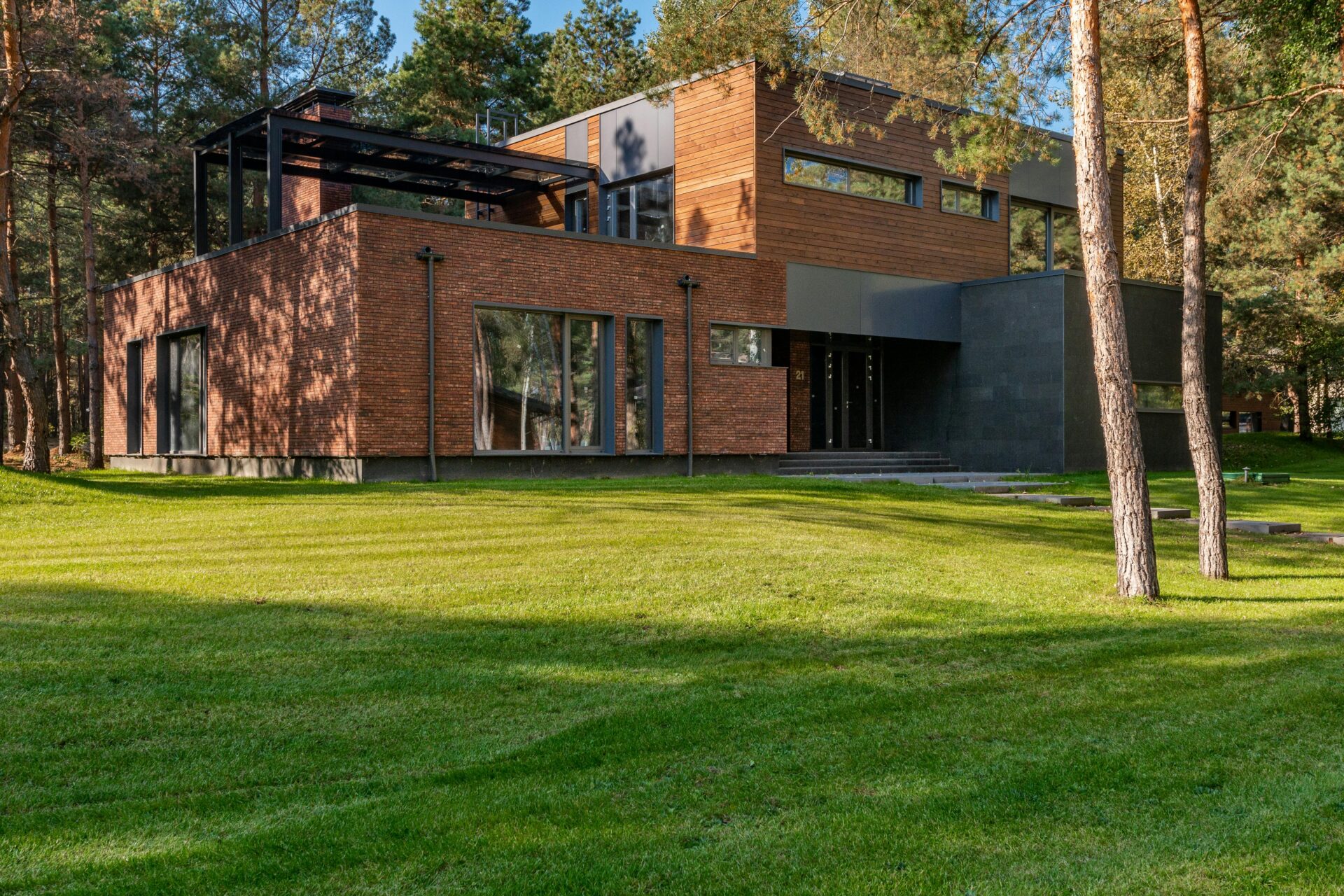
[1]As contemporary architecture embraces cleaner lines, minimalist structures, and high-performance materials, design professionals face the challenge of balancing modernity with warmth, permanence, and texture. In this evolving landscape, the interplay between traditional masonry and modern metal panel systems offers a compelling path forward. The fusion of these materials provides not only aesthetic contrast but also structural integrity and environmental performance.
For architects, engineers, and design specialists, this integration is not simply a stylistic choice but a strategic one. It allows for the creative expression of contrast and continuity, of the enduring and the innovative. By understanding the principles behind this collaborative design and working closely with professionals like a seasoned masonry contractor, teams can bring to life buildings that are both future-ready and grounded in tradition.
The aesthetic balance of old and new
One of the most striking advantages of combining masonry with metal panels is the visual balance achieved between timeless materials and contemporary finishes. Masonry, whether in the form of brick, stone, or concrete block, adds a tactile, earthy presence to facades. These textures bring richness and historical continuity, which contrast beautifully against the sleek, crisp lines of metal cladding systems.
Metal panels, on the other hand, offer clean geometries and reflective surfaces that convey precision and innovation. When designed thoughtfully, the juxtaposition of these materials can draw the eye, delineate functional zones, or create hierarchy and rhythm across elevations. For instance, anchoring the base of a structure with heavy stone while topping it with vertical metal panels can enhance the sense of groundedness while also elevating the structure’s overall silhouette.
Material selection and compatibility
 [2]
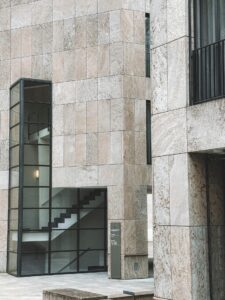
[2]The success of this mixed-material strategy hinges on careful material selection and detailing. Not all masonry and metal combinations work harmoniously. Compatibility must be evaluated across visual, structural, and thermal performance dimensions.
Masonry options:
- Brick: Available in a wide range of colors and finishes, it offers timeless appeal and modular flexibility.
- Natural stone: Adds unique grain, texture, and permanence, ideal for creating focal elements.
- CMU (Concrete Masonry Units): Provide cost-effective and durable solutions for large-scale surfaces.
Metal panel systems:
- Aluminum Composite Material (ACM): Lightweight and highly customizable in color and texture.
- Insulated Metal Panels (IMPs): Offer built-in insulation for superior energy efficiency.
- Corrugated or ribbed metal panels: Provide structural strength and dynamic shadows.
To achieve visual harmony, designers must consider scale, pattern, color, and finish. Pairing warm-toned brick with matte-finished dark panels, or matching cool-toned limestone with anodized aluminum, creates elegant contrasts without visual dissonance.
Durability, protection, and efficiency
The combination of masonry and metal is not just about aesthetics. These materials bring complementary performance benefits, especially when used on high-performance building envelopes.
Masonry offers unmatched resistance to wear, impact, and fire. It is particularly beneficial for the base of a building, where it can withstand splashback, vandalism, and physical stress. On the other hand, metal panels—especially when coated or anodized—offer excellent resistance to corrosion, UV degradation, and thermal expansion.
A critical consideration is how the two systems manage water. Masonry is often porous, while metal is non-permeable. Therefore, proper detailing at transitions, including flashing and weep systems, is essential to prevent water intrusion and preserve structural integrity.
Insulated metal panels (IMPs) can provide high R-values and act as continuous insulation (c.i.). When combined with masonry’s thermal mass, the wall system can buffer against temperature swings, reducing HVAC loads. This dual-function performance contributes to a building’s energy efficiency and long-term operational savings.
Detailing the interface
 [3]
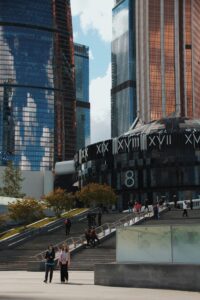
[3]Designing the transition between masonry and metal panels requires technical precision. Poor detailing can lead to thermal bridging, water penetration, or structural issues.
Key considerations:
- Control joints: These accommodate expansion and contraction, especially critical where dissimilar materials meet.
- Flashing systems: Metal flashings must be integrated with moisture barriers behind the masonry and the metal substrate to create a seamless weather-tight envelope.
- Substrate and fastening systems: Ensure compatibility with both veneer ties for masonry and concealed fasteners or clips for metal.
- Alignment and modulation: The coursing of bricks and the module of metal panels must be reconciled in the early design phase to ensure pattern cohesion and minimize awkward transitions.
Collaborating with both a facade engineer and an experienced masonry contractor can streamline this process, ensuring constructability while maintaining the design vision.
Case applications: urban infill and institutional spaces
Mixed-material facades are especially effective in urban settings and institutional projects where context, durability, and brand identity are all important. In dense urban environments, masonry allows new construction to echo historic context, while metal panels signal contemporary aspirations. Many mixed-use developments feature brick on the lower floors—tying into the street vernacular—and metal panels above, expressing modernity and lightness.
Universities and civic centers often embrace this aesthetic and performance blend. For example, a public library might feature limestone and stainless steel to create a lasting visual statement that conveys both permanence and innovation.
Budget and lifecycle considerations
While integrating masonry and metal panels can elevate design outcomes, cost control remains a key concern. Masonry is labor-intensive, but it offers long-term savings through low maintenance and longevity. Metal panels vary widely in cost depending on material and finish, but they offer speed of installation, which can offset labor costs.
It is important to consider lifecycle cost analysis during design development. Initial investment should be weighed against durability, maintenance, and performance. In many cases, the right blend of these materials delivers the best value over a lifecycle.
Working with the right team
Collaboration is crucial. To execute a mixed-material facade successfully, the design team must involve the general contractor, facade consultants, and specialty contractors early in the process. Input from professionals like masonry contractors can offer valuable insights on material sourcing, installation logistics, and potential cost-saving measures.
Additionally, coordination with panel system suppliers ensures that framing requirements, substrate compatibility, and fire-resistance ratings are addressed early, preventing delays and redesigns during construction.
Conclusion: tradition meets technology
The fusion of masonry and metal panel design reflects a larger architectural movement, one that honors the past while embracing the future. When thoughtfully integrated, these materials can transcend their individual limitations and produce a whole that is greater than the sum of its parts.
For architects and engineers striving to create facades that are both expressive and high-performing, this approach offers rich potential. The textural depth of masonry paired with the precision of metal invites innovation while preserving a sense of material honesty.
As more clients seek buildings that are not only functional but also emotionally resonant, the thoughtful integration of traditional and modern materials may well be the defining language of contemporary architecture.
Kevin Zajac is estimator and project manager for Coast to Coast Masonry and has been in the masonry and chimney industry for nine years. Zajac is the son of founder Romen Zajac, who has been in the business for over 30 years. Kevin Zajac has a CSIA chimney certification and is under mentorship from masonry-licensed industry veterans. Learn more about Coast to Coast Masonry at www.coasttocoastmasonry.com[4].
- [Image]: https://www.metalarchitecture.com/wp-content/uploads/2025/10/image-3.jpg
- [Image]: https://www.metalarchitecture.com/wp-content/uploads/2025/10/image-1.jpg
- [Image]: https://www.metalarchitecture.com/wp-content/uploads/2025/10/image-2.jpg
- www.coasttocoastmasonry.com: https://www.coasttocoastmasonry.com/
Source URL: https://www.metalarchitecture.com/articles/features/metal-panel-designs-with-masonry/