Full Disclosure: Is Your Building Prepared for Climate Risk Reporting?
by Marcy Marro | June 1, 2022 12:00 am
It is in this context that voluntary and mandatory disclosure frameworks are being introduced to raise awareness of the risks posed to business by anthropogenic climate change and push for action to reduce them. The increased intensity and frequency of natural hazard events, including extreme wind, flooding, storm surges, heat waves and wildfires, create significant risks to business, including commercial real estate. In the United States, rising sea levels threaten at least $136 billion of coastal properties, and approximately $1.3 trillion in real estate is at high risk from wildfires.
One of the most significant developments is the new draft disclosure rules (The Enhancement and Standardization of Climate-Related Disclosures for Investors[1]) recently released by the Securities and Exchange Commission (SEC). Created in the 1930s in response to the stock market collapse that triggered the Great Depression, the SEC has a long history of protecting investors through disclosure rules for publicly traded securities. These rules have evolved to include consistency and transparency in disclosing risks, including environmental risk, as well as financial solvency. The proposed new rules build on this legacy by requiring annual reporting of a company’s greenhouse gas emissions contributing to climate change, and disclosure of the climate risks that could impact the value of investments in the company. The rules are aligned with the voluntary framework developed by the Task Force on Climate-related Financial Disclosures[2] (TCFD). The requirements will be phased in, with larger companies filing their first disclosures in 2024 (fiscal year 2023). Reporting for smaller companies will phase in in subsequent years.
The required GHG emissions reporting will include Scope 1 and Scope 2 emissions, and in some cases Scope 3 as well. Scope 1 refers to direct emissions from the combustion of fuels on site, such as emissions from natural gas boilers. Scope 2 is the emissions from off-site energy generation, typically natural gas and coal power plants, used for operations on-site. Some companies may also have to report Scope 3 emissions[3], the emissions from upstream and downstream activities in an organization’s value chain. A company’s Scope 3 emissions could be the Scope 1 and 2 emissions of the manufacturer of goods they use, or indirect emissions from their operations like waste generation, employee commutes, and business travel. Scope 3 reporting is required when emissions are “material.” Materiality is determined by asking if the information is considered material or significant enough to influence financial decisions. For companies with a long value chain, Scope 3 is probably material, as these emissions are likely greater than Scope 1 and 2.
The disclosures will address both physical and transitional climate risks that could impact the value of assets. Physical risks are the weather-related risks intensified by climate change. Will the asset withstand the anticipated increased intensity of hazard events? Transitional risks are the threats posed by shifts in the economy or public policy in response to climate change that could impact property values, operating costs, revenue, etc. This could include regulations like building performance standards, new development restrictions that limit asset use, or local/regional economic impacts from climate shifts.
Why is SEC disclosure important to you? If adopted as expected later this year, the rule would apply to publicly held architecture, engineering, and construction (AEC) firms, and material manufacturing companies. The rules would also apply to commercial real estate assets developed and held by publicly traded real estate companies such as real estate investment trusts (REITs), currently representing more than $2.5 trillion in assets.
While only about a quarter of commercial real estate assets in the United States are publicly held, and most AEC firms are private companies and not directly subject to reporting, the rule will touch many in the building industry for several reasons:
- Publicly held banks and investment managers will be subject to reporting and are significant sources of debt and equity for private real estate companies.
- Publicly traded companies that lease space will be reporting the carbon emissions and climate risks of the properties they occupy and will be looking to landlords to support their required disclosures.
- Buildings constructed today by private real estate firms may be destined for ownership by publicly held entities after the initial hold period. Assets that have not been designed with carbon emission reduction and climate risk in mind could have diminished value once the market responds to the implications of these disclosures.
- Privately held AEC firms and manufacturers could be in the value chain of publicly traded companies, and their emissions may be material and subject to reporting.
In short, the GHG emissions associated with the design, construction, and operation of a significant percentage of the commercial real estate market will eventually be subject to reporting, making low-carbon buildings more valuable assets. Likewise, awareness of the risks that climate change poses to those properties will be better understood, and will drive investment and leasing decisions, increasing the value of hardened structures and safer locations. Carbon emissions and climate risks are not yet influencing real estate values, but they will soon. The increased adoption of building performance standards[4], like New York’s Local Law 97[5], will require similar efforts. Forward-thinking building owners and investors will want to be aware of potential impacts and plan accordingly, and design and construction professionals should be prepared to help them.
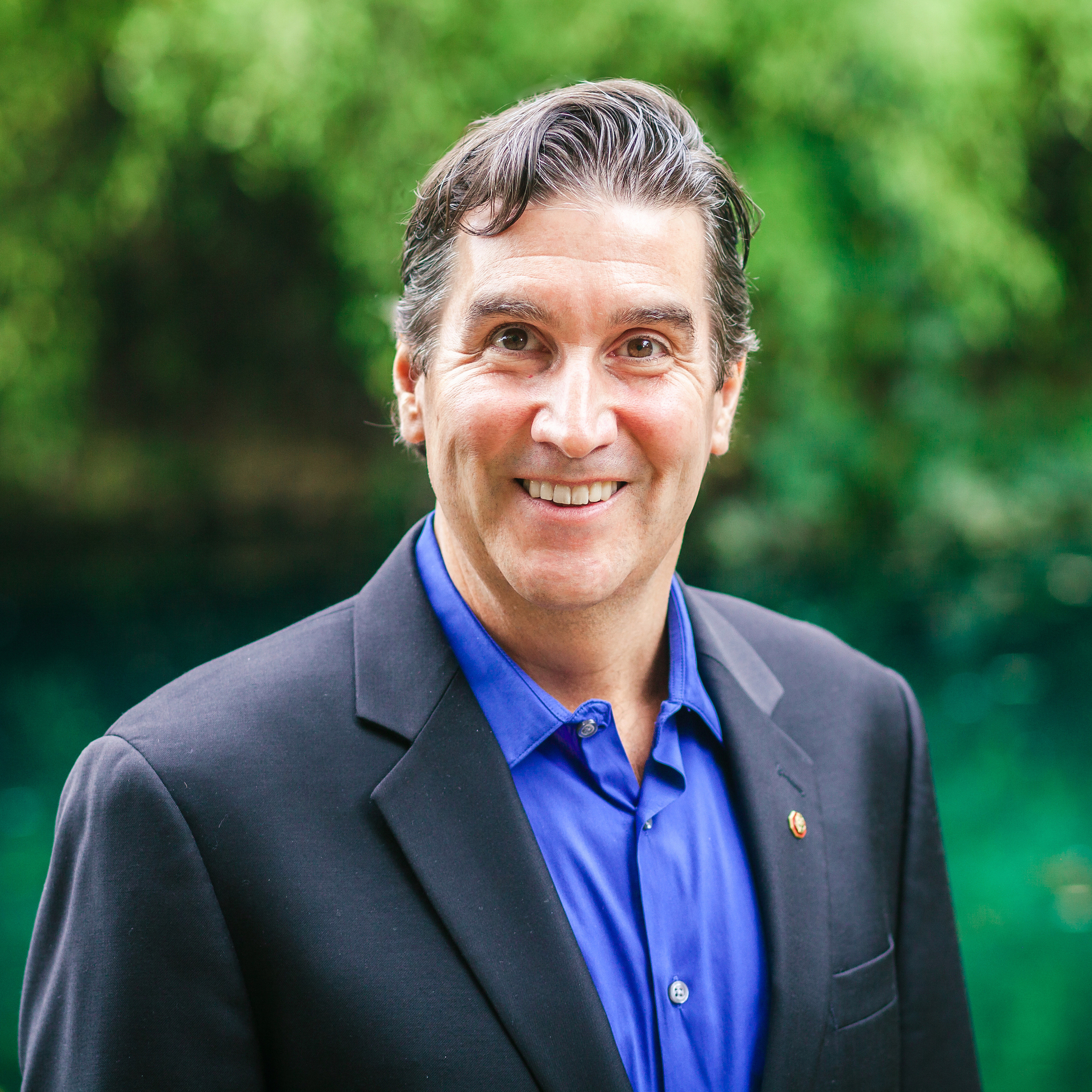
Alan Scott, FAIA, LEED Fellow, LEED AP BD+C, O+M, WELL AP, CEM, is an architect with over 35 years of experience in sustainable building design. He is director of sustainability with Intertek Building Science Solutions in Portland, Ore. To learn more, follow Scott on LinkedIn www.linkedin.com/in/alanscottfaia/[6].
- The Enhancement and Standardization of Climate-Related Disclosures for Investors: https://www.sec.gov/files/33-11042-fact-sheet.pdf
- Task Force on Climate-related Financial Disclosures: https://www.fsb-tcfd.org/
- Scope 3 emissions: https://www.epa.gov/climateleadership/scope-3-inventory-guidance#:~:text=Scope%203%20emissions%20are%20the,scope%201%20and%202%20boundary
- building performance standards: https://nationalbpscoalition.org/
- New York’s Local Law 97: https://www1.nyc.gov/site/sustainablebuildings/ll97/local-law-97.page#:~:text=Under%20this%20groundbreaking%20law%2C%20most,coming%20into%20effect%20in%202030
- www.linkedin.com/in/alanscottfaia/: https://www.linkedin.com/in/alanscottfaia/
Source URL: https://www.metalarchitecture.com/articles/full-disclosure-is-your-building-prepared-for-climate-risk-reporting/