A Comprehensive Guide to Insulated Rolling Doors
by tristan_marks | June 5, 2025 3:08 pm
In this comprehensive guide, learn about the role and importance of insulated rolling doors in commercial building design.
In climate-controlled buildings, insulated doors are a must-have. Garage door openings are one of the most crucial areas of a building’s overall energy efficiency strategy. Just as insulation and windows protect from air leaks, an insulated rolling door adds significant sealing and insulation in one of the building’s most vulnerable areas. We’ll explain what an insulated door is to help you understand its importance, and give you options to choose from.
What is an insulated rolling door?
An insulated door is engineered and constructed with a core material between the slats that provides thermal resistance. The thermal performance of the door assembly is typically measured by U-factor[1]. Insulated doors use non-metal materials such as plastic backers and rubber gaskets to create thermal breaks. This design minimizes heat transfer from one side of the door to the other, “breaking” the path of heat transfer.
Function and purpose of insulated rolling doors
An insulated door serves two purposes: to insulate and seal. Both qualities are essential for an energy-efficient rolling door. While the former is important, seals can make or break a door’s overall thermal performance. These doors are typically used in buildings that need interior climate control: warehouses, cold storage facilities, food processing plants, and pharmaceutical manufacturing facilities, to name a few.
Energy Efficiency
The most important function of an insulated rolling door is to regulate indoor temperatures. As part of a full energy efficiency strategy, an insulated door can start a domino effect. First, consistent indoor temperatures lead to reduced energy consumption. Then, heating and cooling systems don’t have to work so hard. Next, reduced energy consumption leads to lower utility bills. Finally, overall energy savings result in a reduction in long-term building maintenance costs.
Climate Control
Energy efficiency upgrades contribute to healthy and cozy indoor environments—not only for employees and customers but also for equipment and goods. Insulated rolling doors are a solution to sealing the building envelope. Specialized seals and gaskets block air leaks and infiltration points, sealing gaps. This, plus high-quality insulation in the door’s core, helps balance a building’s humidity and temperature levels, preventing condensation, corrosion, mold, and mildew.
Sound Attenuation
Insulated doors carry an unexpected perk—sound attenuation! Or, simply, a reduction of sound or volume. Sound attention is thanks to excellent insulation materials in the door, which will either be foamed-in-place melamine, polyurethane, polystyrene foam, or mineral wool. This and a solid perimeter seal contribute to favorable sound attenuation. A door’s Sound Transmission Class (STC) rating measures how well it muffles sounds. The higher the rating, the more soundproof the door.
Building Codes and Standards
Like most products, insulated coiling doors are designed to meet, and even exceed, building codes and standards. Here are some typical codes and standards for insulated doors.
• ASHRAE 90.1 sets minimum energy efficiency requirements for commercial buildings, including rolling doors. It also specifies the minimum U-factor and R-value based on the climate zone.
• ASTM E90 is a standard test that measures the STC rating of rolling doors.
• ANSI/DASMA 108 is a testing method that assesses how well a door can withstand wind loads.
• California Title 24 is the state’s energy efficiency standards for buildings. Any rolling door installed in California must meet specific installation and construction requirements that contribute to the building’s overall energy efficiency.
• (IECC) section C402.5.2 sets the maximum allowable air leakage rate through a door assembly and designates required testing.
Compare Cornell Insulated Rolling Doors
When it comes to energy efficiency, Cornell is ahead of the competition. Our engineers go above and beyond to set the standard, and once we set it, we aim to exceed it. Our relentless pursuit of perfection is reflected in our full line of insulated rolling doors.
Whether regulating indoor climates, reducing energy costs, or safeguarding buildings from the elements, Cornell’s cutting-edge solutions ensure you’re offering customers the most effective products.
Insulated Rolling Doors
Thermiser®
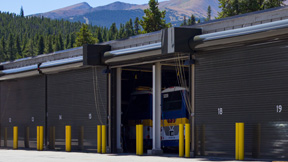
Thermiser can be mounted on a building’s interior or exterior. Foamed-in-place polyurethane insulation helps maintain indoor temperatures, and rugged galvanized steel coated in a GalvaNex™ polyester enamel finish resists rust and corrosion.
 [2]
[2]
U-factor: 0.9
Cycles: 50,000
Warranty: 2-year
Back Slat Construction: steel
Insulation: polyurethane foam
Air Infiltration Package: not available
Max Width: 9 m (30 ft)
Powder Coat: available
STC Rating (Entire Assembly): not available
Standards: not available
Mounting: interior and exterior
Thermiser Max®
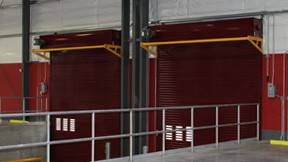
Thermiser Max set the industry standard for thermal performance. This door carries a U-factor of 0.82, the lowest in the rolling door industry, second only to our Thermiser Max – Low U. Impressive energy efficiency is thanks to a patented perimeter seal, thermally broken guide construction, and a polyurethane insulated curtain.
 [3]
[3]
U-factor: 0.82
Cycles: 50,000
Warranty: 2-year
Back Slat Construction: steel
Insulation: polyurethane foam
Air Infiltration Package: available
Max Width: 9 m (30 ft)
Powder Coat: available.
STC Rating (Entire Assembly): Up to 32 STC available.
Standards: IECC 2021, ASHRAE 90.1, California Title 24
Mounting: interior/exterior
Thermiser Max®—Low U
Shattering our thermal performance record, Thermiser Max—Low U is our most energy-efficient model. Low-U exceeds industry standards with a U-factor rating of 0.532. The difference lies in revolutionary design details, including a CPVC backer, mineral wool insulation, a thermally broken guide, and a groundbreaking sealing system.
 [4]
[4]
U-factor: 0.532
Cycles: 50,000
Warranty: 2-year
Back Slat Construction: low-smoke CPVC
Insulation: mineral wool
Air Infiltration Package: available
Max Width: 6 m (21 ft)
Powder Coat: available (front slat only)
STC Rating (Entire Assembly): up to 27 STC available.
Standards: IECC 2021, ASHRAE 90.1, California Title 24
Mounting: interior only
Corrosion-Resistant Insulated Door
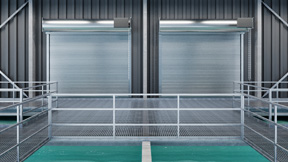
Our standard rolling and insulated doors have been reimagined for water treatment plants. The Corrosion-Resistant Service and Insulated Door carries a 2-year, 50,000-cycle warranty. The doors are engineered with a ZRG powder-coated shaft, zinc-coated bearings, corrosion-resistant fasteners, and the rugged NEMA 4X operator to resist red rust and oxidation.
 [5]
[5]
U-factor: not available
Cycles: 50,000
Warranty: 2-year
Back Slat Construction: steel
Insulation: polyurethane
Air Infiltration Package: none
Max Width: 4.5 m (15 ft)
Powder Coat: available
STC Rating (Entire Assembly): 22
Standards: ASHRAE 90.1, IECC
Mounting: interior/exterior
Insulated High Performance Doors
Extreme® 300 Series
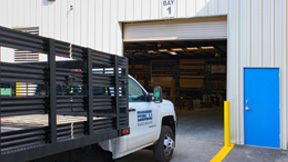
Available in both insulated and uninsulated models, the Extreme 300 Series Door features 300,000 maintenance-free cycles. Insulated models carry an air leakage rating of less than 0.009 m3/min. (0.3 cfm), surpassing ASHRAE® 90.12, 2015, IECC®, and California’s Title 24 air infiltration requirements.
 [6]
[6]
U-factor: not available
Cycles: 50,000
Warranty: 2-year
Back Slat Construction: steel
Insulation: polyurethane
Air Infiltration Package: standard
Max Width: 7 m (24 ft)
Powder Coat: available
STC Rating (Entire Assembly): 32
Standards: ASHRAE 90.1, IECC
Mounting: interior/exterior
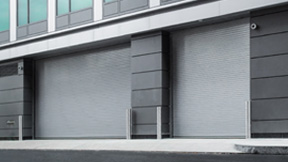
Extreme 1024
One of the most economical doors in the lineup, the Extreme 1024 Door has an impressive 5-year, 1-million-cycle warranty. Compared to other high-speed slatted products, the Extreme 1024 Door has the lowest lifetime cost and cost-per-cycle on the market. As another perk, the door can also be configured for operational wind loads up to 4.8 kPa (10 psf).
 [7]
[7]
U-factor: not available
Cycles: 50,000
Warranty: 2-year
Back Slat Construction: steel
Insulation: polyurethane
Air Infiltration Package: standard
Max Width: 7 m (24 ft)
Powder Coat: available
STC Rating (Entire Assembly): not available
Insulated Counter Doors
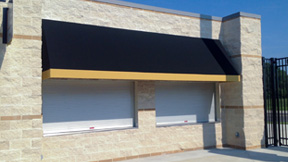
Rolling Insulated Counter Door
The only counter door of its kind, our insulated counter door features a patented PVC back slat with melamine foam insulation. The PVC backer slat eliminates metal-on-metal contact, reducing operational noise and extending the life of the finish.
 [8]
[8]
U-factor: not available
Cycles: 50,000
Warranty: 2-year
Back Slat Construction: PVC
Insulation: melamine foam
Air Infiltration Package: not available
Max Width: 6 m (21 ft)
Powder Coat: available
STC Rating (Entire Assembly): 26
Standards: not available
Mounting: interior/exterior
- U-factor: https://www.cornelliron.com/thermiser-max-low-u
- [Image]: https://www.metalarchitecture.com/wp-content/uploads/2025/06/thermiser.jpg
- [Image]: https://www.metalarchitecture.com/wp-content/uploads/2025/06/thermiser-max.jpg
- [Image]: https://www.metalarchitecture.com/wp-content/uploads/2025/06/thermiser-max-low-u.jpg
- [Image]: https://www.metalarchitecture.com/wp-content/uploads/2025/06/corrosion-resistant-insulated-door.jpg
- [Image]: https://www.metalarchitecture.com/wp-content/uploads/2025/06/extrene-300-series.jpg
- [Image]: https://www.metalarchitecture.com/wp-content/uploads/2025/06/extreme-1024.jpg
- [Image]: https://www.metalarchitecture.com/wp-content/uploads/2025/06/rolling-insulated-counter-door.jpg
Source URL: https://www.metalarchitecture.com/articles/insulated-rolling-doors/