Ornamental Metal: A Name With More Than Meets the Eye
by hanna_kowal | January 9, 2026 2:56 pm
 [1]
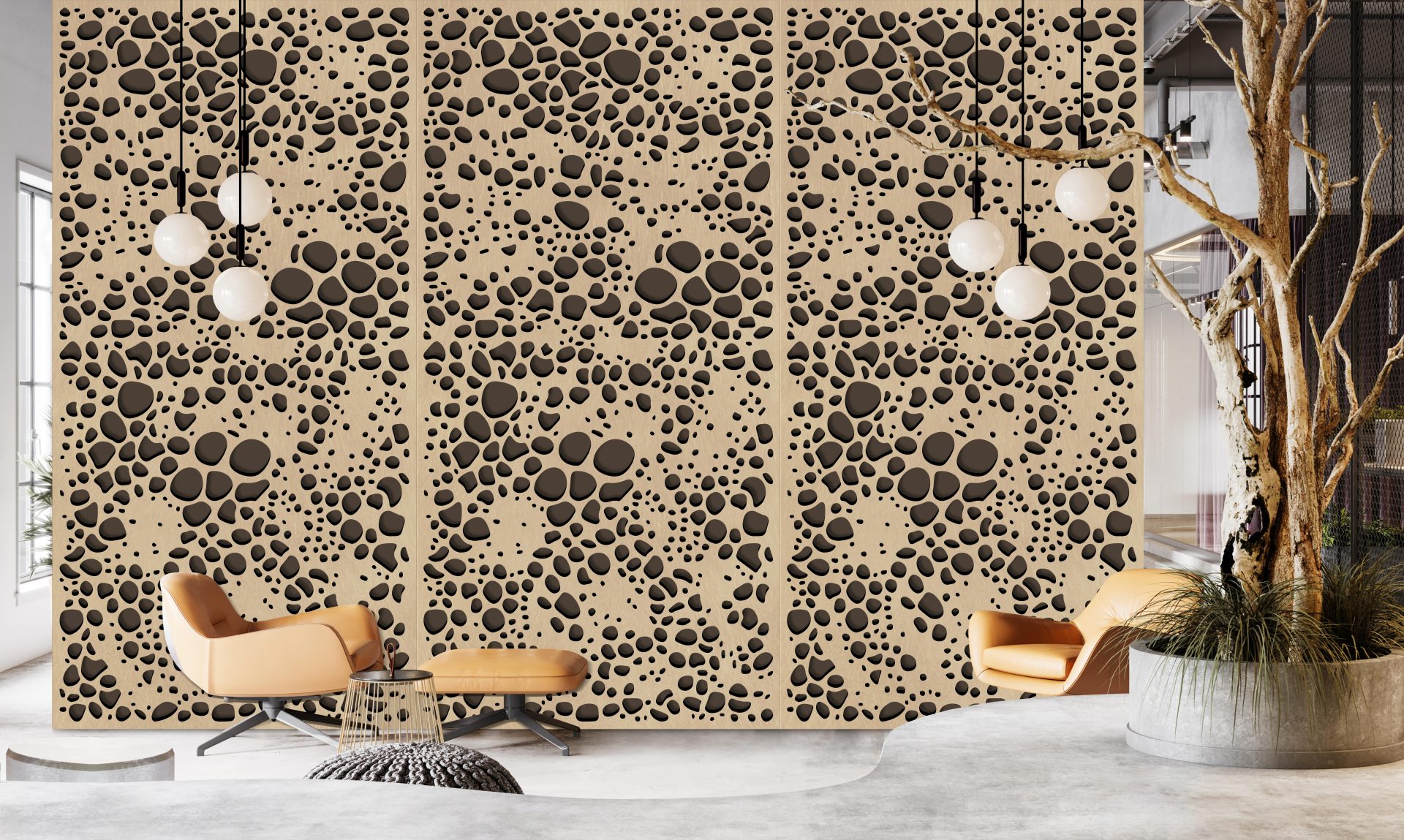
[1]The name “ornamental metal” is self-explanatory, but not all-encompassing. Certainly, the use of sheet metal for interior and exterior ornamental purposes aligns with the term, offering architects and designers decorative options for creating unique visuals or integrating new elements with established surroundings. Plus, given the versatility of metals typically selected for use, there is virtually no limit to the aesthetic statement that can be achieved.
However, better appreciating and more fully realizing the potential of interior ornamental metal requires looking beyond what the eye can see. Beneath their pleasing aesthetics exist functional capabilities that are not only considered nice options to have but, in many instances, are essential for helping a new construction or renovation project meet non-negotiable requirements, such as privacy, acoustical comfort, and sustainability.
Recognizing the increasing number of expectations placed on ornamental metal, manufacturers have expanded their product lines and continue to introduce new offerings. This translates into an extensive array of finishes, colors, perforations, and patterns that can be further distinguished through options for laser cutting and stamping. It also means going far beyond what the typical consumer may think of as ornamental accents, such as handrails, lighting fixtures, or doorknobs. Today, ornamental metal applications can occupy a significant portion of an interior space through their use as ceiling and wall panels, column covers, and room dividers. Lastly, manufacturer portfolios provide solutions that are well-suited for different purposes, including corporate, healthcare, retail, hospitality, education, and transportation sectors.
As a result of this increased manufacturer awareness and response—coupled with the growing demand for ornamental metal to be more than aesthetically pleasing—the industry faces more requirements and a wider range of product choices than ever before. Fostering a basic understanding of ornamental metals and manufacturing options supports a clear path to integrating ornamental metal into a functional, highly distinctive space. This article outlines key considerations that enable architects and designers to optimize the numerous opportunities presented by ornamental metal, with a primary focus on interior applications, including ceilings, walls, column covers, and room dividers.
Visual design trends
 [2]
[2]Photo courtesy Armstrong World Industries
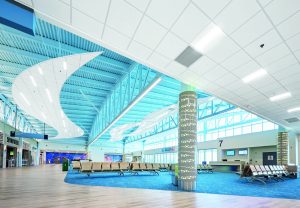
The industry is witnessing several trends that offer strong indications they are here for the long term. Many of these ornamental metal trends originate in the desire for spaces that bring the outside inside—that is, biophilic design and overall experiences that connect occupants with nature. With nature-inspired designs becoming increasingly prevalent, manufacturers are seeing an increase in demand for ornamental metal designs that support a more relaxing, calm, and grounded atmosphere. For example:
- Colors include options like matte black, champagne gold, moss green, and earth tones.
- Finishes feature textures such as hammered, brushed, and wood looks.
- Pairings allow designers to coordinate a color choice and a grain pattern for distinctive looks.
- Digital printing fuses metal grain, color, and art in a multi-layered effect that creates unique imagery ranging from bold graphic designs to natural patterns.
- Backlighting offers soft LED options.
- Laser-cutting produces organic patterns that convey movement and avoid repetitiveness.
However, serenity and nature are not always the right fit for a space. Retail, event spaces, and certain corporate areas, for example, require a higher level of energy. Ornamental metal trends in these types of applications include punching in brighter colors, integration into bold, branded signature spaces, and the playful use of LED backlighting that changes colors to suit the time of day, set a desired mood, or enhance occupant activity.
Although trends should never fully dictate ornamental metal selection and use, they can offer a strong starting direction that can then be shaped to meet a highly unique design vision. Manufacturer sales representatives are a great source for insights into what is trending, why, and where.
Occupant expectations
 [3]
[3]Photo courtesy Armstrong World Industries
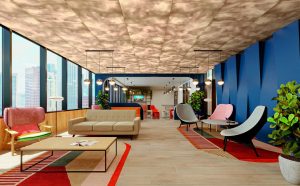
While visual design trends certainly make an important contribution to an occupant’s overall experience, there are other ways ornamental metal can help ensure a space meets the expectations of those who use it. For office, healthcare, legal, and educational environments, for example, individualized spaces and acoustics are key. Ornamental metal dividers can create spaces for small group discussions or support individual productivity while offering the design versatility to carry through a brand, culture, or statement.
Used in walls, ceilings, and column covers, ornamental metal can also support better acoustics. Dividers can prevent sound from traveling between spaces, perforation patterns can be punched into the metal to allow sound to pass through, and acoustic backing or substrate can be applied to support sound absorption.
Other important considerations to support occupant expectations are sustainability and safety. Today, employees, customers, clients, and facility owners expect—if not require—spaces to support strategies that protect the environment. Aluminum is one of the most sustainable materials in the world, is infinitely recyclable, and can be easily reused. It is also a highly versatile, durable material for ornamental metal applications, and may qualify a project for LEED credits. In terms of safety, aluminum and other common ornamental metal materials, such as steel, typically qualify for a Class A fire rating and meet other building codes and standards.
Functionality
When selecting an ornamental metal, it is important to consider several functional attributes. Key considerations include:
- Synergy—In what ways should the ornamental metal align with other design and architectural elements within and outside of the space? Many options allow new ornamental metal components to integrate seamlessly with everything from centuries-old window and door frames to cutting-edge wall treatments.
- Statement—Does the space need to “wow” clients, draw in new customers, assert a strong corporate brand, or convey quiet and compassionate care? Ornamental metal choices can—and should—support whatever the statement requires.
- Durability—What type of wear, tear, and exposure will the ornamental metal components be subjected to? The choice of materials, design, and installation should account for factors such as the amount of traffic that flows through the space and how often and rigorously it needs to be cleaned. Ornamental metal materials such as aluminum and steel provide extraordinary durability and can be treated with protective topcoats that help them resist scratches, chipping, fading, scuffing, and other
environmental damage. - The “cover up”—Ornamental metal offers a visually pleasing way to conceal unsightly necessities such as wiring, structural columns,
and ductwork. - Installation—Many ornamental metal solutions are prefabricated and have pre-applied finishes to reduce complexity on the job. Lightweight options such as aluminum can save time and labor, as can manufacturer applications that, for example, provide easy-to-peel protective film. Also consider integrated suspension assemblies that are tested for mechanical, electrical, and plumbing (MEP) components, such as lighting, sprinklers, and HVAC systems.
Custom or standard
Traditionally, standard options for a project’s design have been associated with meeting budgets and timelines, while custom options prioritize highly elevated design visions over cost and timing. Currently, manufacturers pay attention to trends and work to create standard options that meet demand. This results in a vast array of standard ornamental metal choices, allowing architects and designers to meet their design intent and the project’s functional requirements while achieving a degree of distinction that makes it unique.
When designing a highly elevated space, it is a best practice for architects to communicate with manufacturers to source materials that align most closely with their vision. This can lead to standard ornamental metal options that not only complement the design intent but also elevate it or add an element not previously considered. Taking this step could unexpectedly save time and money. Likewise, it is essential to recognize that a tight budget or timeline does not always necessitate limiting design options. Designers can meet cost and time criteria with ornamental metal options that look customized but are, in fact, available as standard options.
Conclusion
Ornamental metal used for interior projects carries a significant responsibility. The results must be visually appealing, distinguish the space, meet required codes and standards, and make a statement. Choices must also support sustainability goals, stand the test of time, be resilient and resistant to impacts, align seamlessly with surrounding architecture, and support indoor environmental requirements for occupant comfort, well-being, and productivity. Increasingly, each of these needs is met in various types of buildings. Moreover, even though ornamental metal options largely reflect current trends, the visuals they create remain timeless. For the foreseeable future, the use of ornamental metal designs—with their diverse patterns, finishes, shapes, and sizes—will remain both relevant and crucial to a space’s function, aesthetics, and overall experience.
Andrew Lake, senior product manager of interior metals at Armstrong World Industries, has been an integral part of the Armstrong team for more than two decades. His success in early roles, including plant fabrication supervisor and manufacturing team manager at the Armstrong Marietta plant and Macon facility, respectively, demonstrated strong leadership, relationship-building, strategic-thinking, and problem-solving skills that became the foundation for him to evolve his responsibilities and grow his value to the company, its customers, and the building materials industry. He has fulfilled responsibilities ranging from architectural and contracting sales manager to recycling infrastructure process specialist and integration marketing sales manager. Most recently, Lake served as director of new product development before taking on his current responsibility for growing the Armstrong interior metals business. In addition to his role as senior product manager of interior metals, he spearheads collaborations with Armstrong’s subsidiary, Móz Designs, to integrate capabilities and innovate solutions responsive to industry trends. Lake received his bachelor’s degree from West Virginia University.
- [Image]: https://www.metalarchitecture.com/wp-content/uploads/2026/01/Origins-of-Nature.jpeg
- [Image]: https://www.metalarchitecture.com/wp-content/uploads/2026/01/Melbourne-Orlando-Intl-Airport.jpg
- [Image]: https://www.metalarchitecture.com/wp-content/uploads/2026/01/MWTS-Classics-Collection.jpg
Source URL: https://www.metalarchitecture.com/articles/ornamental-metal/