The Resiliency of Stone-coated Steel Roofing
by hanna_kowal | December 31, 2025 8:58 am
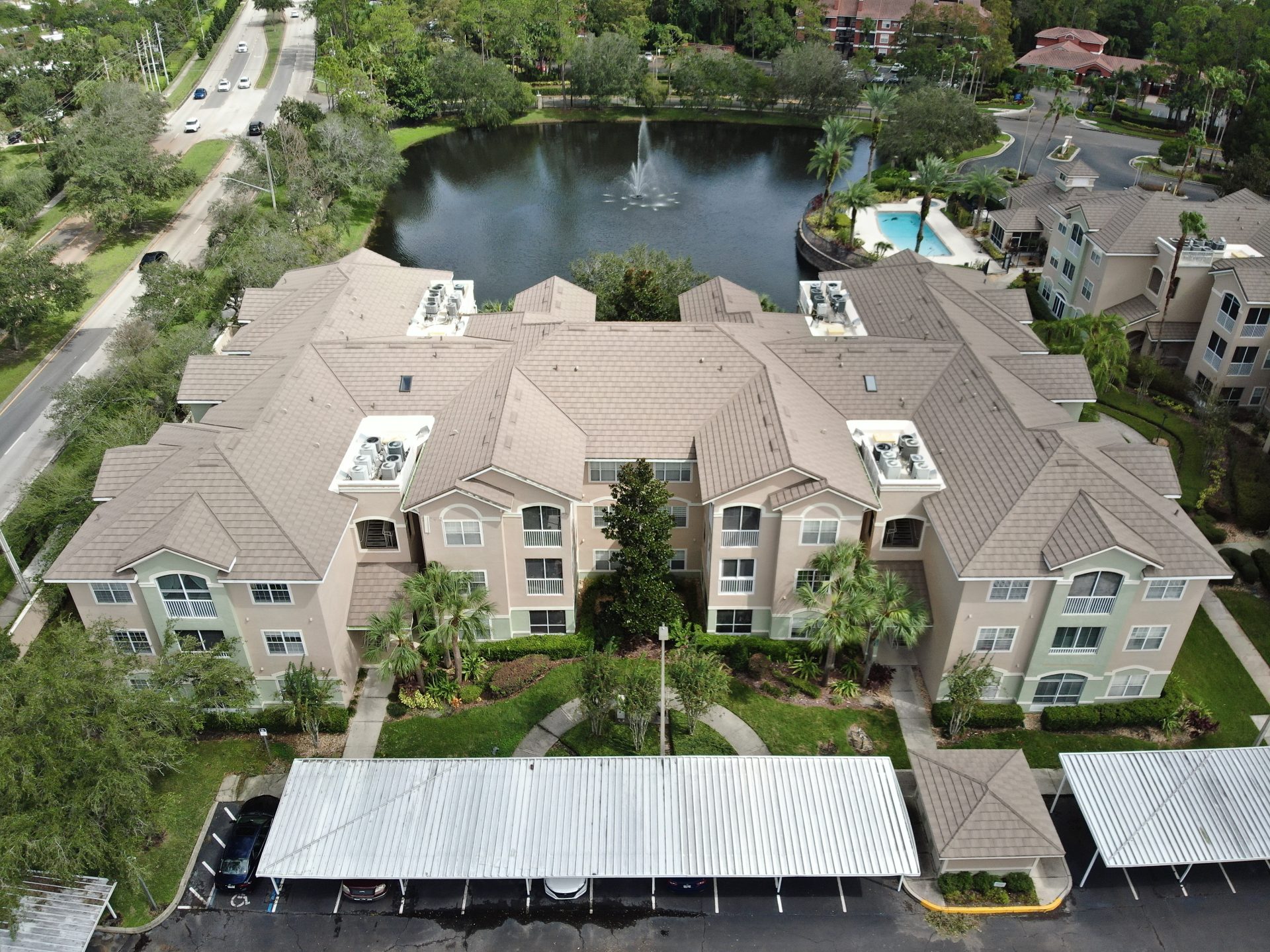 [1]
[1]Photo courtesy Westlake Building Products
As the U.S. continues to face increasingly severe storms and weather events, homeowners and commercial property owners are seeking greater resilience to avoid short- and long-term damage to the exterior, as well as to protect their interiors. The roof remains a first line of defense for structures, so its resistance to wind, rain, hail, and fire is critical.
 [2]
[2]Photo courtesy Westlake Building Products
Stone-coated steel roofing offers this resiliency for new construction, retrofits, and storm-damaged roof applications. Both the strength of its material makeup and proven installation methods can help deliver peace of mind amid growing external weather threats in regions throughout the country. Including the material in roof designs supports energy-saving and long-term performance, even in the most extreme conditions.
How stone-coated steel is made
Stone-coated steel roofing is designed for resilience, offering optimal protection during extreme weather events and natural disasters.
The roofing tiles are made with zinc-aluminum alloy-coated steel, which is coated with granules, applied with an acrylic polymer adhesive, and covered with a clear acrylic overglaze. The resulting material is extremely durable, benefiting from the structural strength of steel, yet it remains very lightweight, weighing only 7.3 kg/m2 (1.5 lb/sf).
Stone-coated steel comes in a range of profiles and colors, mimicking traditional shake, slate, tile, and shingle roofing while delivering the performance benefits of steel. This provides versatility across a range of sloped-roof residential and commercial projects, including single-family homes, multifamily buildings, churches, military facilities, and schools.
Protection from extremes
Stone-coated steel roofing systems, when installed with the proper underlayment and attachment processes, provide safety, comfort, and protection from some of the most severe climate conditions.
They can also be installed in any weather, even severe cold, allowing contractors to avoid weather-related delays and get projects done on time.
High winds
With modular design, batten substructure, and fastening patterns, stone-coated steel has been proven to withstand severe wind events, including hurricanes and tropical storms. When fastened properly, a stone-coated steel roof system can withstand Category 5 hurricane-force winds and meet coastal Florida’s performance for High Velocity Hurricane Zone (HVHZ), including Miami-Dade approval—the most stringent hurricane resistance standard in the country—where requirements reach as high as 289.7 km/hr 180 miles/hr.
There are four installation methods to achieve different wind level ratings: direct-to-deck with a standard fastening schedule, installation on battens with a standard fastening schedule, direct-to-deck with additional fasteners and an enhanced fastening pattern, and, finally, to achieve the highest wind ratings in areas like Florida, installation on a batten system with an enhanced fastening schedule.
Performance levels may also vary across different style profiles. Specifiers and installers can consult wind charts and local requirements, then use manufacturer guidelines to determine which installation method combines with the desired profile to meet wind performance needs.
Depending on the installation used—direct-to-deck or a batten system—and the specific detail being performed, fastener length varies. However, all fasteners used must meet or exceed the corrosion-resistant standard as defined in ASTM B117. The shape and design of the panel fasteners, from head size to thread design, have been developed for optimal performance and aesthetics.
Wildfire
Per testing to ASTM E108, stone-coated steel roofing can help protect structures from fire spread. Stone-coated steel panels can be installed with a specific underlay to achieve a Class A fire rating in the most severe fire-prone areas, providing extra protection from wind-driven embers that are common during urban firestorms and pose a risk if they come into contact with the home’s roof.
It is important to remember that a Class A fire rating is a systems-based test. Metal roofing is noncombustible, but it does not stand on its own; it must be considered in conjunction with the underlayment and roof deck below. Fire rating levels C, B, and A are based on intensity, not time, like some other materials. Local jurisdictions or regional requirements will determine the level of system rating required.
Hail
Stone-coated steel carries an Underwriters Laboratories (UL) Class 4 impact rating. Some manufacturers’ offerings also go a step further with a Factory Mutual (FM) Very Severe Hail (VSH) impact-resistance classification. Stone-coated steel has the ability to withstand 50.8 mm (2 in.) hailstones at a minimum of 53 joules.
No special installation methods, beyond those specified by the manufacturer and code requirements, are needed to achieve these impact ratings.
Ice damming
Following heavy snowfall in cold climates, air in the attic warms the roof, causing snow to melt, run down the roof, and refreeze at the cold roof edge. This can lead to the formation of an ice dam that can trap water and may eventually pass through to the wood sheathing, causing long-term damage, including rot and mold.
Stone-coated roofing materials can help avoid this issue. When used in conjunction with above sheathing ventilation (ASV) technology, stone-coated steel products can help mitigate the effects of freeze-thaw cycles that cause ice damming. The system helps equalize temperature between the snow and the structure, minimizing melt and freeze cycles to help reduce ice dams.
Snow loads
By combining the steel composition, panel profile, and installation methods, a stone-coated steel roof can carry more weight from snow than other roofing options, thereby protecting the roof from damage. The properly supported panels do not delaminate, fracture, or break from the added weight of high levels of snow.
The granulated surface also helps prevent snow avalanche situations that can occur on painted metal roofing systems, eliminating the requirement for snow retention devices.
 [3]
[3]Photo courtesy Westlake Building Products
Energy savings potential
Stone-coated steel roofing may also be used as part of a complete Cool Roof System (CRS) to reduce the structure’s energy consumption and provide cost savings, another issue of increasing importance as temperatures continue to rise.
The CRS combines the stone-coated steel roofing with a high-performance underlayment, elevated batten system, and a continuous ridge vent. This system allows warm air to rise and exit the roof system, and the continuous airflow across the roof deck helps create a cooler attic space and living area inside.
Commercial project considerations
Stone-coated steel can typically be used for sloped roofs across single-family residential, multifamily, and light commercial projects. Local codes may outline more stringent requirements based on the application. For example, while a single-family home may only require a Class B fire-rated roof system in certain locations, a healthcare facility may need a Class A fire rating and higher wind resistance due to the greater risk and potential reduced mobility associated with people undergoing care within.
Long-term performance
As extreme weather threats escalate and insurance premiums rise, investing in more resilient roofing options is increasingly important. A stone-coated steel roof can provide long-term savings and benefits of higher performance while ensuring peace of mind for occupants and owners.
Robin Anderson is the technical and strategy development manager for the Roofing Solutions Group of Westlake Royal Building Products. Learn more at www.westlakeroyalbuildingproducts.com.
- [Image]: https://www.metalarchitecture.com/wp-content/uploads/2025/12/Summergate-1_Unified-Steel_Pine-Crest-Shake_Harborwood-_FL-5.jpg
- [Image]: https://www.metalarchitecture.com/wp-content/uploads/2025/12/Unified-Steel_LDS-Church.jpg
- [Image]: https://www.metalarchitecture.com/wp-content/uploads/2025/12/Unified_Steel_Pine-Crest-Shake-Charcoal-SANY0029.jpg
Source URL: https://www.metalarchitecture.com/articles/stone-coated-steel/