Metal Architecture welcomes new editor-in-chief Anthony Capkun
by anthony_capkun_2 | May 13, 2026 8:04 am
[1]
Anthony Capkun has joined the team as editor-in-chief of Metal Architecture[2] and its sister publication Metal Construction News[3].
He grew up working in the trades as a drywaller in the family business, and has over 20 years of experience covering the construction, energy, and building sectors.
Anthony[4] joins Hanna Kowal, who continues to serve as the editorial lead for Metal Architecture.
He can be reached at acapkun@metalarchitecture.com[5].
It Takes a Village: 12 Promotions Advance The Architectural Team’s Community-focused Practice
by hanna_kowal | May 7, 2026 2:23 pm
[1]In the spirit of “it takes a village,” The Architectural Team (TAT), a firm whose designs strengthen communities, is strengthening its own community with a plethora of promotions. TAT, an integrated architecture, master planning, and interior design firm known for its focus on multifamily housing, has announced a series of strategic promotions elevating 12 key team members to new roles within the firm.
“For over 55 years, TAT has grown and thrived because we believe in supporting and nurturing our team members,” says Thomas Schultz, AIA, NCARB, CPHC, managing principal at TAT. “Everyone in our firm shares a belief in the power of architecture to help create more livable, equitable, and sustainable communities. Especially as our country faces urgent challenges ranging from housing shortages to climate change adaptation, there is no better way to develop solutions than to empower our own experts so they can utilize the full range of their creativity and expertise.”
Spotlighting housing leadership
The firm’s advancements include the naming of four new senior associates: Phil Renzi, Andrew Stebbins, Meghann Van Dorn, and Anthony Vivirito. Each brings experience leading complex projects across TAT’s national portfolio spanning affordable, mixed-income, and senior housing, adaptive reuse and new construction, and large-scale mixed-use initiatives.
TAT has also named five new associates, officially elevating longtime team members Al Donovan, Ryan Hagler, Kasumi Humphries, Jim Podesky, and Nathan Thomas to its leadership track.
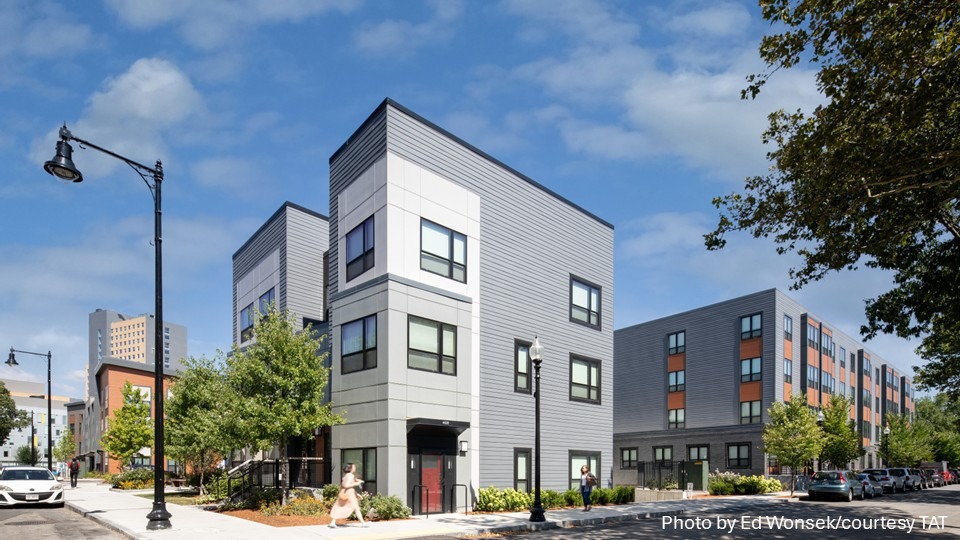
[2]Flat 9 at Whittier exemplifies The Architecture Team’s multifamily residential work.
Expanding operational excellence
The firm has promoted key administrative, marketing, and business development experts, including Danielle Eckrich, named director of administration; Kristen Parry, promoted to senior marketing coordinator and pursuits lead; and Meghan Wynne, who takes on the role of controller.
According to TAT’s senior leadership, this significant round of promotions reflects the 100-plus-person firm’s accelerating nationwide reach, with projects active in more than a dozen states, and embodies an ongoing strategic initiative to expand senior roles and grow its leadership team from within.
Building on a legacy of impact
As planners and designers of affordable, mixed-income, and market-rate multifamily, mixed-use, and senior and assisted living communities, TAT is also recognized for its hospitality and community facility projects, as well as its national award-winning expertise in historic preservation, rehabilitation, and adaptive reuse.
Recent milestones include the completion of Stone Mill Lofts[3], an innovative all-electric residential adaptive reuse of a nearly 200-year-old former industrial complex; The Cove, an award-winning new apartment community in Worcester, Mass.; the start of construction at Mary Ellen McCormack, a large-scale redevelopment of Boston’s oldest federal public housing community; and the upcoming reopening of St. Francis House following TAT’s trauma-informed interior renovation of the well-known Boston day shelter.
TAT’s four new senior associates have played important roles on many of these projects and other important firm initiatives. The five new associates also bring valuable experience and expertise that support the firm’s core architecture, planning, and interiors efforts, and the newly promoted administrative and marketing leaders are also integral players in TAT’s success.
Bringing Design Synergy Home with Vertically Stacking Doors
by hanna_kowal | May 7, 2026 10:34 am
[1]Glazing, finishes, and construction of vertically stacking doors are easily customized to complement other architectural features of new and existing homes. Photo courtesy Clopay Corporation
Modern architecture reflects homeowners’ desire to blend indoor comfort with outdoor living. This trend has encouraged designers to explore solutions that balance indoor/outdoor spaces and has inspired manufacturers to develop products that solve design challenges and bring an architect’s vision to life.
Compact vertically stacking doors exemplify how manufacturers confront structural complexities and pioneer innovative solutions. Offering striking aesthetics and practical considerations for space, these aluminum and glass artworks are anything but standard garage doors. A myriad of customization options, sleek styles, and thoughtful engineering address aesthetics, privacy, and light control, as well as ceiling space constraints, empowering architects and homeowners to reimagine how and where these doors can be used.
Building on a solid foundation
Compact vertically stacking doors are an evolution of the traditional garage door, and the right choice depends on the desired look, functionality, and installation requirements. Like traditional doors, vertically stacking doors are known for their endurance and style and are constructed with high-quality aluminum and glass. It is their unique space-saving design that sets them apart from their predecessors.
This newer stacking style neatly folds the door sections above the opening. This approach eliminates the need for an overhead track system, preserving the fifth wall—or ceiling space—for lighting, mechanical systems, and decorative ceiling elements. Some vertically stacking doors include the option to stow the sections in a recessed area above the door, making them virtually invisible when the door is open.
In addition to the streamlined functionality of stacking doors, several key construction features enhance their durability and control privacy and visible light transmittance (VT), including:
Commercial-grade aluminum frames. Aluminum is renowned for its lightweight strength and resistance to corrosion, which contributes to the door’s smooth, quiet operation, low maintenance, and extended lifespan.
Heavy-duty rollers and track systems. Robust steel ball-bearing rollers, combined with nylon tires, deliver quiet and consistent operation. A concealed track mechanism enhances the appearance by keeping the door’s hardware hidden and maintaining clean, uninterrupted visual lines.
Glass styles and glazing. For security and durability, glass styles can include single-pane, tempered, acrylic, and insulated options. Additional glazing choices control light transmittance, provide privacy, or, with low emissivity (low-e) glass, improve energy efficiency.
These construction features provide both engineering strength and light and privacy options essential in modern home designs. However, what has propelled vertically stacking doors into the spotlight is the evolution of their design.
[2]Photo courtesy Clopay Corporation
Merging structure with style
Compact vertically stacking doors have evolved from their pragmatic origins to become integral design elements celebrated for their visual appeal and versatility. Modern iterations combine sleek lines with clean, unobtrusive profiles, thanks to their hidden mechanics and absence of overhead tracks. The result is an uncluttered look that brings a contemporary feel to any residence, whether the style is minimalist modernism, industrial chic, or updated traditional.
The door’s aluminum frames are available in multiple finishes, which complement the glazing options. Anodized options are available in clear, dark bronze, or sleek black, adding understated elegance and outdoor weather protection. Additional finishes such as white, chocolate, and bronze introduce rich color and warmth, harmonizing with interior palettes. Custom colors also extend the aluminum palette to more than 1,500 shades, empowering designers and homeowners to achieve their architectural visions.
The array of customization possibilities works flawlessly with various architectural narratives, from urban townhomes to sprawling estates. Experimenting with this aesthetic versatility, architects and homeowners are finding increasingly innovative ways to incorporate these doors into home designs.
Applications in residential design
The growing popularity of using stacking doors to transform the home environment is the result of the demand for more flexible spaces with abundant natural light and seamless indoor-outdoor living. Some creative examples of vertically stacking doors in modern home design include:
Oversized vehicle or overhead equipment storage. A vertically stacking door system is ideal for garages that house taller vehicles or specialized overhead equipment, such as car lifts or ceiling-mounted storage. Eliminating traditional overhead tracks maximizes the ceiling space that can be allotted for other uses.
Pool houses and outdoor kitchens. The effortless blending of indoor comforts with outdoor environments enhances recreational and entertainment spaces. Homeowners appreciate the ability to expand usable space and experience natural airflow and social connection when hosting gatherings.
Party barns, studios, and workshops. Versatile accessory buildings seamlessly transition from private, enclosed spaces to vibrant, open-air venues, significantly enhancing the usability, property appeal, and market value of a home.
With such versatile applications, vertically stacking door systems are redefining what is possible in the modern home. From the Gulf Coast to the Pacific Northwest, doors can be customized to meet rigorous regional performance standards, including ASHRAE 90.1[3], International Energy Conservation Code (IECC) 2021, wind-rated construction and glazing, impact resistance, security, UV protection, and more.
It is important to consult the manufacturer’s guidelines before specifying and installing, as vertically stacking door systems are not suitable for all applications. Recommended applications are often dependent on climate zone and weather conditions. Online tools available from some manufacturers further aid door customization and specification by allowing users to upload home images, preview door styles, explore colors and glazing options, and request color samples to match door finishes to design visions.
Opening the door to imagination
Compact vertically stacking doors have become much more than practical installations. Moving from the humble garage to the outdoor kitchen and beyond, these ever-evolving architectural elements notably enhance residential design. With an impressive range of colors, styles, and configurations, along with performance standards to match, vertically stacking doors empowers architects, designers, and homeowners to express their creativity and individuality without compromise.
Heather Bender is the director of commercial product marketing at Clopay Corporation. At ClopayDoor.com[4], she leverages 16 years of experience in manufacturing and building materials to find unique solutions for building owners and designers. She can be contacted at hbender@clopay.com.
This feature originally appeared in the March/April 2026 edition of Metal Architecture, which you can find in our Digital Edition Archives.
Doors can define a design’s function, flow, and appearance, depending on the project’s location and intended space. It is critical to understand how doors can enhance a building’s functionality across various sectors.
This quick quiz draws insights from the case of a hybrid artistic, cultural hub, and industrial space in Boston Harbor, exploring design strategy based on our article, “Opening the Watershed[2].”
MBCEA Reveals 2026 Building of the Year and Honors Industry Award Winners
by hanna_kowal | May 6, 2026 10:34 am
At its 57th Annual Conference, held April 22–24 in Colorado Springs, Colo., the Metal Building Contractors & Erectors Association (MBCEA[1]) announced its 2026 Building of the Year winners.
“Each year, these awards showcase the innovation, craftsmanship, and commitment to quality that define our industry,” said Sasha Demyan, executive director. “From complex project execution to decades of leadership and service, this year’s honorees represent the very best of MBCEA and the metal building community.”
The Building of the Year award was presented to GBS Enterprises of Bel Aire, Kans., for The Refinery Sports Complex in Garden City, Kans.
Additionally, awards of excellence and merit were announced for buildings in three separate categories: commercial, community, and manufacturing.
The MBCEA is excited to showcase the 2026 Building of the Year Award winners, the members who worked on the buildings, as well as the metal building manufacturers and suppliers.
A recreation success: 2026’s building of the year[2]
The Refinery Sports Complex is an 18,580.6 m² (200,000 sf) multi-sport and convention facility designed as a regional destination for athletics, events, and community gatherings. GBS Enterprises of Bel Aire, Kansas, served as the contractor, with the building manufactured by Behlen Building Systems.
The project features a massive clear-span structure assembled at grade and lifted into place, along with a complex multi-building configuration that integrates indoor fields, courts, retail space, and a convention center. The project required significant in-field coordination to merge multiple building systems into a unified structure while maintaining high performance and energy efficiency.
Captivating commercial metal projects
Commercial category: under 2,787.1 m² (30,000 sf)
Award of Excellence: Jersey Meadow Golf Clubhouse in Jersey Village, Texas[3] Red Dot Buildings of Athens, Texas, served as both manufacturer and erector for this 864 m² (9,300 sf) clubhouse. The project blends the efficiency of a metal building system with elevated architectural detailing, including a distinctive clock tower, concealed rooftop mechanical systems, and high-performance insulation that exceeds typical standards—all within a compact footprint designed to enhance the surrounding golf course experience.
Award of Merit: Premier Custom Paint and Collision in Zelienople, Pa.[4] C. Tucker Cope & Associates, Inc. of Columbiana, Ohio, served as general contractor for this modern automotive facility, manufactured by Chief Buildings. The project combines durability with design using insulated metal panels, expansive glazing, and a thoughtfully integrated layout that supports both high-performance operations and a refined customer experience.
Commercial category: more than 2,787.1 m² (30,000 sf)
Award of Excellence: Mitchell Subaru in Canton, Conn.[5] PDS Engineering & Construction, Inc. of Bloomfield, Connecticut, served as design-build contractor for this 2,972.9 m² (32,000 sf) dealership, manufactured by Metallic Building Systems. The project incorporates a wide range of architectural elements—including curtain walls, masonry, solar panels, and a two-story showroom—while achieving Subaru Eco-Friendly certification, making it one of a limited number of certified dealerships nationwide.
Award of Merit: Ring Power Facility in Leesburg, Fla.[6] Steel Worx Solutions LLC of Groveland, Florida, served as design-build contractor for this 7,153.5 m² (77,000 sf) facility, manufactured by Kirby Building Systems. Built to withstand Florida’s demanding environmental conditions, the project includes advanced roofing systems, engineered curb solutions, and high-performance insulation designed to meet strict hurricane and weather-resistance standards.
Community category
Award of Excellence: St. Vrain Sanitation District Administration & Maintenance Buildings in Frederick, Colo.[7] Baker Steel Erectors of Frederick, Colo., served as erector for this three-building campus, manufactured by Alliance Steel Buildings. The project features distinct yet interconnected structures with complex rooflines, extended overhangs, and integrated architectural materials, designed to support growing regional infrastructure needs while maintaining a strong civic presence.
Award of Merit: Trinity Presbyterian Church in Owasso, Okla.[8] Metal Building Industries of Tulsa, Okla., served as erector for this worship facility, manufactured by Metal Building Industries. The project combines structural ingenuity with architectural expression, including vaulted rooflines, full-height stone walls, and phased construction that allowed the expansion of the original vision into a fully realized community landmark.
Manufacturing category
Award of Excellence: IMC Metals America Upcast in Shelby, N.C.[9] Hoke Enterprises, Inc. of Grover, N.C., served as the general contractor for this 11,148.4 m² (120,000 sf) copper processing facility, manufactured by Schulte Building Systems. The project required precise coordination within a constrained site adjacent to active operations and included complex structural systems and crane integration—all completed with an exceptional safety record.
Award of Merit: Nucor Towers and Structures in West Hazleton, Pa.[10] Kaiser-Martin Group, Inc. of Temple, Pa., served as general contractor for this multi-building manufacturing expansion utilizing systems from Nucor Building Systems and Metl-Span. The project involved constructing new facilities over and around existing operational infrastructure, requiring phased scheduling and advanced coordination to maintain uninterrupted production.
Entries were evaluated by an independent panel of industry professionals using a standardized scoring system. Each project was judged across five key criteria: aesthetics, interesting features, quality and safety, complexity, and green building elements, with scores determining category winners and the overall Building of the Year.
In addition to the Building of the Year Awards, MBCEA also inducted the following individuals into its prestigious Pioneers Club and presented the Robert & Beverly Ketenbrink “Oil Can” Service Award.
Pioneers Club Inductees:
Steve Herrman, S & H Construction Co., Inc. of Oak Grove, MO
Barry Daigle, BB Gunn Contracting Limited of Linwood, ON
Randy Haefli, Component Construction Company of Fort Worth, TX
Each inductee has demonstrated decades of leadership, craftsmanship, and commitment to advancing the metal building industry.
The Robert & Beverly Ketenbrink Service Award was presented to Joseph Allen of Thomas Phoenix International in recognition of his outstanding service and dedication to both MBCEA and the industry.
 [1]
[1] [1]In the spirit of “it takes a village,” The Architectural Team (TAT), a firm whose designs strengthen communities, is strengthening its own community with a plethora of promotions. TAT, an integrated architecture, master planning, and interior design firm known for its focus on multifamily housing, has announced a series of strategic promotions elevating 12 key team members to new roles within the firm.
 [2]
[2] [1]
[1]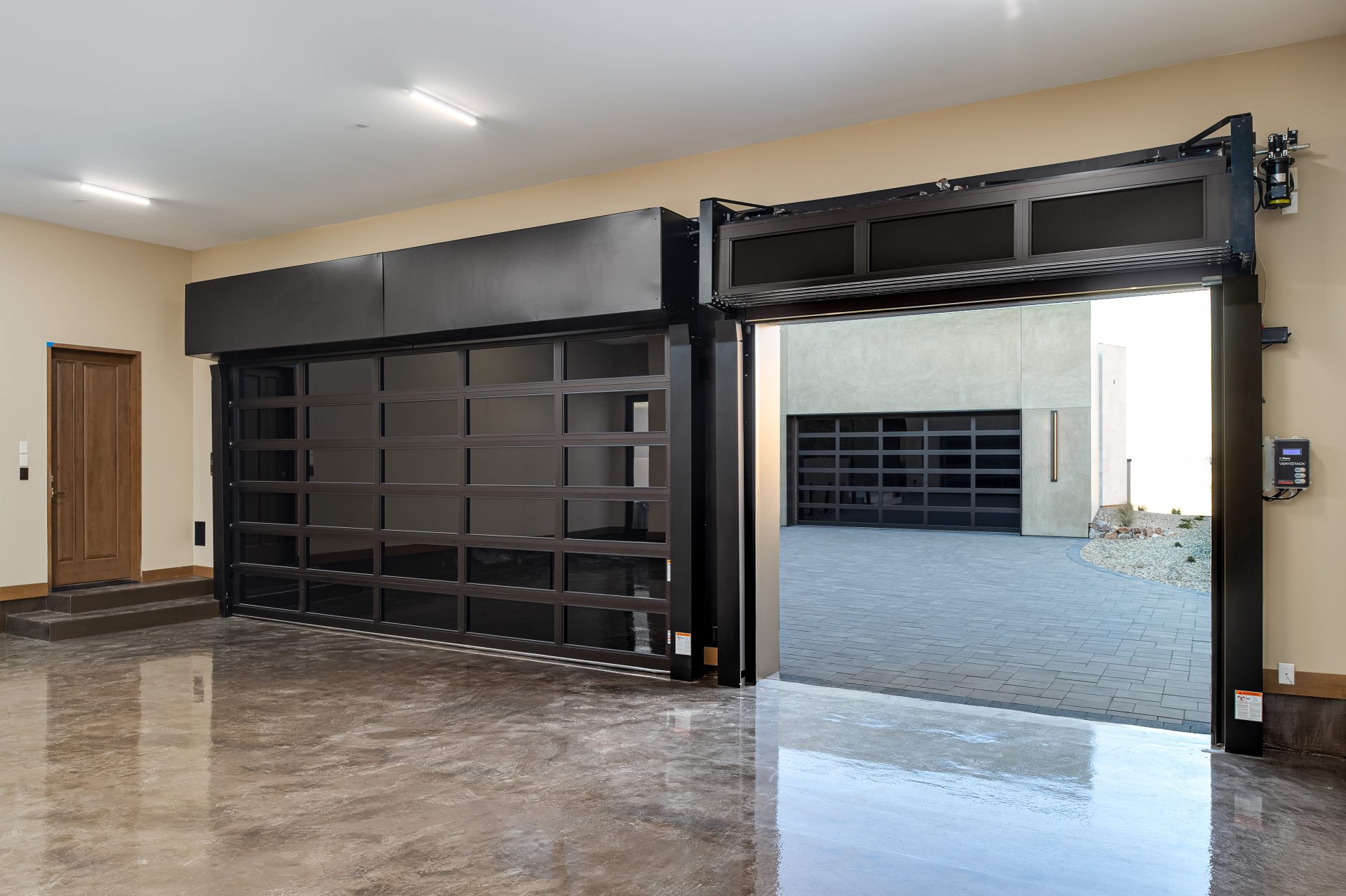 [1]
[1]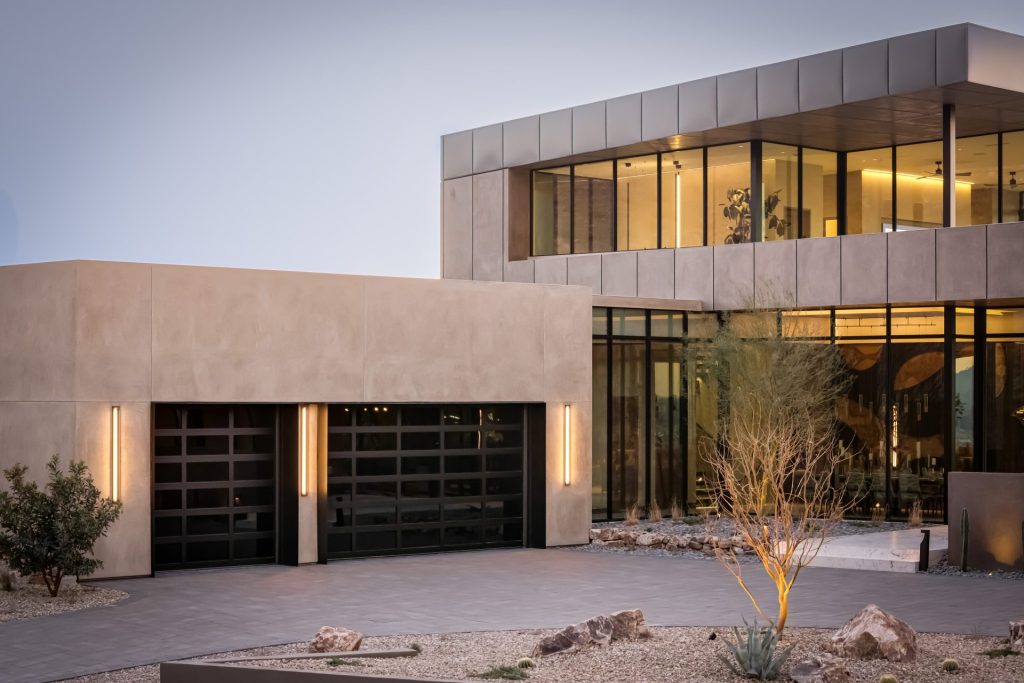 [2]
[2] [1]
[1]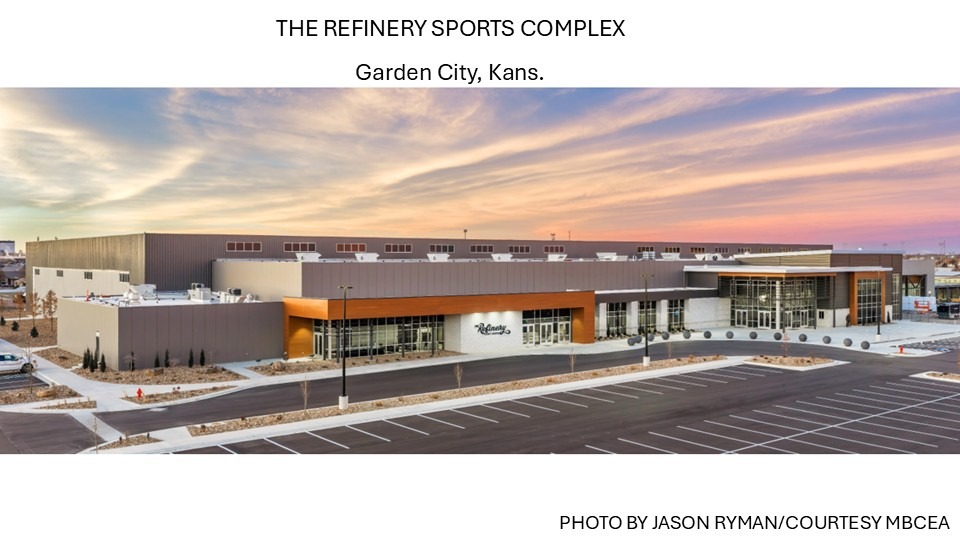 [2]
[2]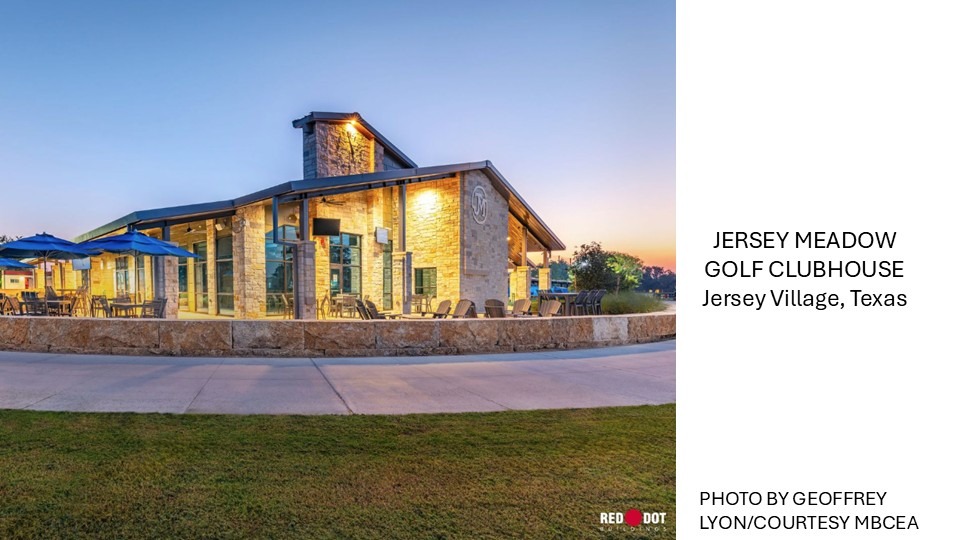 [3]
[3]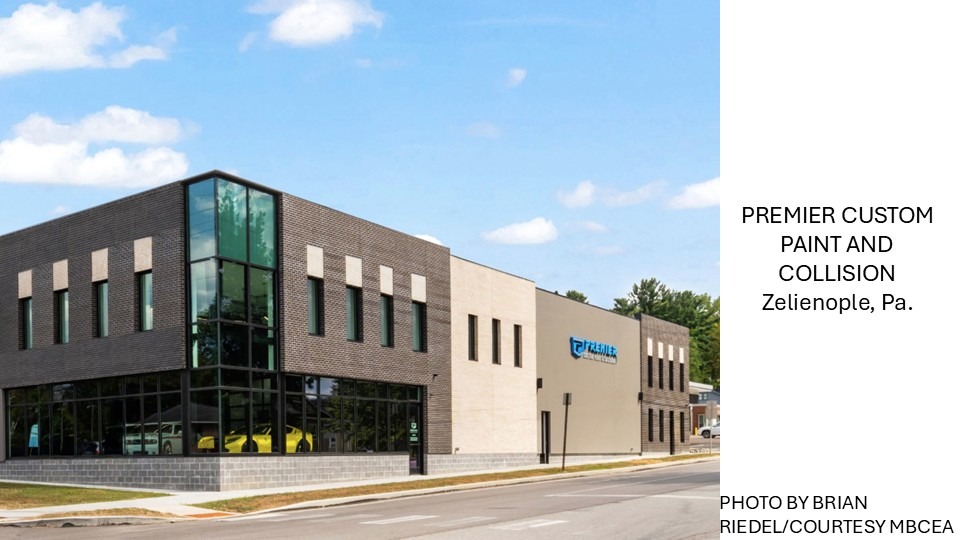 [4]
[4]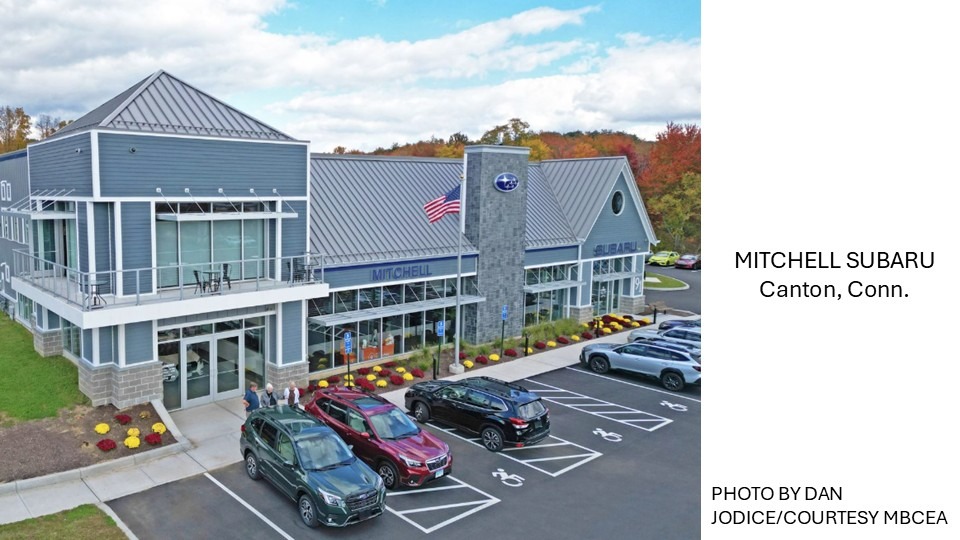 [5]
[5]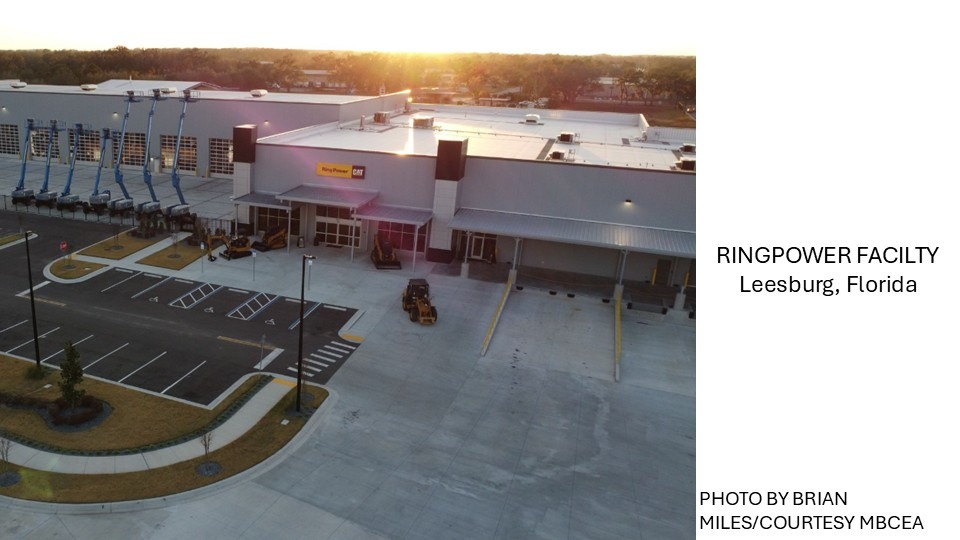 [6]
[6]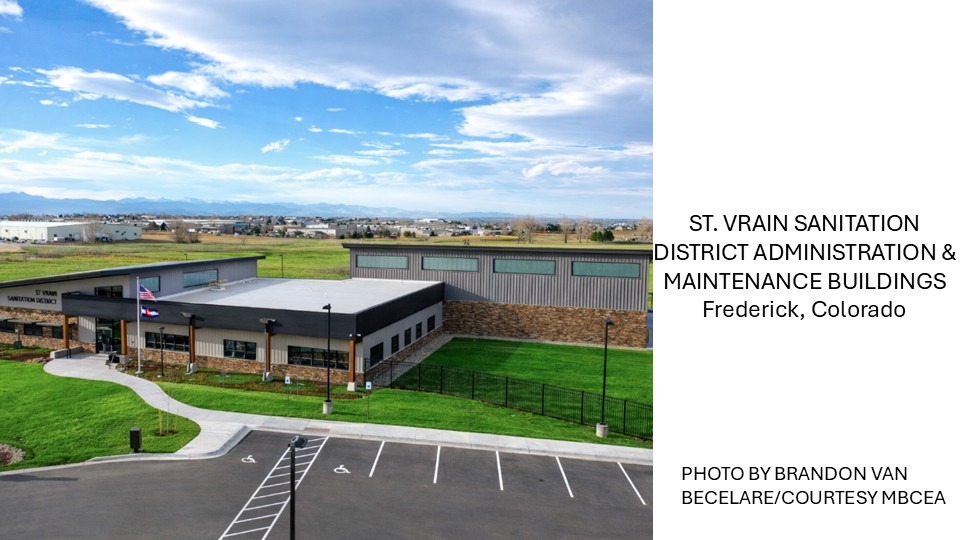 [7]
[7]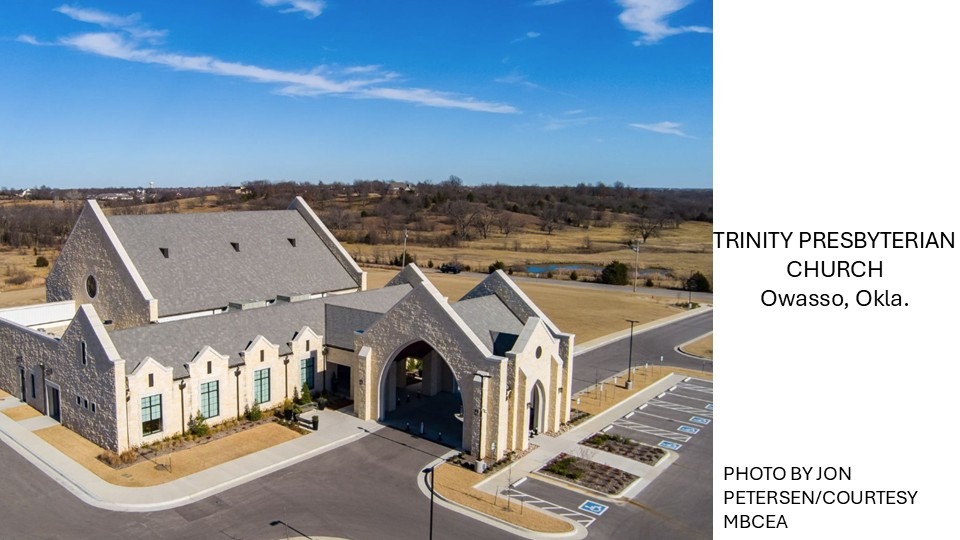 [8]
[8]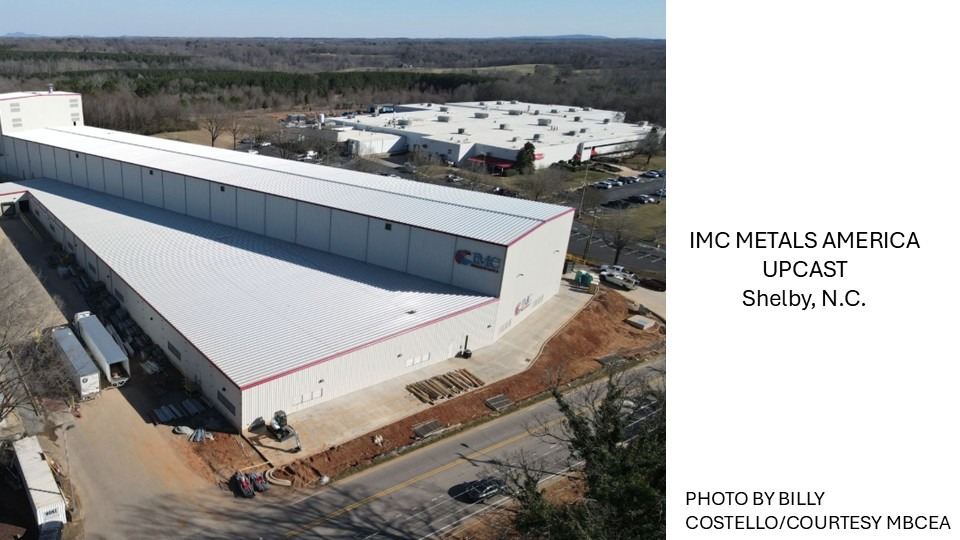 [9]
[9]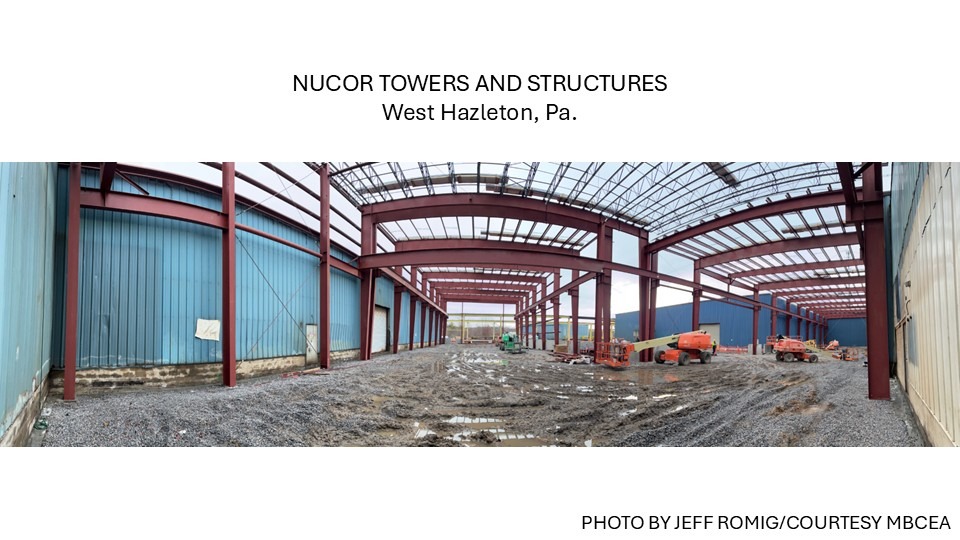 [10]
[10]