

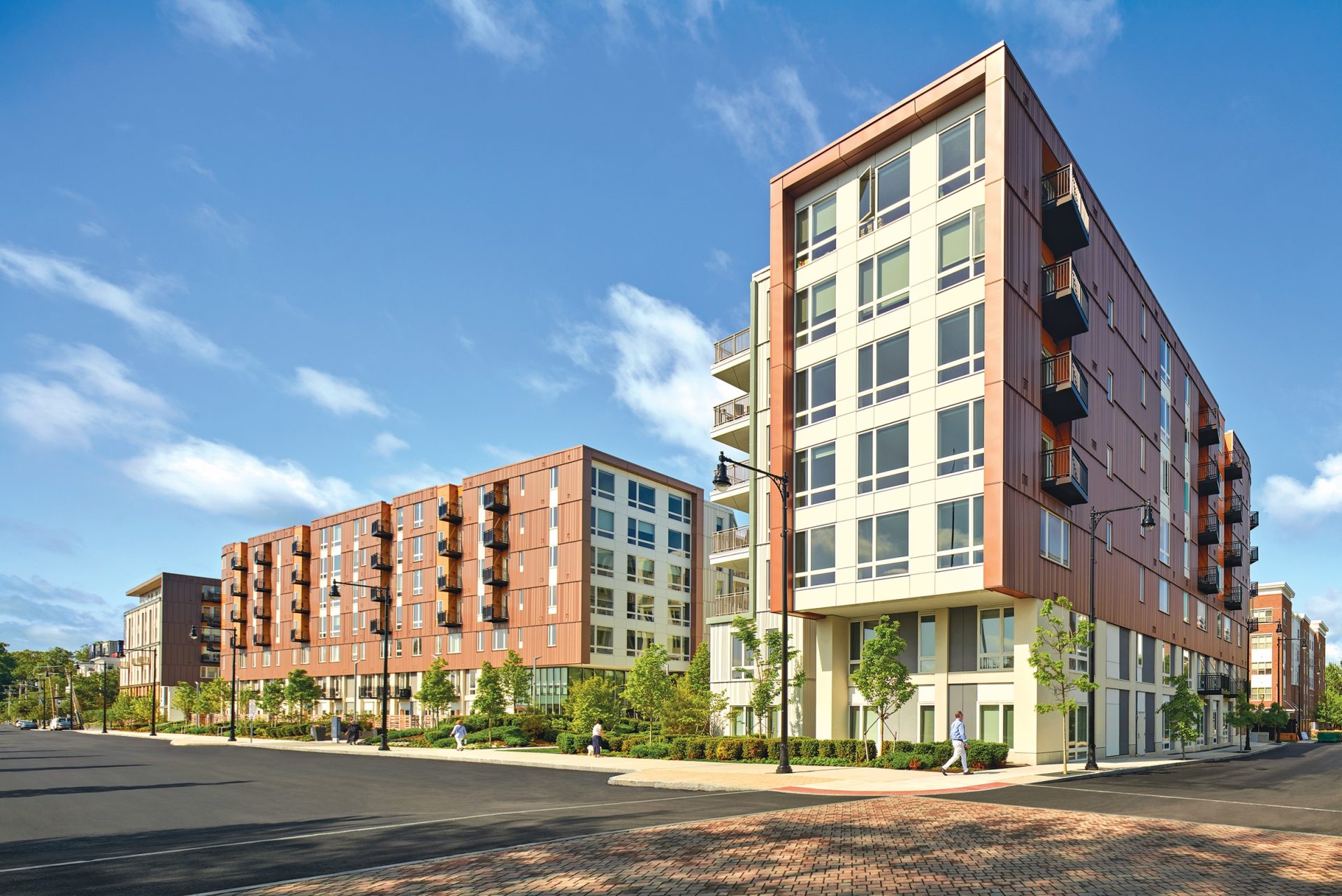
Photo ©Robert Benson/courtesy Exterior Designs Inc.
Over the last few decades, metal composite material (MCM) has become a cornerstone of modern facade design. MCM offers designs a balance of durability, performance, and aesthetics that few other cladding materials can achieve. For fabricators, MCM is not just a material; it is an opportunity to transform architectural intent into built reality. By bridging design vision with technical execution, fabricators play a critical role in ensuring these panels meet regulatory standards, sustainability goals, and project-specific performance demands.
Why architects and builders choose MCM
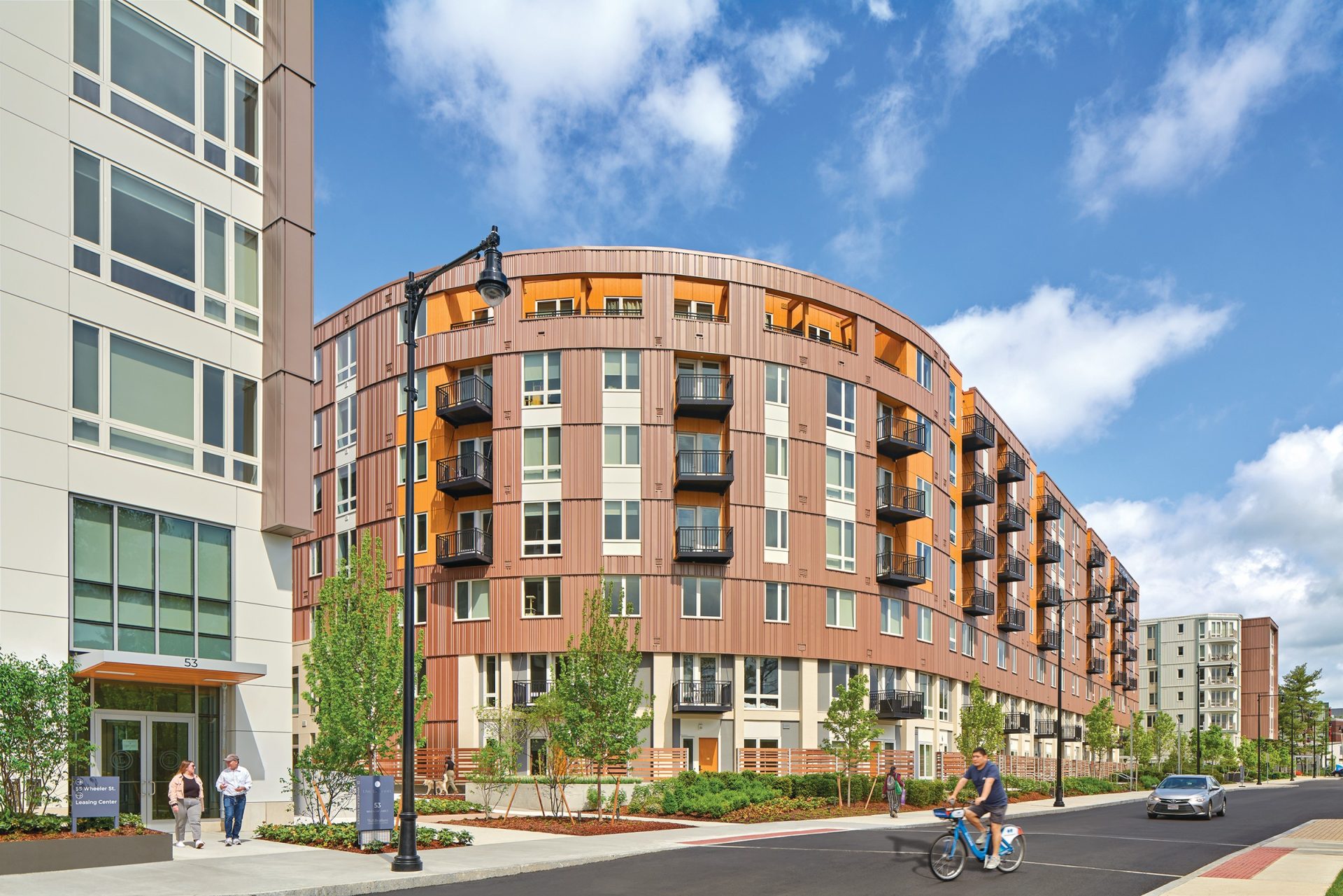
MCM is engineered to provide flexibility, cost efficiency, and visual impact. Some of the benefits include:
- Design freedom—Panels can be flat, curved, tapered, or dimensionally profiled to bring texture and form to a facade.
- Color and finish options—Fluoroethylene vinyl ether resin (FEVE)-based coatings allow gloss ranges from six to 70 and mimic natural finishes like wood, stone, or metal without added weight or maintenance.
- Lightweight yet strong—When a lighter weight is required, MCM achieves strength with less structural load, reducing framing requirements.
- Sustainability—MCM is recyclable, supports LEED objectives, and is compatible with continuous insulation (c.i.) strategies to meet energy codes.
- Economics—Lower material cost, reduced weight, and efficient installation contribute to competitive life cycle costs.
Safety and building code considerations
Fire performance is a defining factor in MCM selection. According to the International Building Code (IBC) 1406, MCM cores are regulated based on assembly testing. ASTM E84 ensures compliance with flame spread regulations. The National Fire Protection Association (NFPA) 285 (U.S.) and the Underwriter Laboratories of Canada (CAN/ULC) S134 are the gold standards for multi-story wall assembly fire tests. Fire-resistant (FR) core MCM remains the safe, code-compliant choice for exterior wall applications. Fabricators work closely with design teams and code consultants to ensure assemblies meet jurisdictional standards, eliminating surprises during permitting or inspection.
Fabrication and installation advantages
For fabricators, MCM offers unique technical benefits:
- Precision routing and folding—Computer numerical control (CNC) machining allows tight tolerances and complex geometries.
- Large panel sizes—Up to 127 x 508 mm (5 x 20 in.) sheets minimize joints, reducing visual breaks and potential water intrusion points.
- Ease of integration—Compatible with a wide variety of sub-framing, air/vapor barrier (AVB) systems, and rainscreen designs, streamlining field installation.
- Controlled assembly—Prefabrication in-shop reduces field errors, accelerates timelines, and improves consistency.
This precision fabrication ensures panels arrive on-site ready for fast and accurate installation—critical for today’s compressed construction schedules.
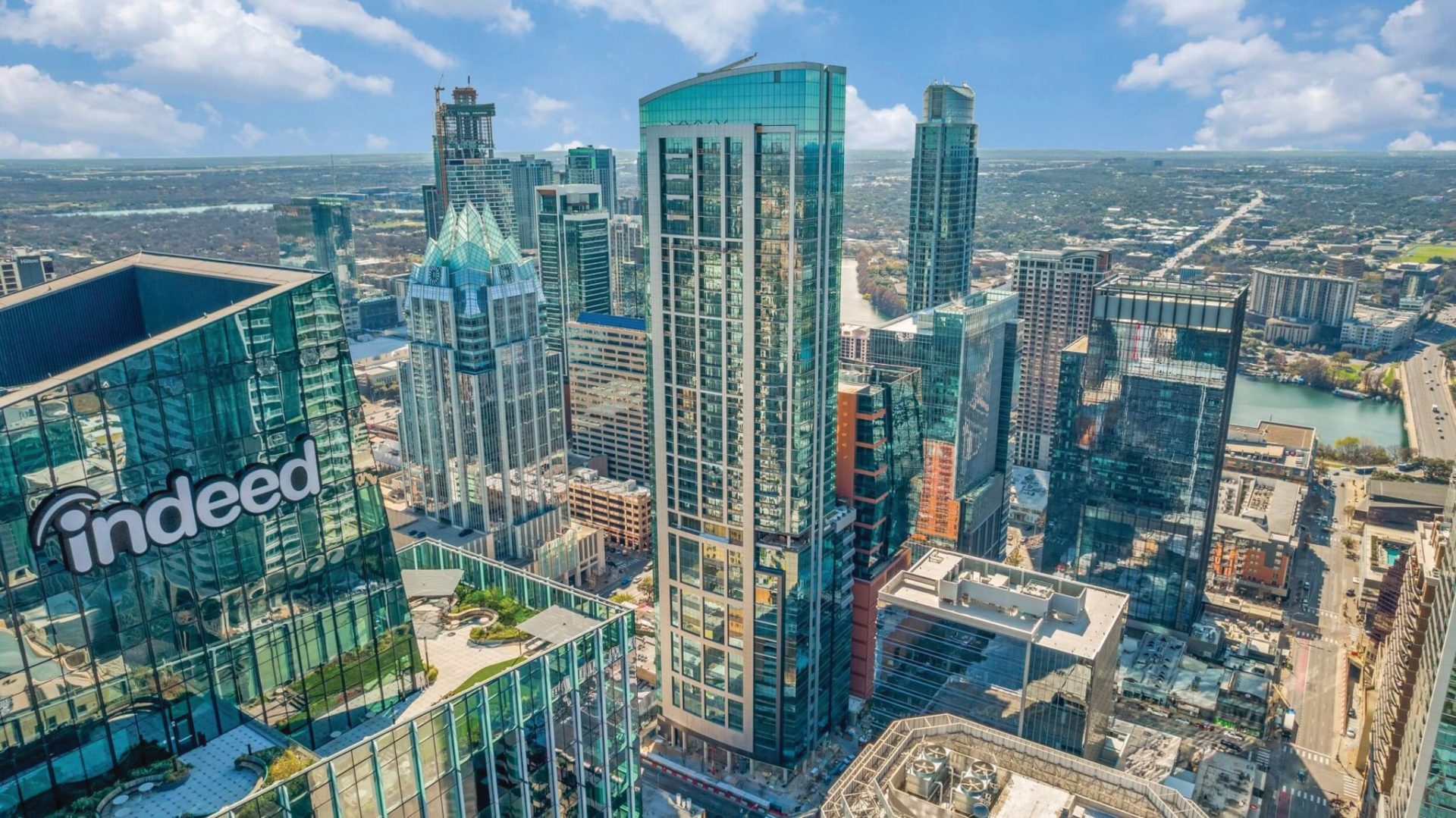
Photo courtesy 415 Colorado Ave and Ziegler Copper Architects
Aesthetics and architectural trends
The meaning of a facade has evolved from a passive skin into an active brand statement. Current trends driving MCM
usage include:
- Dynamic textures—Shifting from flat planes to dimensional panels (tapered, faceted, or embossed).
- Color contrast—Pairing metallics with bold accent colors for visual hierarchy.
- Mixed materials—Integrating MCM with high-pressure laminate (HPL), terracotta, and plate for texture-rich facades.
- Large format panels—Cleaner lines with fewer breaks for a more monolithic look.
- Adaptive reuse projects—Modernizing historic or industrial buildings with lightweight, cost-effective cladding.
Corporate branding
Companies create a distinct, unique, and unified brand for their properties using the many options available with MCM. Through material selection, color, finish, and geometry, MCM allows brands to visually communicate who they are before a customer ever walks through the door.

Photo courtesy CEI Materials
National brands often use MCM to achieve visual consistency across multiple locations, reinforcing recognition through color, reflectivity, and texture. The broad spectrum of luminescent metallics, custom corporate colors, and specialty coatings enables designers to match or reinterpret a brand’s palette with long-lasting performance.
Beyond color, MCM panels can be fabricated into signature design elements—curved entry portals, accent fins, or logo backdrops—that anchor brand presence and create a unified look across a portfolio of properties. Panel sizes, reveals, and finishes can all be tailored to reflect a brand’s tone, whether sleek and modern, bold and high-tech, or warm and approachable
Accessibility and sustainability
Beyond aesthetics, MCM supports accessibility and sustainability goals. In terms of accessibility, smooth, modular systems allow precise alignment with window and door systems, minimizing transitions and improving usability for all occupants. Many MCM manufacturers prioritize sustainability and use recycled aluminum and offer Environmental Product Declarations (EPDs) to support LEED, WELL, and other certifications. With finishes lasting 20 to 30 years or more, MCM is durable, reduces repaint cycles, and lowers environmental impact over a building’s life.
The fabricator’s role in project success
Fabricators are more than suppliers; they are technical partners. In the design, specification, and build process, fabricators’ roles in MCM projects can extend beyond providing materials. Supporting architects early with shop drawings, mockups, and material recommendations, they provide design assistance. Design flexibility and problem-solving can involve fabricators adapting standard MCM into unique shapes, tapers, or hybrid systems. Their role also ensures quality with barcode tracking, digital layouts, and in-plant quality control (QC) to prevent panel errors. Working with general contractors, installers, and manufacturers to balance design
with constructability.
MCM is more than a material—it is a bridge between vision and execution. With its unmatched blend of design freedom, performance, and sustainability, it continues to redefine facades worldwide. When paired with expert fabrication, MCM ensures projects not only meet today’s codes and trends but also stand the test of time.
Michael Hemmeke, CEI Materials’ project executive, brings more than 18 years of experience in the architectural metal panel industry and 13 years in the glass and glazing market. Ensuring project success with expertise and commitment, Hemmeke has also held positions at Dri-Design, Wolverine Enclosures, Glass Enterprise, and Calvin & Company.