

Last year at the American Institute of Architects (AIA) Conference on Architecture, the AIA membership committed to urgent and sustained action on climate change. A few months later, the AIA Board of Directors passed a resolution calling for revisions to AIA public policies and position statements and advocating for the Institute to engage its full membership, clients, lawmakers and communities in a multi-year education, practice and advocacy strategy to address the climate crisis.
The AIA is not unique in such commitments. In December at COP 25 in Madrid, 177 companies (representing 5.8 million employees and >$2.8 trillion in market capitalization) pledged to set ambitious emissions reduction targets, and in January, Larry Fink, the CEO of BlackRock Inc. (manager of >$7 trillion in assets) stated that the risks associated with the climate crisis will reshape finance and that the firm would avoid investments in companies that “present a high sustainability-related risk.”
The AIA’s newfound emphasis on the climate crisis is a welcome change after the organization had previously ceded leadership on sustainable building to organizations like the USGBC. This move has been applauded by many and anecdotally appears to be inspiring some young architects to reconsider the relevance of the AIA, becoming first-time members. However, it has not been without controversy, as some longtime members have expressed concern that the organization is reinventing itself as an activist organization pushing a trendy point-of-view while abandoning its traditional function of supporting the professional practice of architecture.
I would counter that the AIA has a long history of advocacy and activism for social good. Since its founding in 1857, the AIA has initiated or supported initiatives for public benefit, including the national city-planning movement, preservation of historic resources, health and life-safety codes and standards for buildings, accessible design standards, and more recently, diversity, equity and inclusion in the profession. The strong new commitment to addressing the climate crisis is in keeping with this tradition, defining the important leadership position of architects in designing solutions. This includes a focus on the design of sustainable, resilient and equitable communities and emphasis on member firm participation in the 2030 Commitment, as well as the development of new programs and resources to support architects in fighting climate change.
AIA Framework for Design Excellence
A key program coming out of the AIA resolution is the Framework for Design Excellence, an evolution of the Committee on the Environment (COTE) Top Ten Toolkit. As I have previously shared, the number of firms who are signatories to the AIA 2030 Commitment is unacceptably low (about 3% of U.S. firms), and the number of these signatory firms who follow through and report project performance is also lagging (about 45%). To incentivize participation, the AIA will be phasing in a requirement that all project award submissions must be accompanied by a summary of project performance using the framework, emphasizing and habituating consideration of sustainability and carbon emission reduction for all projects. The framework includes 10 components outlining design considerations for:
- Integration—Creation of a stakeholder-focused vision statement describing how the project embodies beauty and delight, and the integrated process used to achieve this.
- Equitable Communities—Location in walkable communities, support for human-powered transportation, and inclusion of community engagement and social equity initiatives.
- Ecology—Provision of habitat and biodiversity support through landscaping, dark sky compliance, bird collision deterrence and site acoustics.
- Water—Design for water use reduction, reuse strategies for process water, grey/black water and rainwater, and consideration of net zero water design.
- Economy—Plan for resourceful use of buildings and building materials, optimization of upfront and operational costs, and support for local economy and workforce.
- Energy—Employ goal setting and benchmarking, passive, climate-responsive design, energy modeling, incorporate on-site renewables and pursue net zero energy performance.
- Wellness—Support for health and wellness through active design, indoor environmental quality and biophilic design.
- Resources—Inclusion of material transparency, embodied carbon reduction and construction waste diversion.
- Change—Consideration of flexibility and adaptability, resilience and risk assessment and design for passive survivability.
- Discovery—Initiate post occupancy evaluation, sharing of lessons learned and strategies for occupant engagement on building operations.
COTE Super Spreadsheet
To support firms with their 2030 Commitment and Framework for Design Excellence reporting, and more importantly, to provide a resource to prompt early design considerations, a dedicated group of volunteers developed the COTE Super Spreadsheet. This free tool can be downloaded and used by design teams to plan and design qualitative and quantitative measures of sustainability on their projects from the pre-design phase all the way through post-occupancy evaluation and record the accomplishments. The user-friendly spreadsheet has an introduction tab for basic project information, tabs to record project specifics for each of the ten framework components, project summary and results tabs, as well as reference information.
New Standard of Care
The recent climate crisis resolution builds on 2018 changes to the AIA Code of Ethics that require members to “inform their clients of the potential environmental impacts or consequences ….” and discuss the environmental impacts of project decisions with clients. Just as architects apply best practices for quality, durability, health and safety, in addition to code compliance, incorporating sustainability and considering appropriate responses to the climate crisis should now be considered part of the professional standard of care.
Public, institutional and corporate building owners, and real estate investors are beginning to recognize sustainability, resilience and climate change-related risks similar to those articulated by Fink. Design firms that make the 2030 Commitment and embrace the AIA’s Framework for Design Excellence will be better positioned to help clients mitigate these risks, while meeting new ethical standards and increasing the competitiveness of their own businesses. I am grateful for the AIA’s new leadership, highlighting the power of good design to avert the climate crisis, and I encourage all architects to get on board.
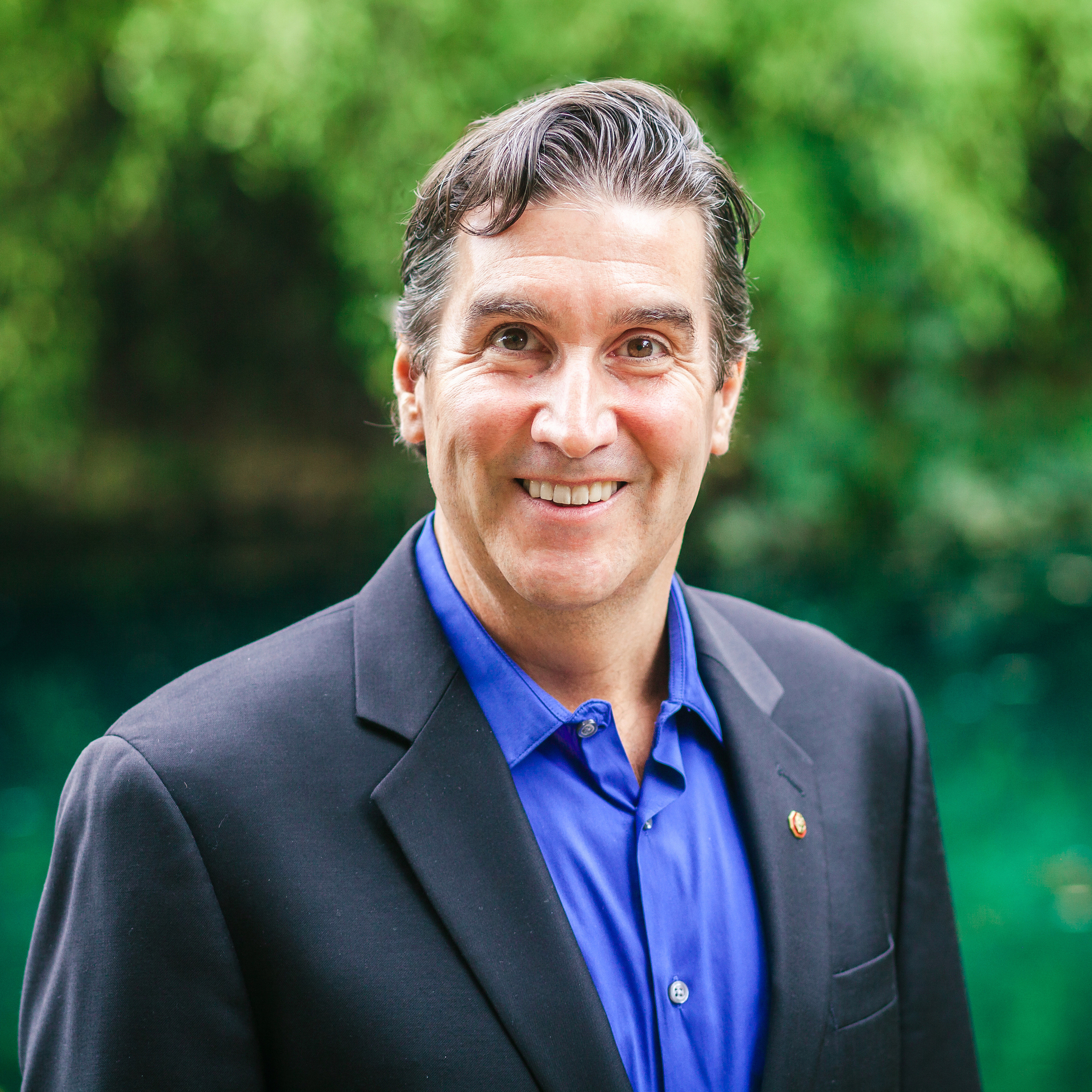
Alan Scott, FAIA, LEED Fellow, LEED AP BD+C, O+M, WELL AP, CEM, is an architect with over 30 years of experience in sustainable building design. He is a senior consultant with Intertek Building Science Solutions in Portland, Ore. To learn more, visit www.intertek.com/building/building-sciences/ and follow Scott on Twitter at @alanscott_faia.