

Photo ©Andrii Biletskyi/courtesy Getty Images
Record-shattering heatwaves have become a defining feature of the modern climate era. The past several summers have seen global high temperature records fall one after another, with nighttime lows that no longer bring relief and heat domes lingering for weeks. Climate scientists warn that extreme heat will be this century’s most lethal climate hazard, surpassing hurricanes, floods, and wildfires in its toll on human health.
Maintaining safe indoor conditions during extreme temperatures, now called thermal safety, is as critical as structural soundness. This recognition is echoed in the latest LEED v5, which introduces credits directly addressing thermal safety, extreme heat adaptation, and protection of workers during construction. Together, these developments underscore a pressing reality: buildings must serve not only as protection from storms but also as a critical defense against extreme heat.
Heat as a building risk multiplier
Extreme heat magnifies nearly every vulnerability in the built environment. Power grids falter just when demand for air conditioning peaks. Blackouts during heatwaves can turn sealed, air-conditioned buildings into life-threatening environments within hours. In some regions, droughts reduce the cooling water needed for power plants, compounding outages. Urban heat islands intensify outdoor conditions, while poor indoor air quality (IAQ) from ozone and wildfire smoke adds another layer of risk.
The conductive elements in the enclosures of metal buildings can make them particularly susceptible. Without careful design, they can absorb and transmit solar heat quickly. Yet these same characteristics, reflective finishes, prefabricated insulated systems, and integrated photovoltaics (PVs), make metal systems powerful tools for thermal resilience when designed thoughtfully.
From passive survivability to thermal safety
The design conversation has evolved from passive survivability, keeping a building livable for a few days without power, to thermal safety, now codified in LEED v5’s Resilient Spaces (EQc4) credit. Projects must demonstrate that certain spaces can maintain safe indoor temperatures during extreme heat or cold events, even in blackout conditions.
Key building-level strategies include:
- High-albedo roofing and cladding: Reflective metal panels or factory-applied coatings reduce solar absorption and slow heat gain.
- High-performance building enclosures: Adopting “passive house” principles like careful air sealing, enhanced continuous insulation (c.i.), and elimination of thermal bridges provides energy efficiency and resilience, keeping heat out while moderating interior conditions.
- Exterior shading: Overhangs, louvers, and light shelves on south and west facades cut solar exposure during peak heat. Metal is an ideal material for these shading elements.
- Operable windows and natural ventilation: Designed airflow paths allow passive cooling when conditions are favorable, especially important for night flushing with cooler air during a power outage.
- Thermal zoning: Locating refuge spaces on shaded or lower floors, with enhanced insulation, provides safe fallback areas during outages.
By combining these measures, metal buildings can achieve extended periods of safe indoor conditions, protecting occupants when systems fail.
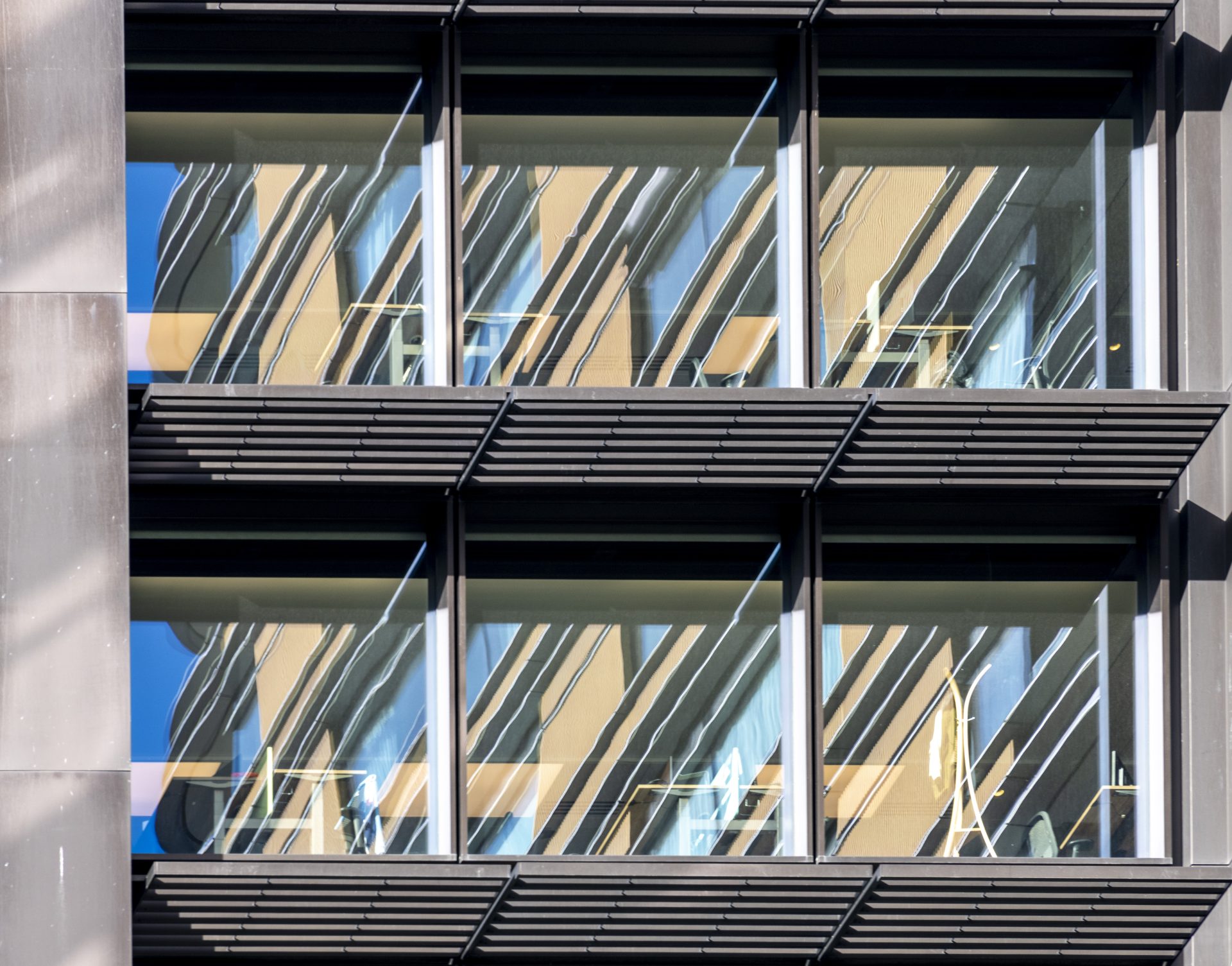
Photo ©Howard Kingsnorth/courtesy Getty Images
Integrating renewables and storage
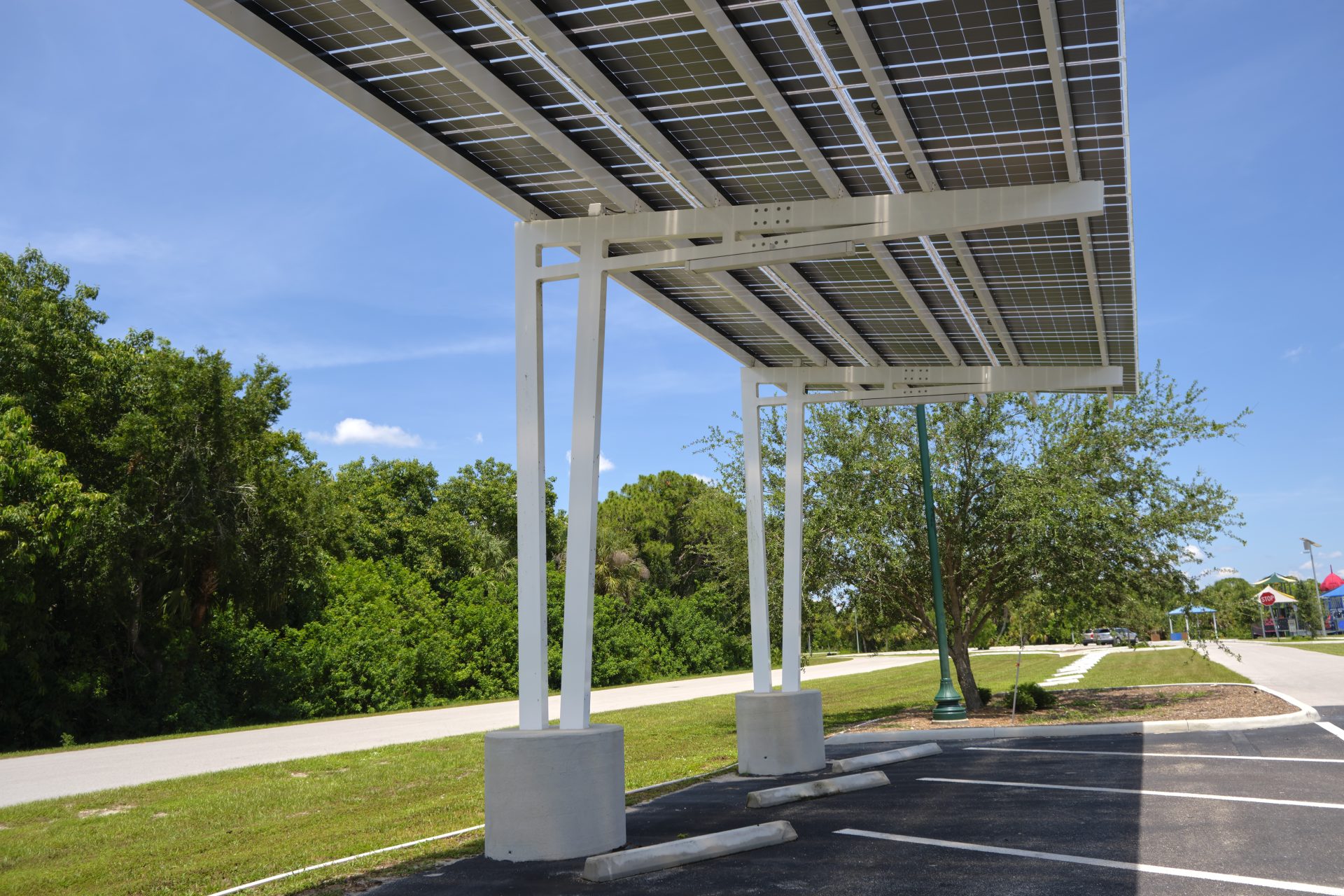
Cooling demand cannot be eliminated, but its impact can be managed. On-site renewable energy generation and storage reduce reliance on strained grids and help maintain critical cooling during outages. PV arrays, whether rooftop or incorporated into metal canopies, offset the climate impact of air conditioning while providing backup power for ventilation fans or heat pumps.
Battery storage, increasingly paired with solar, ensures that at least critical thermal safety zones remain habitable even when the grid goes dark. This dual function is a resilience and equity strategy for high-occupancy facilities such as schools, community centers, and affordable housing.
Site-scale cooling: targeted, not overstated
Reducing urban heat islands remains important, but the site-scale role of reflective paving should be seen as supportive, not primary. Reflective coatings and lighter aggregates can lower pavement surface temperatures by -12.2 to -9.4 C (10 to 15 F), modestly improving local comfort and reducing re-radiated heat into buildings. However, studies show mixed results on neighborhood-scale air temperatures, and glare or reflected heat can create trade-offs.
The most effective interventions remain shade trees, green infrastructure, and PV-topped canopies, especially in expansive parking areas typical of office parks and industrial campuses. These provide cooling, generate renewable energy, and enhance site comfort simultaneously.
Protecting workers during construction
Thermal resilience begins before a building opens its doors. LEED v5’s Construction Management (EQp1) prerequisite requires contractors to safeguard workers against extreme heat with shade, hydration, rest protocols, and monitoring for heat stress. This is more than compliance; it is an ethical imperative. Construction workers, many from vulnerable communities, are on the frontlines of climate risk. Protecting them aligns resilience with equity and ensures that adaptation strategies do not come at the expense of those most vulnerable.
Innovations in thermal-resilient materials
Emerging technologies are rapidly expanding options for designers:
- Super-white radiative paint: Developed by Purdue University, this paint reflects 98.1 percent of solar radiation and radiates heat into space, cooling surfaces below ambient temperature. While still in pre-commercial development, on roofs or metal cladding, it could eventually deliver cooling power equivalent to a 10-kW air conditioner over a 92.9 m2 (1,000 sf) area.
- Next-generation reflective coatings: Adaptable to metal roofing and walls, these finishes combine high reflectivity with durability, offering practical paths to lower surface and interior temperatures.
- Phase-change materials (PCMs): Integrated into panels or ceilings, these materials absorb and release heat to smooth indoor temperature swings.
- PV-integrated metal panels: Provide envelope protection and renewable energy, combining resilience and decarbonization in a single system.
The opportunity to adopt these technologies at scale is significant for metal buildings, which already rely on factory-finished systems.
Equity and community resilience
Resilience is inseparable from equity. Low-income households are disproportionately exposed to extreme heat, often lacking cooling systems or living in neighborhoods dominated by heat-absorbing surfaces. Schools, clinics, and community centers, many built with cost-effective metal systems, can serve as safe havens if designed for thermal safety. Incorporating reflective roofs, insulated panels, shaded entrances, and on-site renewables ensures these facilities can operate as community anchors when homes become unsafe during heatwaves.
Looking ahead: designing for a hotter century
Designing for thermal resilience is no longer a specialty pursuit. It is a baseline requirement for protecting health, ensuring continuity, and reducing emissions. LEED v5 provides structure, but responsibility extends beyond credits or checklists. Architects, engineers, and builders, especially those working with metal systems, must adopt a layered, integrated strategy: reflective and insulated envelopes, shaded and cooled sites, renewable energy with storage, worker protections, and equity-focused design.
The lesson of recent summers is clear: extreme heat is here to stay, and its risks are accelerating. Every project designed today will face tomorrow’s hotter climate. The choices
made in materials, shading, and energy systems will determine whether buildings remain safe havens or become liabilities.
Thermal resilience is about more than comfort; it is about survival, equity, and preparing the built environment for the century ahead.
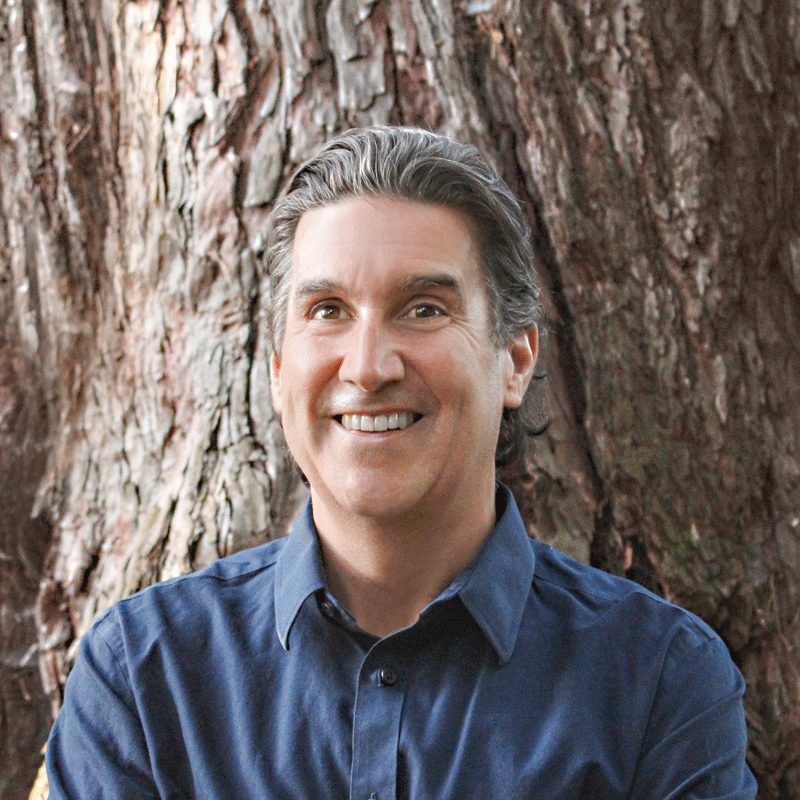
Alan Scott, FAIA, LEED Fellow, LEED AP BD+C, O+M, WELL AP, CEM, is an architect and consultant with more than 36 years of experience in sustainable building design. He is the director of sustainability with Intertek Building Science Solutions in Portland, Ore. To learn more, follow him on LinkedIn at www.linkedin.com/in/alanscottfaia/.