

Following three consecutive months of signs of greater stability in design activity, the Architecture Billings Index fell, dropping more than six points. As a leading economic indicator of construction activity, the ABI shows an approximate nine to 12 month lag time between architecture billings and construction spending. The American Institute of Architects, Washington, D.C., reported the September ABI rating was 41.4, down sharply from the 47.6 mark in August (any score above 50 indicates an increase in billings). This is also the first time this year that the institutional sector has fallen below the 50 mark. “With all of the anxiety and uncertainty in the credit market, the conditions are likely to get worse before they get better,” said AIA Chief Economist Kermit Baker, PhD, Hon. AIA. “Many architects are reporting that clients are delaying or canceling projects as a result of problems with project financing.” Regional averages included Midwest 45.2, West 45, Northeast 44.2, South 44.1; the sector index breakdown was mixed practice 45.9, institutional 45.6, commercial/industrial 42.1 and multifamily residential 40.3; and project inquiries index was 51.
ABI takes a dip
This Month’s Features
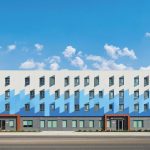
Forecasting the Future of Color
While megatrends in coatings and paints do not change overnight, their subtle evolutions reveal where innovation is headed.

Adhesive Innovation
No longer substitutes for sealants or screws, advanced PSA tapes have emerged as high-performance bonding systems that enhance structural integrity and design flexibility.

Key Design Factors When Employing IMPs
Facing profile choices for IMPs include flat, minor ribs, v-grooves, deeper ribs, and striated profiles.

Sealants for Metal Building Systems
Sealants may seem minor, but they are crucial for metal buildings, ensuring moisture protection and thermal integrity for lasting performance.