

Most professional practices in the design and construction industry will experience an agonizingly slow comeback after the poor and often painful business conditions of the past year, according to a report in the industry journal, DesignIntelligence. Signs point to a sluggish recovery that will not take the industry back to what had been considered normal in the mid-2000s. “At the macro level, the private capital that’s needed to support growth and urban health will not fall into place anytime soon,” notes DesignIntelligence. Instead, according to the report’s co-authors, James P. Cramer and Jane Gaboury, a new normal will unfold, and with it plenty of pesky problems for architecture and design firm leaders. There will be no quick recovery. However, there is hope, they say. “2010: A Year of Convalescence,” published in the January/February issue of DesignIntelligence, points to 25 significant trends transforming architecture and design that can offer sustenance during a painfully slow recovery. Among the trends are opportunities for strategic optimists who can translate recent developments into action plans, according to the authors:
Sustainability drives design. Architects, designers, and the public in general have embraced the notion that green design is an integral aspect of good design. New strategic models spell game change. Banking restrictions and cash-strapped clients are prompting firms to seek diversified and creative business strategies. Some of these tactics include the addition of services, specialization, brand differentiation, and a more discerning eye on go/no-go decisions. Collaboration builds value. Collaboration between architectural firms and among other disciplines involved in the built environment is escalating. A focus on creating strategic collaborative relationships will serve firms well, allowing them to expand into additional geographic and market territories.
Metrics matter more than ever. The ability to measure and verify systems performance will give firms a leg up. The digital revolution provides designers with ways to be far more productive than ever before. Evidence-based design has increasing impact. A need for safety and a burgeoning demand for accountability have propelled evidence-based design in the health care sector. With this taste of success, designers will increasingly seek and be asked to seek data on the impact of design in other milieus. For more information on the January/February issue, visit www.greenway.us/bookstore.
25 trends transforming architecture and design
This Month’s Features

Sealants for Metal Building Systems
Sealants may seem minor, but they are crucial for metal buildings, ensuring moisture protection and thermal integrity for lasting performance.

Getting Started with IMPs
As construction costs rise, insulated metal panels (IMPs) offer cost-effective solutions with superior thermal and moisture protection.
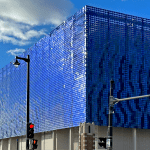
Kinetic Facades Rise on University Campuses
Unlike conventional cladding, these systems rely on natural forces to animate buildings, providing design functionality and reducing environmental impact while producing striking visual effects.

Case Engineering: Strength, Steel, and Structural Appeal
Working with a diverse range of industries, Case Engineering encounters opportunities to use innovative metal solutions.