

HVAC software solutions provider Optimum Energy, LLC has announced that energy savings resulting from the use of its OptimumHVAC software can contribute to the achievement of 27 Energy and Atmosphere (EA) credits within the latest version of the LEED green building certification program. OptimumHVAC also can help increase ENERGY STAR scores, one measurement used to earn LEED points. “We applaud the increased emphasis on energy efficiency and ongoing performance measurement announced with LEED 2009,” said Nathan Rothman, founder and CEO, Optimum Energy. “Improvements in HVAC energy efficiency play a vital role in helping commercial facilities reduce their environmental footprint and operating costs, and I’m proud that our products contribute to more than 25 percent of the points needed to achieve LEED certification. Not only can we improve HVAC energy efficiency up to 60 percent, but continuous optimization and measurement of HVAC plant performance helps ensure energy savings persist.” A fact sheet is available at www.optimumenergyhvac.com/LEED_Facts.pdf.
HVAC software supports LEED
This Month’s Features
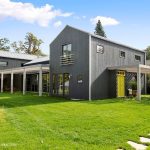
Education, advocacy, and metal building excellence
Metal building systems extend far beyond the basic, box-like structures that many architects may still associate with them. Today, they support complex designs, varied...
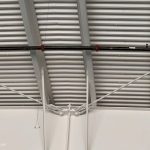
Bracing for the future
In metal building design, owners want to know the cost and delivery. Architects think about openings, elevations, space planning, and how the building will...
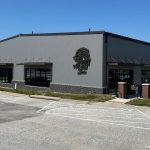
Champions Run
Recognizing the growing popularity of pickleball, Champions Run Golf Course in Omaha, Neb., developed a new year-round facility designed to provide an inviting environment...
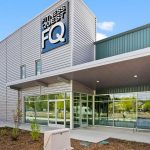
From basic shelter to building blocks with infinite possibilities
When 13 metal building system manufacturers came together 70 years ago as the founding members of the Metal Building Manufacturers Association (MBMA), they did...
Read the latest issue

September 2026