

Following three consecutive months of signs of greater stability in design activity, the Architecture Billings Index fell, dropping more than six points. As a leading economic indicator of construction activity, the ABI shows an approximate nine to 12 month lag time between architecture billings and construction spending. The American Institute of Architects, Washington, D.C., reported the September ABI rating was 41.4, down sharply from the 47.6 mark in August (any score above 50 indicates an increase in billings). This is also the first time this year that the institutional sector has fallen below the 50 mark. “With all of the anxiety and uncertainty in the credit market, the conditions are likely to get worse before they get better,” said AIA Chief Economist Kermit Baker, PhD, Hon. AIA. “Many architects are reporting that clients are delaying or canceling projects as a result of problems with project financing.” Regional averages included Midwest 45.2, West 45, Northeast 44.2, South 44.1; the sector index breakdown was mixed practice 45.9, institutional 45.6, commercial/industrial 42.1 and multifamily residential 40.3; and project inquiries index was 51.
ABI takes a dip
This Month’s Features

Aviation and automotive architecture with EMPAD Architecture + Design
EMPAD Architecture + Design is a 23-year-old full-service firm based in Florida that has worked across a wide array of sectors, from commercial to...

An all-metal experience for architects at METALCON 2026
Architects and designers heading to METALCON 2026 will find more than a traditional tradeshow. For three days, metal takes center stage.
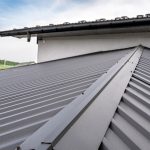
Where metal meets metal: integrating caulks and sealants into design
They are integral to managing movement, controlling moisture, supporting energy efficiency, UV/weather resistance, adhesion, and preserving aesthetics.
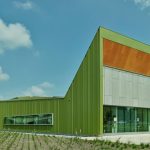
Metal walls beyond gray: designing
with color, light, and place
with color, light, and place
Neutrals are a versatile design option that architects and specifiers often veer towards when creating designs that integrate seamlessly with their environments.
Read the latest issue
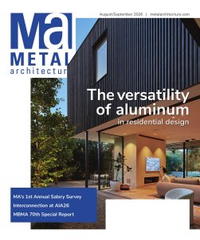
September 2026