

The American Institute of Architects, Washington, D.C., released the results of its 2008 AIA Compensation Survey, and the findings show a 6 percent annual increase in average compensation for architecture positions between 2005 and 2008. It is believed this increase is the result of the expansion of nonresidential construction before the recent downturn in construction activity. This marked the strongest period of growth since AIA began collecting compensation information in 1990. The survey also noted that compensation gains for architectural staff positions have significantly outpaced compensation gains in the broader economy in recent years. Architect positions saw a 30 percent increase in compensation between 2002 and 2008, more than half as much as the gains for the private workforce or for employees at professional and business services firms as measured by U.S. Department of Labor information. “Compensation gains were fastest for mid-range staff architect and designer positions,” said AIA Chief Economist Kermit Baker, Ph.D., Hon. AIA. “Part of this is based on the heavy demand for architectural services in recent years, which helped drive up salaries. ”The complete 2008 AIA Compensation Survey is available for purchase through the AIA Bookstore. In the interest of sustainability, the report is available in PDF format only this year. The full, 152-page report costs $195 for AIA members and $249 for nonmembers. Nine regional reports are available for $75 each for AIA members and $125 for nonmembers. Visit www.aia.org.
Compensation for architects grows
This Month’s Features

Aviation and automotive architecture with EMPAD Architecture + Design
EMPAD Architecture + Design is a 23-year-old full-service firm based in Florida that has worked across a wide array of sectors, from commercial to...

An all-metal experience for architects at METALCON 2026
Architects and designers heading to METALCON 2026 will find more than a traditional tradeshow. For three days, metal takes center stage.
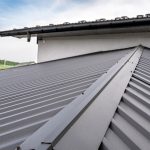
Where metal meets metal: integrating caulks and sealants into design
They are integral to managing movement, controlling moisture, supporting energy efficiency, UV/weather resistance, adhesion, and preserving aesthetics.
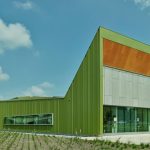
Metal walls beyond gray: designing
with color, light, and place
with color, light, and place
Neutrals are a versatile design option that architects and specifiers often veer towards when creating designs that integrate seamlessly with their environments.
Read the latest issue

September 2026