

Following consecutive months with record low scores, the Architecture Billings Index moved up only very modestly, signifying that the design industry remains mired in a steep downturn. As a leading economic indicator of construction activity, the index reflects the approximate nine- to 12-month lag time between architecture billings and construction spending. The AIA reported the December 2008 ABI rating was 36.4, up from the 34.7 mark in November 2008. Any score above 50 indicates an increase in billings. The inquiries for new projects score was 37.7. “The inability to get financing for construction projects is a key reason that business conditions continue to be so poor at design firms,” said AIA Chief Economist Kermit Baker. “It will be important to see what the proposed economic stimulus package includes that is geared toward the construction industry and how quickly developers who have had to put projects on hold can get them moving again.” Key December 2008 highlights include:
• Regional averages: West (35.3), South (35.3), Midwest (35.5), Northeast (34.4)
• Sector index breakdown: mixed practice (45.1), institutional (39.3), multifamily residential (30.0), commercial/industrial (28.1)
• Project inquiries index: 37.7 Meanwhile, the AIA’s semi-annual Consensus Construction Forecast, a survey of the nation’s leading construction forecasters, predicts a decline in nonresidential construction activity, with the commercial sector to be hardest hit. As the overall U.S. economy continues to struggle, nonresidential construction spending is expected to decrease by 11 percent in 2009 in inflation adjusted terms. Commercial projects, including office buildings and retail establishments, will see the most significant decrease in activity. On the positive side, prices have dropped for key construction commodities. “As profits for businesses have fallen and the ability to get credit to finance projects has become far more difficult, construction plans have been put on hold or canceled outright in recent months,” Baker said. “This is not expected to turn around anytime soon, and it’s likely to get worse before it gets better. “The downturn in nonresidential activity has helped stabilize construction costs. For example, prices for steel, gypsum products, lumber and cement have all come down recently, which makes taking on projects more attractive to developers.”
Market Segment Consensus Growth Forecasts Commercial/industrial 2009 / 2010 Hotels -20.2% -12.2% Retail -19.2% -6.6% Office buildings -17.5% -11.1% Industrial facilities -11.2% -8.4% Institutional 2009 2010 Religious -9.4% 1.4% Education -7.4% -1.9% Amusement / recreation -5.9% 1.0% Health care facilities -3.6% -1.9% Public safety -3.5% -1.9%
Forecast remains gloomy (February 2009)
This Month’s Features
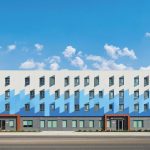
Forecasting the Future of Color
While megatrends in coatings and paints do not change overnight, their subtle evolutions reveal where innovation is headed.

Adhesive Innovation
No longer substitutes for sealants or screws, advanced PSA tapes have emerged as high-performance bonding systems that enhance structural integrity and design flexibility.
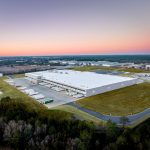
Key Design Factors When Employing IMPs
Facing profile choices for IMPs include flat, minor ribs, v-grooves, deeper ribs, and striated profiles.

Sealants for Metal Building Systems
Sealants may seem minor, but they are crucial for metal buildings, ensuring moisture protection and thermal integrity for lasting performance.
Read the latest issue
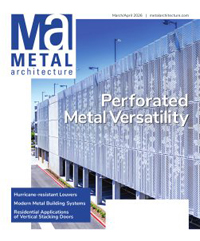
March/April 2026