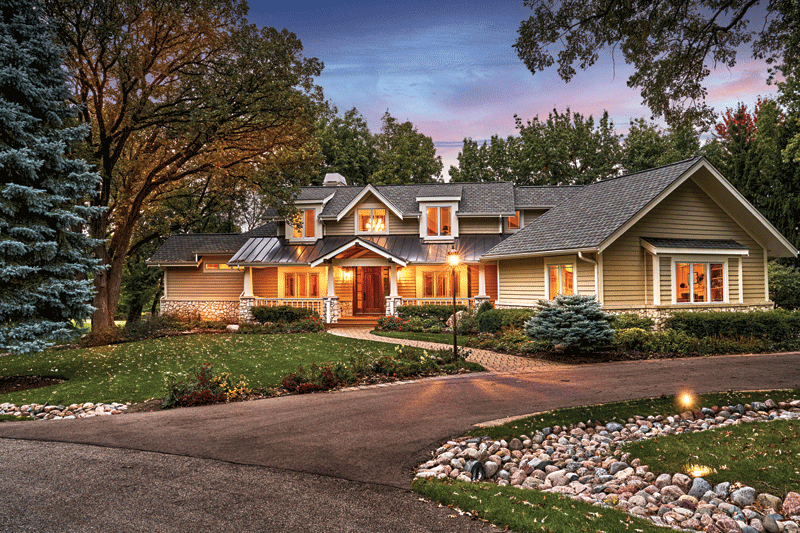
Extreme weather1 events have been increasing in frequency and intensity as the climate across the globe continues to rapidly evolve, meaning that now, more than ever, buildings must withstand tremendous environmental pressure. From wildfires to intense winds and extreme rainfall, buildings need to be able to adapt to these weather conditions, whether they are newly constructed or existing dwellings.
Healthy and durable homes begin with how they are built from the inside out while ensuring they are designed for the climate they are in. Each of the interior and exterior building solution should work together to act as a barrier between people and the environment. In fact, when selecting building materials with extreme weather in mind, durability is a top priority2 for both consumers (58 percent) and professionals (58 percent).
When it comes time to select exterior building materials, many consider the color of the siding or the shingle style that will give them the most curb appeal in the neighborhood. However, what’s underneath the roofing and siding material is another crucial factor to consider. With challenging weather conditions, there is a stronger need for more durable roof underlayment and housewrap in the industry. Choosing the right roof underlayment and housewrap for your project is essential to protecting all building occupants and assets. The proper use of roof underlayment and housewrap will also protect families from environmental events such as hurricanes, snowstorms, and wind-driven rain.
Energy efficiency
Beyond protecting building occupants, housewraps can reduce heating and cooling costs through a systems-based approach that integrates them with other building materials. This means focusing on how all selected building products, inside and out, work together as a cohesive system rather than on their independent performance. Choosing products that function together helps lower energy consumption for heating and cooling, contributing to a smaller overall carbon footprint.
Additionally, some underlayments and housewraps have specific technologies, such as UV resistance or insulating properties, to further increase energy savings. When used alongside solar-reflective shingles, insulated vinyl plank siding, and solar shingles, building owners can maximize their structure’s performance.
The importance of materials
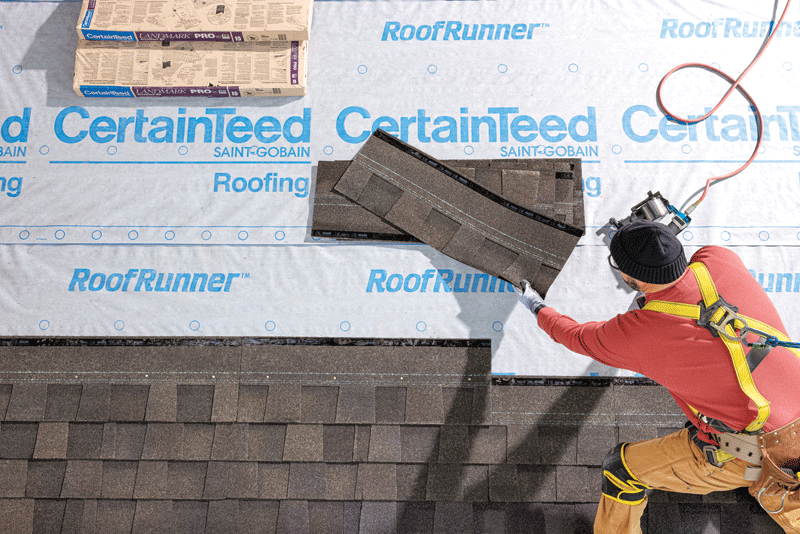
Underlayments and housewraps are typically installed beneath primary roofing and siding materials to provide additional protection and moisture management for the building envelope. If these materials are not used before installing roofing or siding during construction, the building is at a much higher risk of water penetration, mold growth, weather damage, material decay due to rot, structural damage, a shortened lifespan of the other building materials, and decreased energy efficiency. Underlayments and housewraps should be placed on top of plywood sheathing or Oriented Strand Board (OSB) immediately after installation to limit exposure to environmental elements.
Selecting materials
When selecting an underlayment or housewrap, many variables should be considered, such as climate, location, overall building use, and building codes. Key qualities such as moisture management, weather resistance, durability, strength, ease of installation, and compatibility with other materials are also important.
Roofing underlayments can be felt, synthetic, or self-adhered, each with distinct characteristics and advantages depending on the project’s requirements:
Felt
The most traditional roofing underlayment, also known as “tar paper,” with asphalt embedded.
Synthetic
Made from polyethylene or polypropylene materials, this underlayment offers enhanced durability, tear resistance, and water resistance compared to felt.
Self-adhered
A “peel-and-stick” underlayment composed of a rubberized asphalt compound, or a butyl adhesive laminated to a protective membrane. It provides superior waterproofing and self-sealing properties, forming tight seals around penetrations.
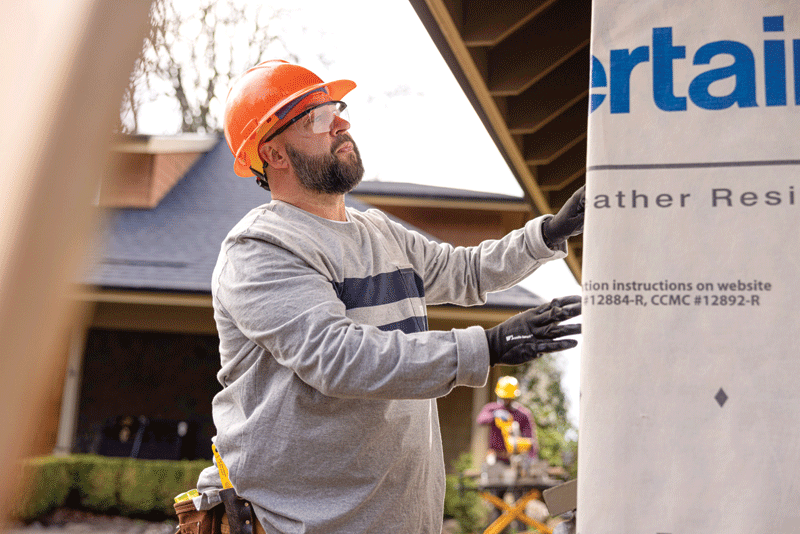
Similarly, housewraps offer exterior protection against mold, mildew, and water damage while minimizing mold and mildew issues inside. High-performing housewraps should allow the building to breathe, which is crucial for maintaining a healthy, durable, and energy-efficient building envelope. This breathability helps prevent moisture-related problems, preserves indoor air quality (IAQ), protects structural integrity, and improves energy efficiency. Further, the material can reduce future repair costs by providing a protective barrier for interior walls.
Benefits
Underlayments and housewraps provide essential air and moisture barriers to help protect other insulating materials in roofing and siding systems, such as foam board, batt insulation, and blown-in insulation, from damage while ensuring long-term performance. When considering material options, installation methods, moisture management, durability, and strength.
Some benefits of underlayments and housewraps include:
Moisture management
One of their primary functions is to prevent moisture from penetrating the building’s interior, thus avoiding potential water damage, mold growth, and structural decay.
Weather resistance
These materials protect homes from severe weather events such as hurricanes, snowstorms, thunderstorms, and tropical rainstorms. They also help maintain the integrity and prolong the lifespan of exterior-finish materials such as siding.
Enhanced thermal performance
Some housewraps can improve the building’s energy efficiency by reducing heat transfer. This helps regulate indoor temperatures, leading to lower heating and cooling costs for the property owner.
Signs you need an upgrade
Most roofing solutions can last 25 to 30 years, while siding solutions typically last 30 to 40 years. However, if a building envelope begins to show signs of cracks, tears, punctures, sagging, warping, or soft spots, it may be time for a replacement. Exterior home upgrades often require a large investment, but whether a new structure is being built or an existing dwelling is being upgraded, it is essential to ensure materials work together in a systems-based approach. Choosing housewraps and roofing underlayments that offer flexibility and durability to withstand the expansion and contraction of other building materials without cracking or deteriorating will provide building occupants with peace of mind for many years to come.
Notes
1 https://science.nasa.gov/climate-change/extreme-weather/
2 https://certainteed.widen.net/s/vmwcwxwxdx/certainteedtrendreport—mobile-1
Jennifer Annas has been with CertainTeed for nearly 10 years. She started her career in the gypsum business and recently crossed over into the Siding Products Group, where she is currently the product marketing manager. Annas has a passion for driving customer engagement, exploring new digital marketing tools, and sharing product knowledge. For more information on CertainTeed, visit www.certainteed.com.