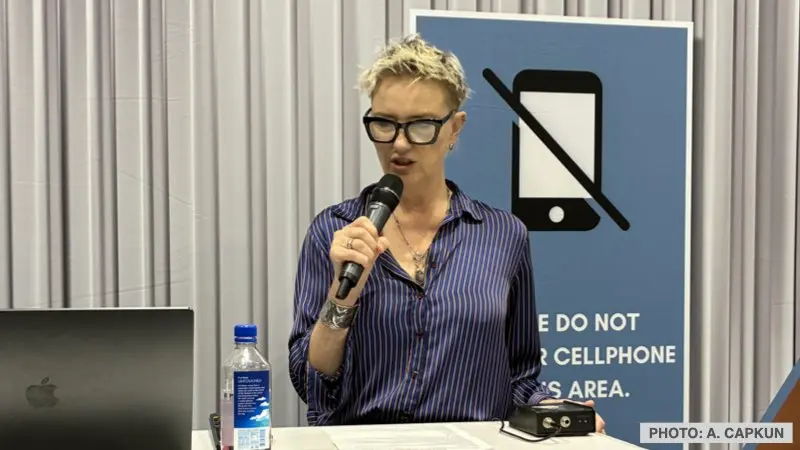
“You don’t argue with the environment, you design for it,” said Erla Dögg Ingjaldsdóttir. “Construction should respond to the hazards that exist.”
That was the argument that she and fellow Minarc principal Tryggvi Thorsteinsson put forward in their session “Built not to burn: why steel residential construction is poised to reshape fire-prone markets” at Metalcon 2026.
The pair challenged the continued reliance on combustible residential construction in regions vulnerable to wildfires, pointing to non-combustible Type II steel construction as an alternative.
“After every fire, we talk about building back better, but we see the same homes being built back the same way,” said Thorsteinsson. And he fully understands why: “We build what we know.”
That said, we cannot stop wildfires, so we should focus on changing “what we put in their path.”
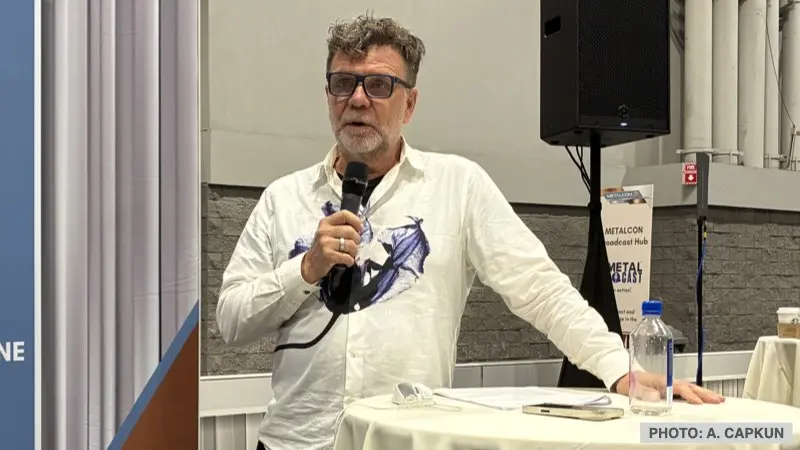
He noted that when buildings themselves contribute fuel to a fire, the consequences can extend beyond individual properties to entire communities.
And while building codes and construction practices evolve, Ingjaldsdóttir reminded attendees that the underlying physics remain unchanged.
“Building codes may change, construction traditions may change. The physics of fire don’t change,” she said.
Type II construction, the duo explained, is already recognized under existing building codes. It offers a framework for non-combustible residential construction without requiring municipalities to develop entirely new requirements.
“We don’t have to reinvent the wheel. We are not asking cities to invent something new,” Ingjaldsdóttir said.
Thorsteinsson did caution listeners that non-combustible does not mean fireproof. Such homes can still sustain serious damage. The goal, then, is to minimize their contribution to fire spread and improve their ability to withstand hazardous conditions.
Among the protective measures discussed were Class A roof assemblies, fire-rated glazing, and ember-resistant vents.
Ingjaldsdóttir also underscored the importance of maintaining a defensible perimeter around a home, noting how trees, outdoor furniture, and other “fuel” tend to accumulate around the property over time.
The presenters emphasized that these measures apply in other places, not just California, and believe the insurance industry may ultimately force changes in how we build, regardless of whether the construction industry is ready to embrace them.
Anthony Capkun is the editor-in-chief of Metal Architecture and Metal Construction News magazines.