Photo courtesy The Goley Companies
Metal buildings give architects a powerful design tool—clean lines, modern profiles, and the flexibility to bring bold ideas to life across commercial, industrial, and institutional spaces. Turning a strong concept into a lasting structure requires more than just selecting the right exterior panels.
Insulation may not be the most visible part of a building, but it plays a key role in protecting its appearance and performance. When planned from the start, insulation can help prevent structural and aesthetic issues that quietly erode design intent over time.
From avoiding early design missteps to navigating exposed insulation and code requirements, understanding when and how to engage insulation experts can make all the difference in preserving a building’s look and longevity.
Warping, gapping, and the metal myth
Insulation is not just about energy performance. It is often the difference between a metal building that looks sharp for decades and one that starts showing visual flaws within its first year.
Despite their sleek appearance, thin-gauge metal panels are especially vulnerable to subtle but serious issues that compromise design intent. These include:
- Warping from thermal expansion and contraction.
- Gapping between panels due to poor material coordination.
- Thermal bridging, which can lead to condensation, corrosion, and uneven surface behavior.
- Rippling that distorts clean lines and creates visual “noise” on the facade.
Many of these problems stem from a common assumption—the “metal myth”—that metal is tough enough on its own to resist these forces. In practice, even high-end metal systems can deform when exposed to fluctuating temperatures and unmanaged moisture.
It is a scenario many architects have seen or heard about: a clean, modern metal facade that looks perfect on paper, but within months of occupancy, subtle distortions start to appear. Panels ripple, gaps form at the seams, and the crisp lines that defined the original concept begin to fade. Often, the root cause is not the metal itself, but a lack of proper insulation planning.
The fix comes from consulting with insulation experts early. With the right materials and a strategic installation plan, insulation both manages performance behind the scenes and actively protects the architectural vision from avoidable, appearance-altering failures.
Early insulation planning
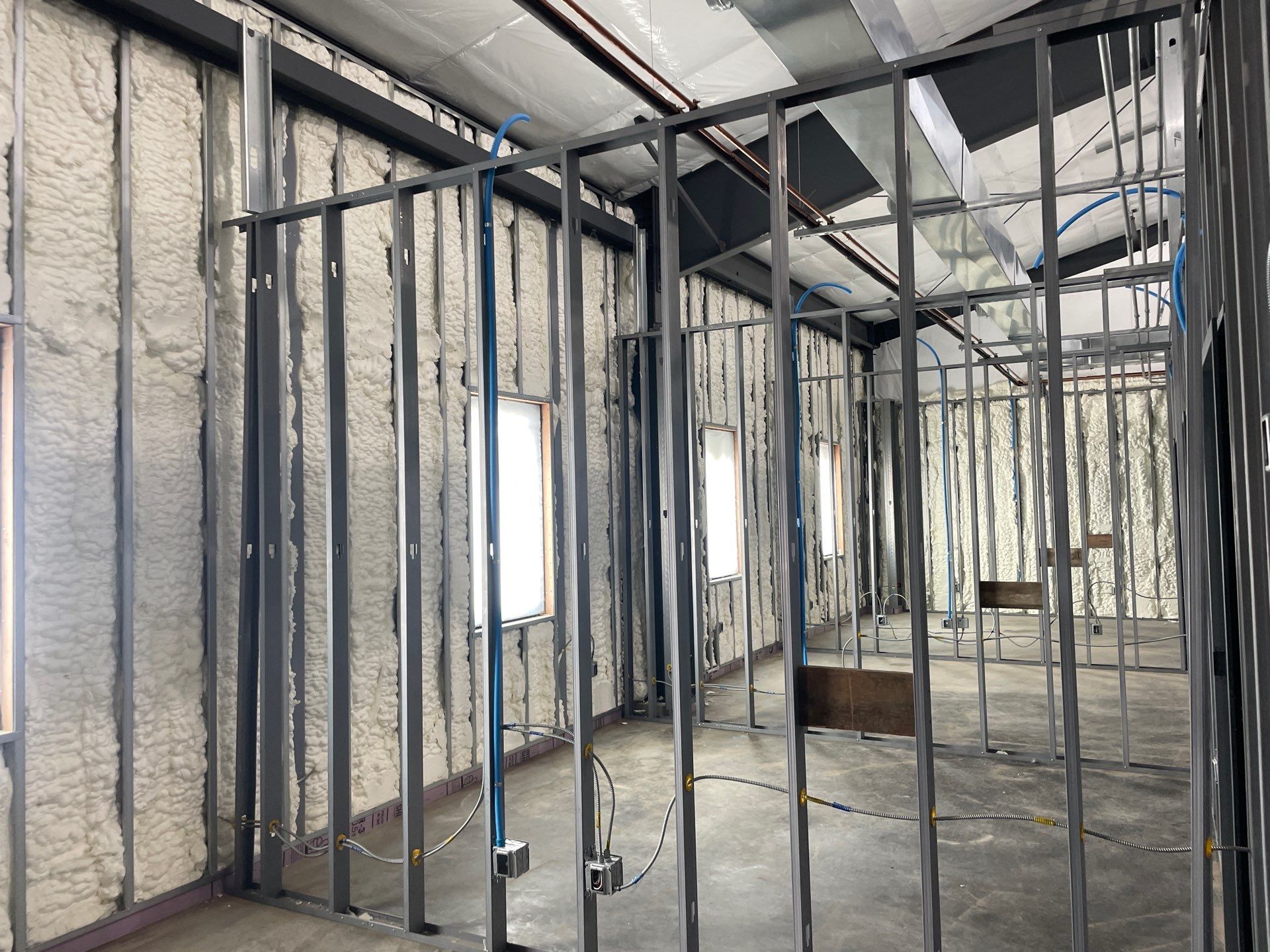
Engaging insulation specialists early in the design process can be the difference between a flawless metal facade and one that develops avoidable, frustrating visual issues. When insulation is treated as a core design element rather than an afterthought, experts can recommend materials and methods that support both the building’s appearance and performance.
Managing temperature differentials is critical to overall performance. The contrast between indoor and outdoor temperatures, especially in extreme climate regions, can create conditions for thermal bridging, condensation, and eventual material degradation. For this reason, it is essential to work with a contractor who understands these risks, recognizes potential problem areas, and collaborates with the broader team to identify insulation solutions that protect both project efficiency and design integrity.
This kind of proactive planning is essential. It protects against costly rework and helps ensure that the final product looks and performs exactly as envisioned.
Exposed insulation: aesthetic strategies and technical guardrails
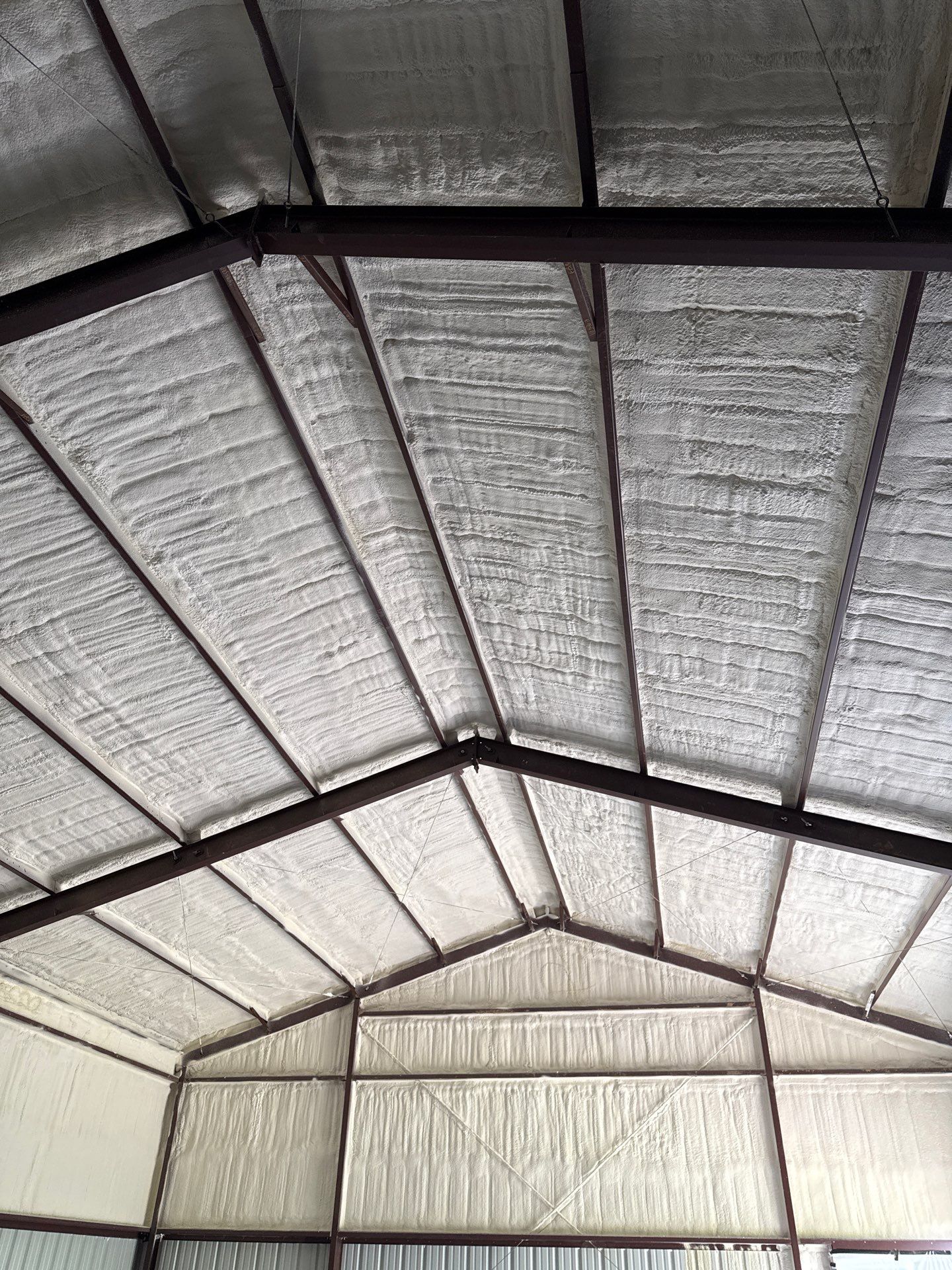
More architects are embracing the look of exposed insulation, leaning into its raw, utilitarian appeal as part of a broader industrial or rustic design approach. When handled well, it can add texture, depth, and even character to a space. Exposed insulation also brings a set of design and safety considerations that cannot be left to chance.
The first and foremost consideration is fire safety. In commercial or high-occupancy buildings, exposed insulation must meet strict code requirements—and not all materials qualify. Products must be properly tested and rated to remain exposed. In spray foam applications, intumescent coatings are often used to meet fire safety standards. These coatings expand when exposed to heat, forming a protective charred layer that helps contain flame spread without obscuring the
underlying material.
Visual quality is another critical factor. Not all insulation is meant to be seen. Spray foam and fiberglass can vary in finish, and sloppy application or uneven surfaces can quickly undermine a clean, intentional look. If exposed insulation is part of the design, it needs to be installed with that in mind, from the selection of materials to the choice of the contractor.
It is also worth thinking about how the insulation will look five or 10 years down the line. Dust, moisture, and UV exposure can discolor or degrade certain materials. UV-resistant products or protective coatings can help preserve the original appearance and reduce maintenance headaches later on.
The bottom line: exposed insulation can be an eye-catching design feature, but only if thoughtful planning, proper materials, and high-quality execution back it.
The architect’s insulation checklist
Before locking in design decisions, it is critical to ask the following questions:
- What is the building’s purpose, and where is it?
Climate and use case drive insulation choice.
-
Will any insulation be visible?
If yes, it needs to meet code—and look good doing it. Use fire-rated products and consider protective finishes.
-
Does the installation plan match the design intent?
Crisp lines require precise work. Coordinate with contractors early to avoid gaps or surface inconsistencies.
-
How will it sound inside?
Metal buildings echo. Certain insulations can help control acoustics while supporting the overall design.
Answering these questions early can help ensure the design holds up over time.
It is critical to understand that insulation decisions made too late, or without expert input, can quietly derail even the most well-designed metal building.
Bringing the right partners to the table
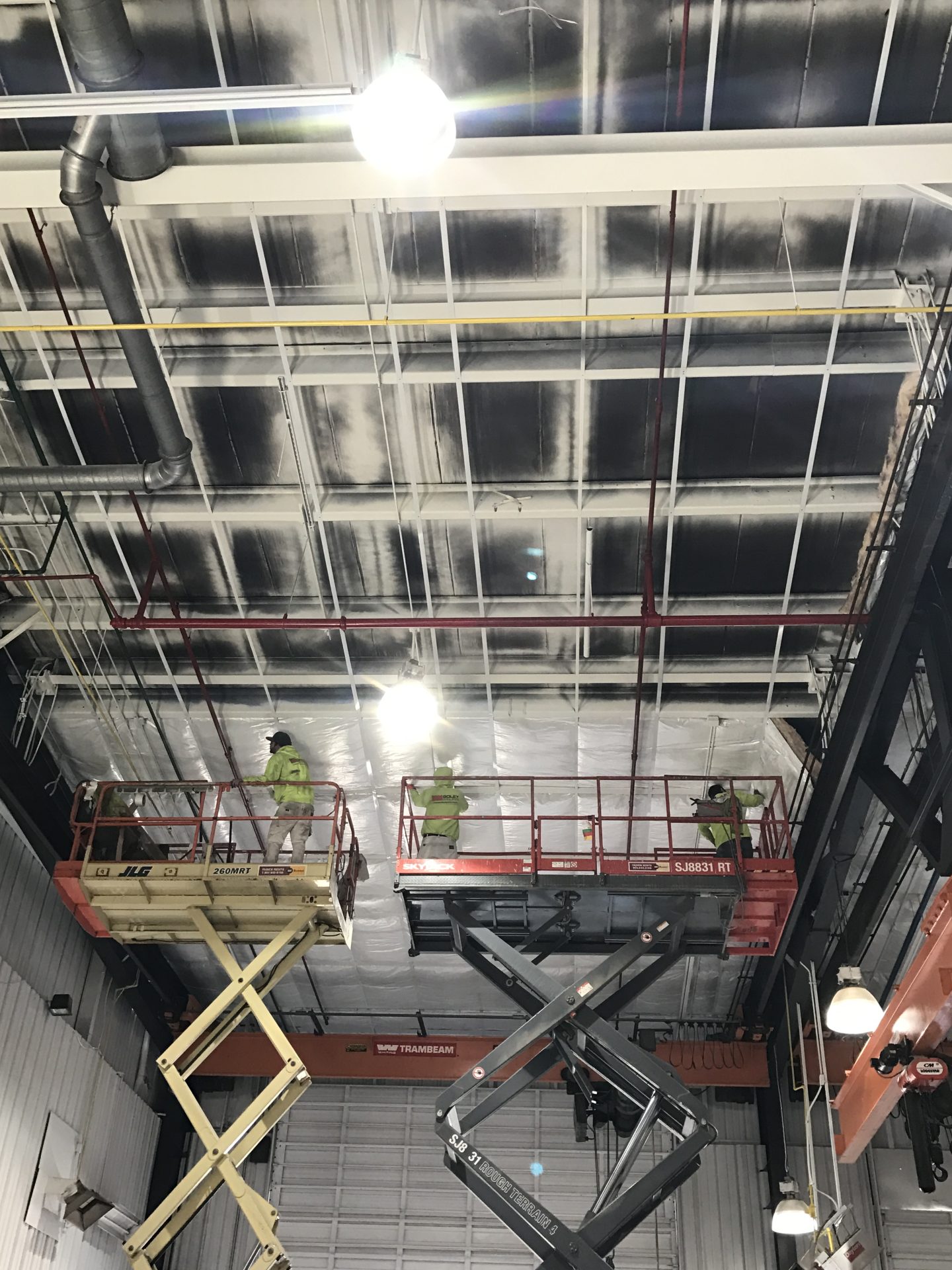
Experienced insulation professionals understand how materials interact with metal in real-world conditions, how thermal bridging creeps in, how condensation can quietly undermine cladding, and how small installation missteps can lead to visual flaws architects never intended.
The right insulation advisor can deliver:
- Strategic foresight through helping plan for temperature shifts, moisture control, and material movement before they cause problems.
- Hands-on collaboration for coordinating with HVAC, structural, and enclosure teams to ensure everything works together.
- Craftsmanship that shows, especially when insulation is exposed, as the quality of the install directly affects how the building looks.
- A commitment to code and quality through an emphasis on fire safety, thermal performance, acoustics—all aligned with the architect’s vision.
In metal architecture, details matter, especially the ones that are not always visible. Insulation might not show up in the renderings, but it shows up in the results: straighter lines, smoother finishes, and designs that last.
Whether it is planning around thermal movement, specifying exposed materials, or simply getting ahead of the unexpected, insulation experts help bridge the gap between design intent and built reality. Bringing these specialists in early is design insurance. It protects the architect’s vision and reputation, as well as the client’s investment.
Joseph Goley is the vice president and third-generation leader of The Goley Companies. He has worked for the Dupo, Ill.-based insulation contractor since 2019. He is a member of the Owens Corning CEE Customer Advisory Council, the Knauf Insulation Customer Advisory Board, the Home Builders & Remodelers Metro East Association Board, and Southern Illinois University Edwardsville’s Construction Management Industry Advisory Board. The Goley Companies specialize in delivering building performance solutions—insulation, air sealing, firestopping, energy testing—for new and existing homes and commercial buildings. For more information, call 618-286-3355 or visit thegoleycompanies.com.
This feature originally appeared in the March/April 2026 edition of Metal Architecture, which you can find in our Digital Edition Archives.