

CENTRIA, Moon Township, Pa., announced the opening of its Product Innovation Center, which houses the company’s testing and training facilities for its metal wall and roof systems for commercial and industrial buildings. “The main functions served by this new facility are product testing, product installation feasibility and installation training,” said Keith Boyer, director of design and development, CENTRIA. “The Innovation Center provides a place where engineers and detailers can prove out their ideas via full scale product testing and assembly. Once products are developed, installers are trained via classroom instruction and hands on assembly training. Customers and architects also visit the center to view product mockups, as well as the architectural wall products used on the Center’s riverside façade.” The Product Innovation Center contains indoor and outdoor testing facilities, equipment and capabilities, including: sample fabrication; mockups of wall and window systems; and air, water and load testing areas. In addition to testing new products, CENTRIA also uses these areas, particularly the mockup systems area, to demonstrate the physical properties of its various products, best practices in application and to conduct focus groups for customer input on quality, performance and the aesthetic attributes of products.
CENTRIA opens Product Innovation Center
This Month’s Features
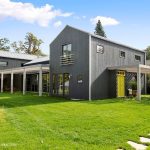
Education, advocacy, and metal building excellence
Metal building systems extend far beyond the basic, box-like structures that many architects may still associate with them. Today, they support complex designs, varied...
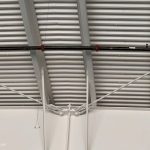
Bracing for the future
In metal building design, owners want to know the cost and delivery. Architects think about openings, elevations, space planning, and how the building will...
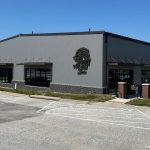
Champions Run
Recognizing the growing popularity of pickleball, Champions Run Golf Course in Omaha, Neb., developed a new year-round facility designed to provide an inviting environment...

From basic shelter to building blocks with infinite possibilities
When 13 metal building system manufacturers came together 70 years ago as the founding members of the Metal Building Manufacturers Association (MBMA), they did...
Read the latest issue
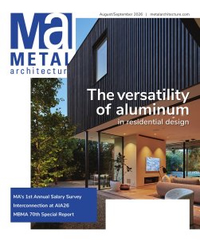
September 2026