Photo courtesy Case Engineering
This month, Metal Architecture connected with Ardie Mansouri, P.E., principal structural engineer at Case Engineering. The 30-year-old engineering firm, based in Fenton, Mo., employs 90 to 100 employees across 50 states and Washington, D.C., in the structural, mechanical, electrical, and plumbing disciplines.
Darrell Case founded the company in 1995, working out of his basement, and the firm has since grown to design and engineer buildings for the commercial, industrial, retail, and educational industries.
Part of the firm’s history includes a two-decade-long partnership with AEdifica, a Canadian architecture firm, and, in 2020, promoting partners from within, enabling positive guidance and growth across U.S. markets.
Integrated employee education
Photo courtesy Case Engineering
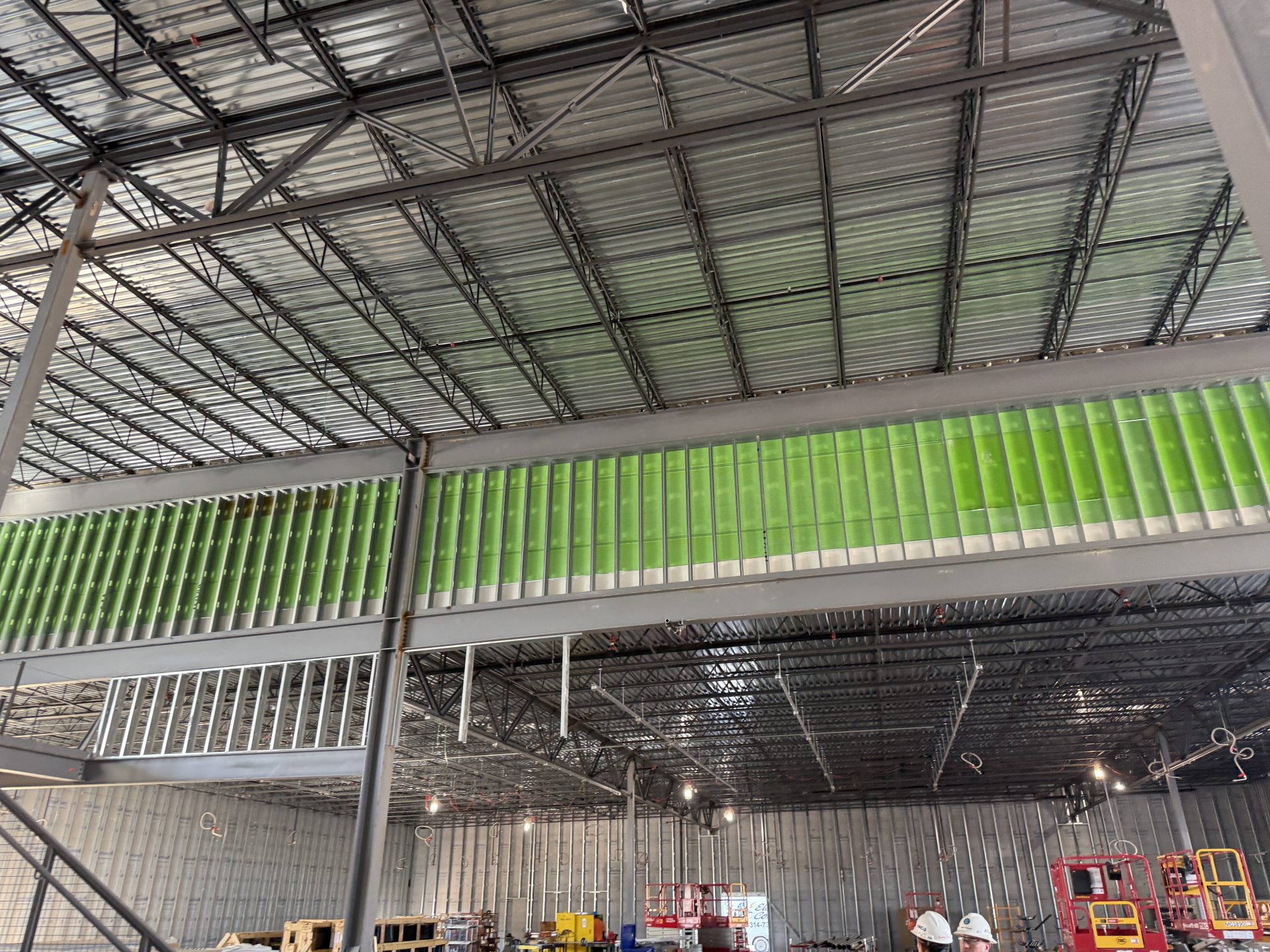
Photo courtesy Case Engineering
Case Engineering aims to deliver efficient and high-quality structures to its clients. Within this delivery of high-quality structural plans, the firm offers opportunities for its team to excel in the design space. The supportive workplace fosters a positive environment for employees, ensuring a healthy work-life balance and opportunities for professional growth and development. Mansouri explains the immersive approach to education: the firm takes on large projects with professional development opportunities in mind, sharing the aim to support employees’ learning and “pushing their limits as far as what they know and making sure to accommodate them and their ability to expand their knowledge in this profession.”
Presenting learning experiences, new employees are empowered to be involved in the full spectrum of a project, from “proposals and having conversations with our clients to being paired off with a more senior engineer and learning through observing.” Beyond experiential learning, the firm also provides seminars and monthly discussion meetings. Mansouri excitedly shares a recent seminar on retaining walls, including design tips and tricks and project examples.
Modernized design processes
The firm incorporates technology into its design and specification processes, using building information modeling (BIM) software rather than relying on traditional two-dimensional drawings. A tangible perspective on plans enables designers and engineers to anticipate potential complications in advance. Mansouri explains the practical benefits of this process and says, “We’re actually modeling all of our elements in conjunction with the architectural team to make sure that we’re not clashing and we don’t specify something in the drawings that, once they get out in the field, won’t actually work.”
He emphasizes the significant increase in software tool use across the architecture, engineering, and design (AED) disciplines over the past decade, resulting in a streamlined, successful collaboration process. The use of standardized tools supports confidence in both a design and its efficiency in several ways. For example, it ensures a faster planning process, enhances visualization, and prevents installation mishaps during construction.
Meaty metal solutions
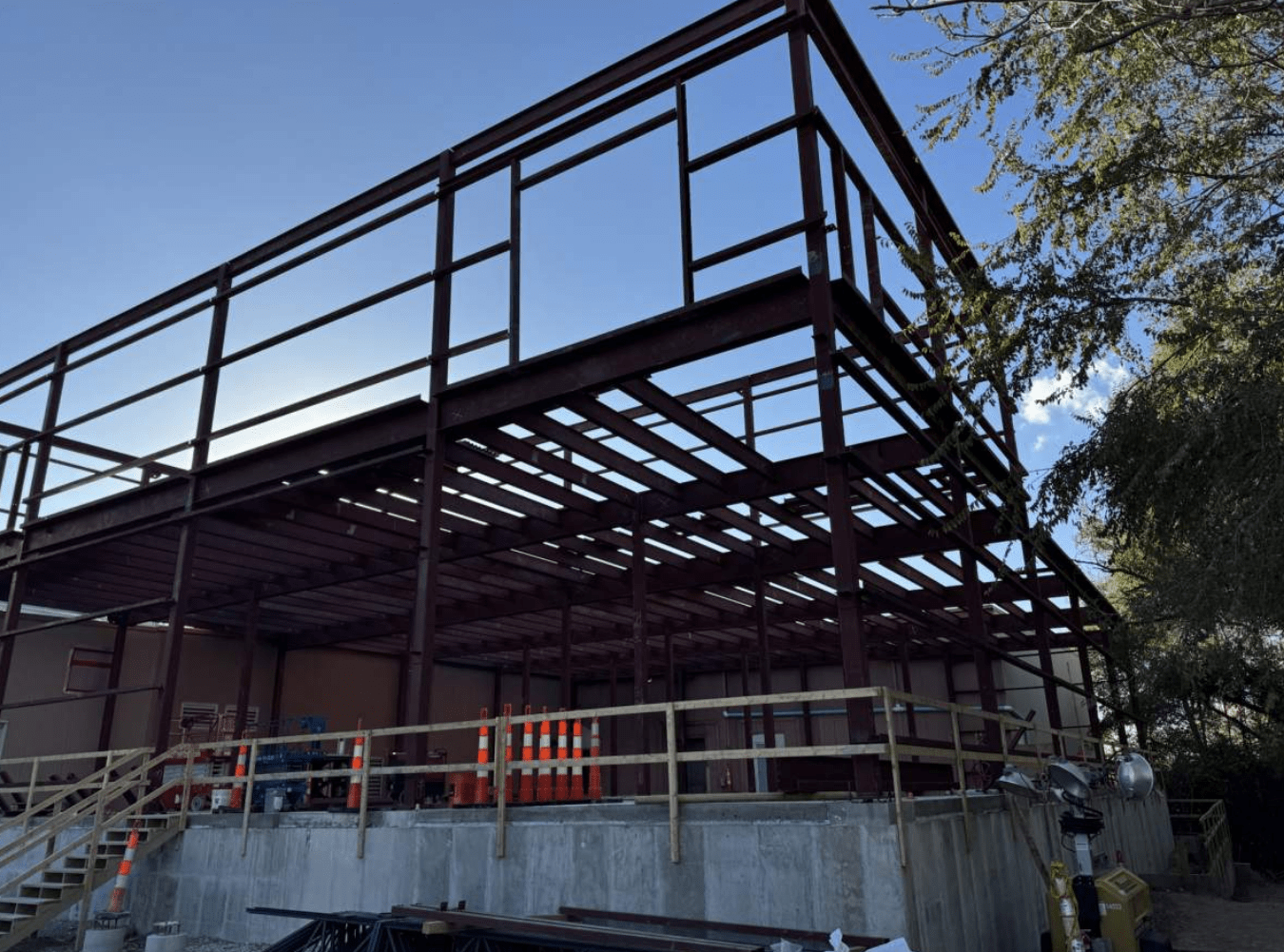
Photo courtesy Case Engineering
Working with a diverse range of industries, Case Engineering encounters opportunities to use innovative metal solutions. In the expansion of a 1,021.9 m2 (11,000 sf) Volpi meat-curing, slicing, and processing facility in St. Louis, Mo., steel offers crucial solutions to structural and geotechnical considerations.
The firm opted to use insulated metal panels (IMPs) as cladding, supported by steel framing and girt channels, as well as for the structure’s interior. The design features a trolley system to address the facility’s unique needs, presenting a specific consideration. With this system, it is critical that the structure experience minimal deflection, as excessive deflection would result in a malfunction of the suspended trolley system below. The specified steel beam sizes satisfy this consideration. Metal is the ideal material for the project, as it provides the required insulation and fire safety that other materials, such as wood and masonry, do not offer.
The building’s positioning on a sloped site added another layer of consideration to the design process for the meat processing facility, which was addressed by using a lightweight structure. The project predominantly used steel in its beams, columns, and braced frames. To ensure stability and facilitate the transfer of wind and seismic forces, the design incorporates tension rod bracing with turnbuckles, clevises, and gusset plates.
Sustainability in practice
Mansouri makes an important distinction for designs: efficient designs use the least material possible without compromising form or function. Cost-effective, code-compliant, and efficient structures can avoid the overuse of materials.
He offers an overview of the firm’s approach: “When we’re doing renovations of existing buildings, we will absolutely do our best to either take something that’s existing, and if it’s still code-compliant, we can justify it through calculations, use it in the new capacity in the new proposed modification to the building.” He estimates that more than half of the firm’s projects are renovations and emphasizes the value in reinforcing structures rather than discarding material.
Steel strength beneath the facade
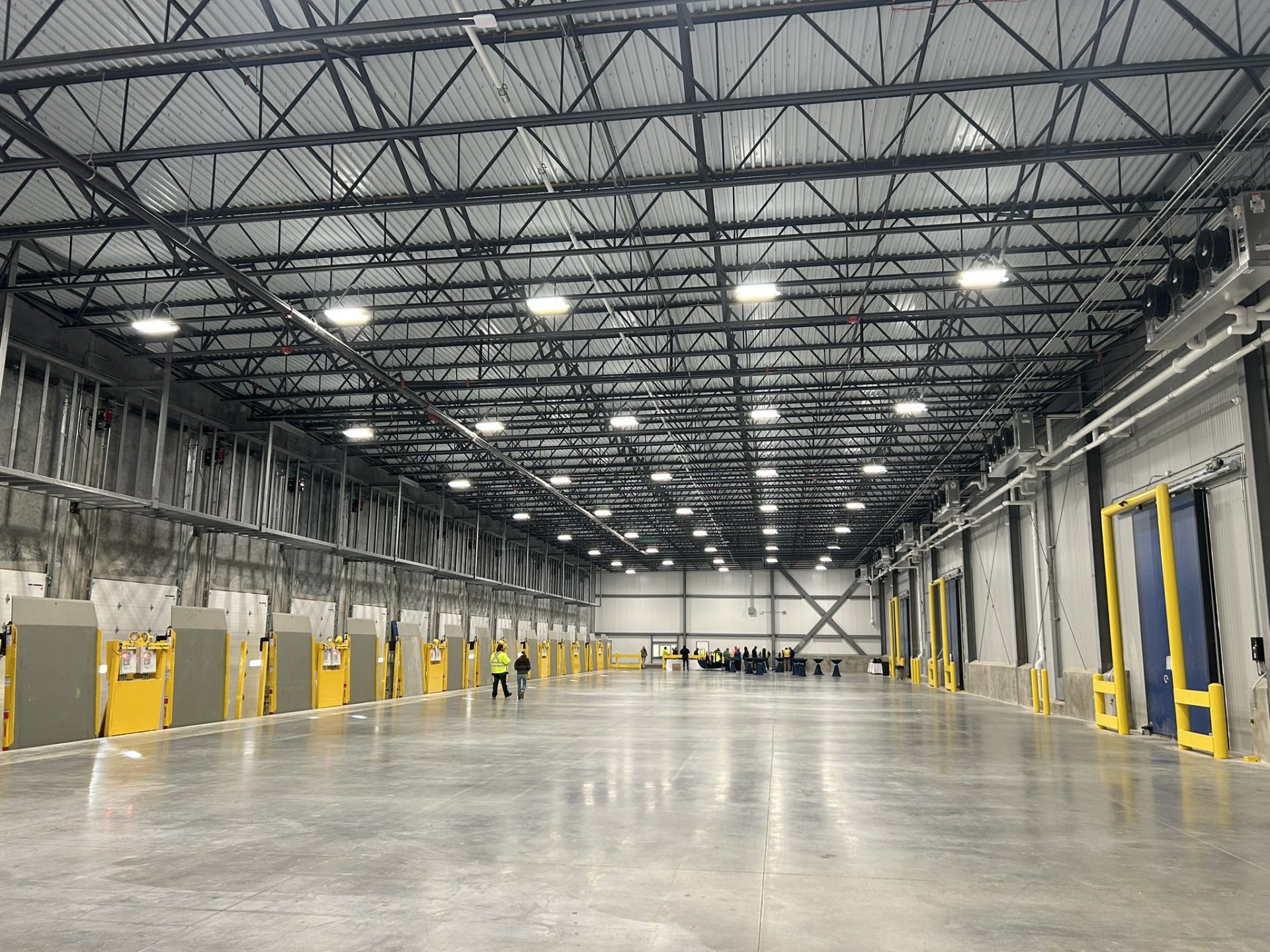
Photo courtesy Case Engineering
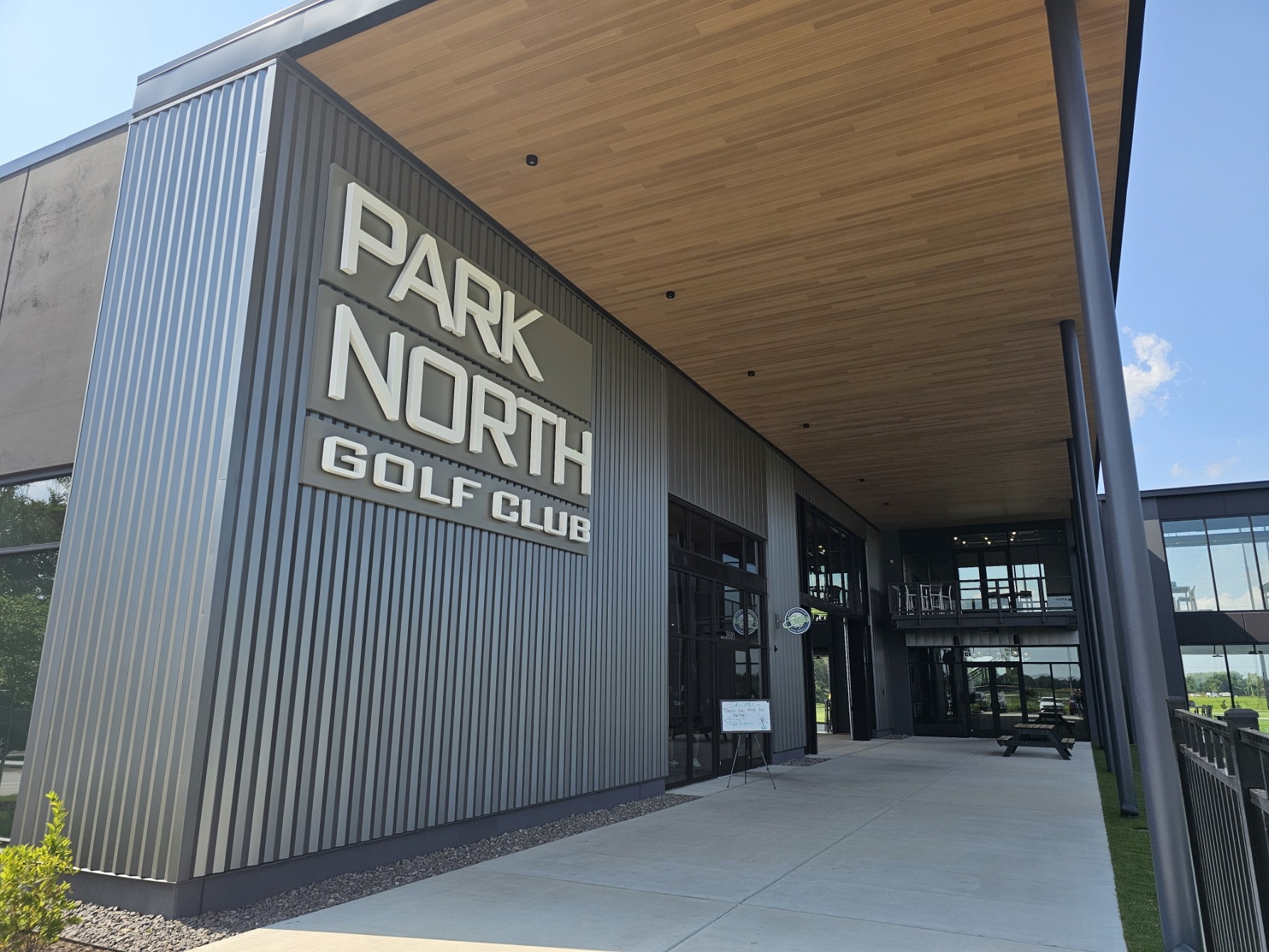
In many of Case Engineering’s designs, steel provides a strong foundation for structures serving a diverse array of functions, from large-scale transportation facilities to recreational spaces. A pivotal aspect of many of their designs is that steel promotes stability in areas with geographical concerns without adding too much load to the structure. The material is also relatively cost-effective and can be used for aesthetic purposes in a variety of applications. The firm’s work at Coastal Carriers’ new storage facility in Foristell, Mo., a 11,148.3 m2 (120,000 sf) steel-framed cold storage center, relies heavily on steel framing for both walls and roofing beneath an IMP cladding and metal deck roofing. The firm’s renovation of an Anytime Fitness facility in San Diego, Calif., involved optimizing space with tight restrictions. Composite steel beams proved vital to this project, enabling a low-profile, lightweight structure that efficiently maximizes the facility’s usable area while considering environmental factors.
Case Engineering showcases the material’s versatility in its design for The District in Chesterfield, Mo. This project features outdoor recreation areas that incorporate steel in fencing, seating pergolas, a stage, and an entrance with ornamental steel in the form of tie braces that lean into an industrial aesthetic.
Stylistic elements of metal framing
Embracing structural engineering in aesthetics, Mansouri details his favorite trend with metal: exposed structural steel. Whether it be large X-braces throughout a building or other framing details, this eye-catching architectural feature marries a structure’s functional composition with industrial aesthetics. In some cases, exposed framing requires engineering creativity to achieve the right look, as Mansouri says the process can “make us think a little bit harder on our preconceived notions about what steel structures can actually do.”