The NIA’s updated standard for metal building insulation (MBI) includes major changes focused on surface burning characteristics. This article explains surface burning characteristics, how they affect the insulation specification process, and what the new standard has done to further promote safety in the metal building design industry.
Understanding surface burning characteristics and their importance
The surface burning characteristics of a product are more commonly referred to as its flame spread and smoke developed index. The index rating of a product is a comparative measurement of the spread of the flame and smoke obscuration versus time for the material tested, in accordance with ASTM E84 and UL 723.
The ASTM E84 and UL 723 test method and classification of products came about over time as a result of some horrific fires that occurred within the United States, dating back to 1942. In November 1942, the Boston, Mass. Cocoanut Grove nightclub fire claimed 492 lives and injured 166. In June 1946, Chicago, Ill., the LaSalle Hotel fire claimed 61 lives and left at least 200 injured. Later that year in December, the Winecoff Hotel fire in Atlanta claimed 119 lives and injured at least 90.
The common theme in all three tragedies was the rapid flame progression along the surfaces of the exposed interior finish of the walls and ceilings, which ultimately led to the adoption of the ASTM E84 Standard Test for Surface Burning Characteristics of Building Materials in 1961.
Although time has passed, the need and awareness still exist today. More than 70 years after the adoption of ASTM E84, another tragedy struck in Rhode Island in February 2003. A fire erupted and quickly spread during a performance by the metal band, Great White, at the Station nightclub in West Warwick, leaving 100 dead and 230 injured. Once again, one of the primary factors in this tragedy was the rapid flame spread on the surface of the ignited ceilings and walls.
Code
Code requirements for metal building insulation and surface burning characteristics
The International Building Code (IBC) assigns a Surface Burning Characteristic Classification to all building products required to be tested using the ASTM E84 Standard. More specifically, Chapter 8, Interior Finishes, of the 2024 IBC, Section 803.1.2 Interior Wall and Ceiling Finish Materials Tested in Accordance with ASTM E84, are categorized into three classes, as follows:
- Class A = Flame spread index 0–25; smoke developed index 0-450
- Class B = Flame spread index 26–75; smoke developed index 0-450
- Class C = Flame spread index 76–200; smoke developed index 0-450
The following building codes and standards use these classes to help determine which products meet code:
- International Building Code (IBC)
- International Mechanical Code (IMC)
- International Fire Code (IFC)
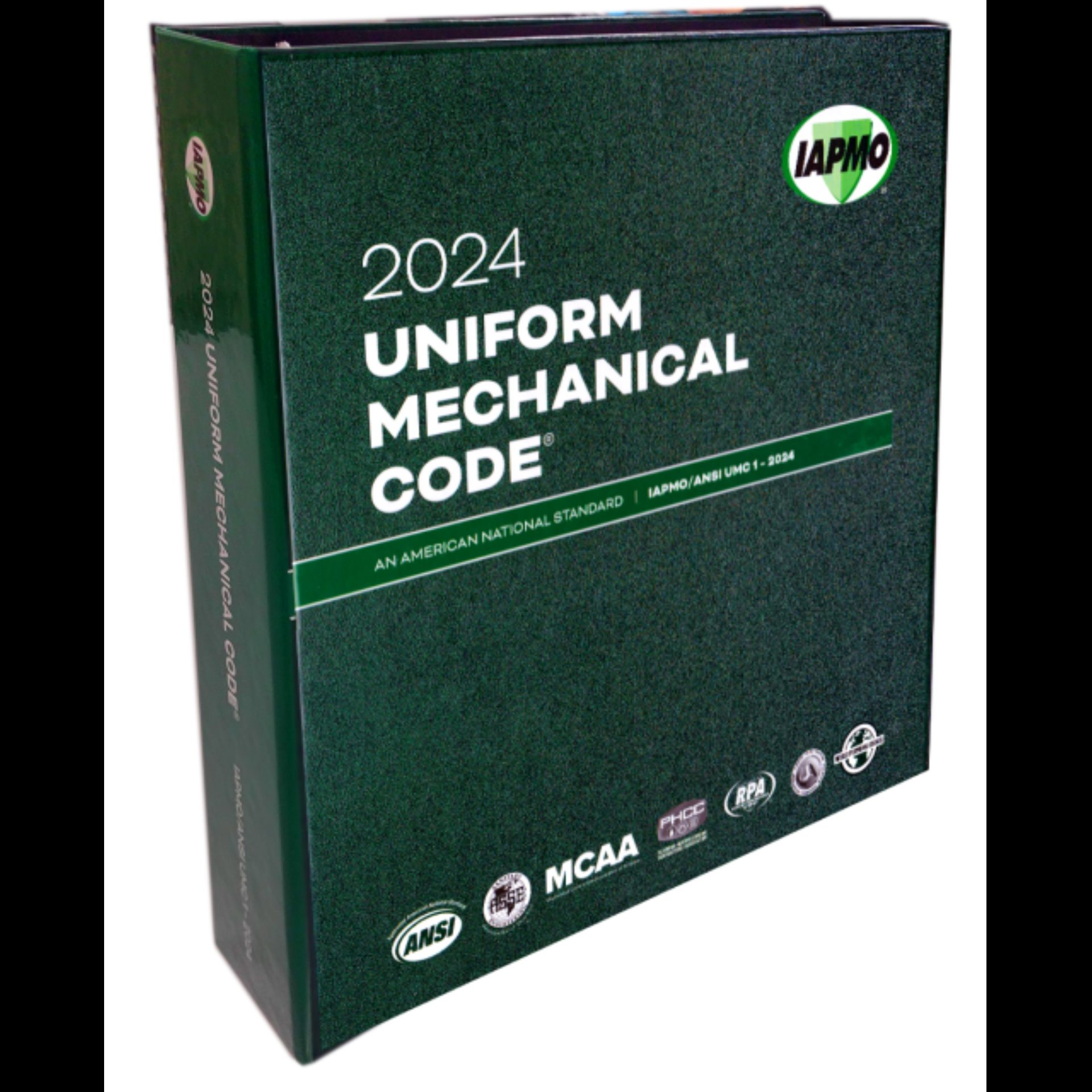
- Uniform Mechanical Code (UMC)
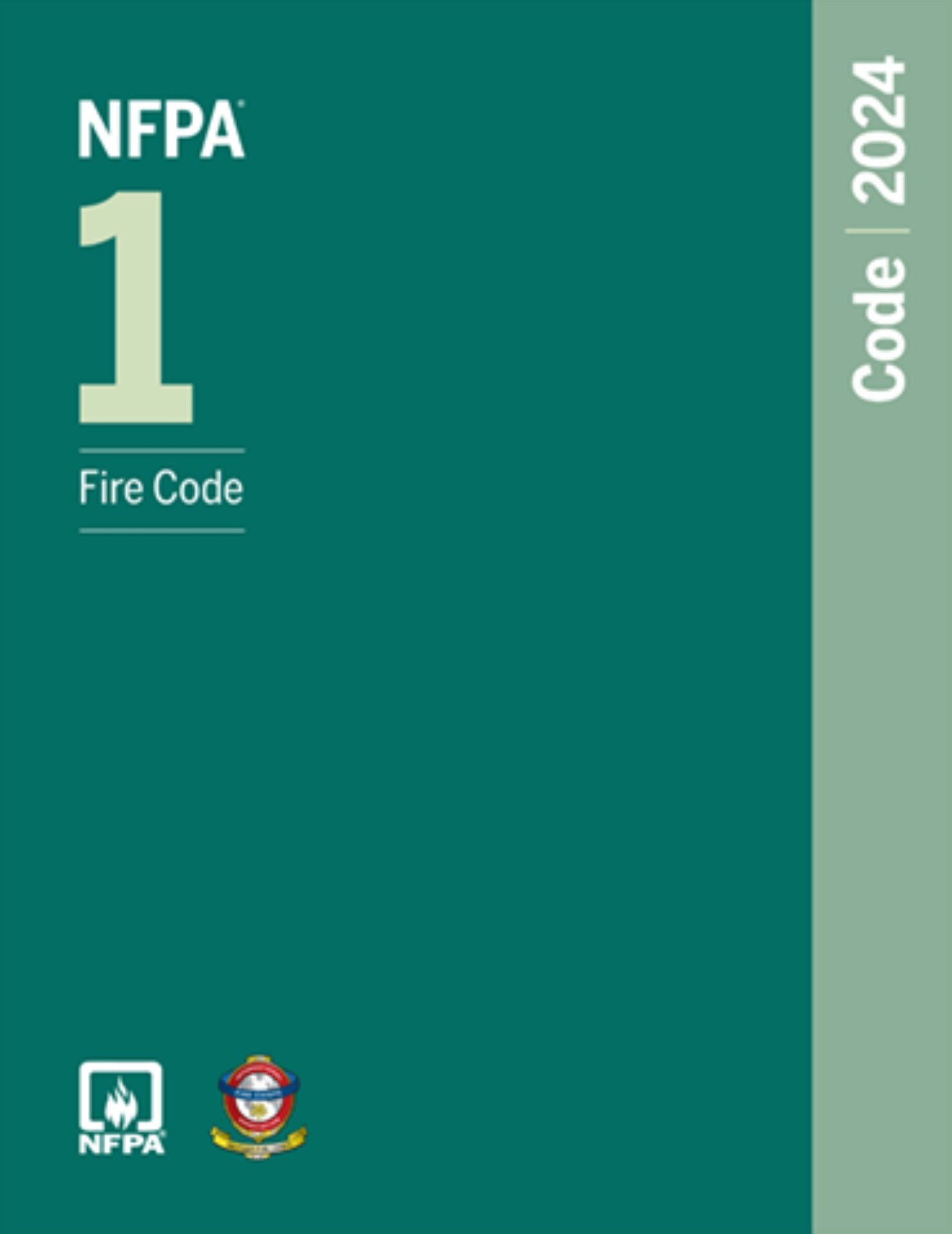
- National Fire Protection Association (NFPA) 1 – Fire Code
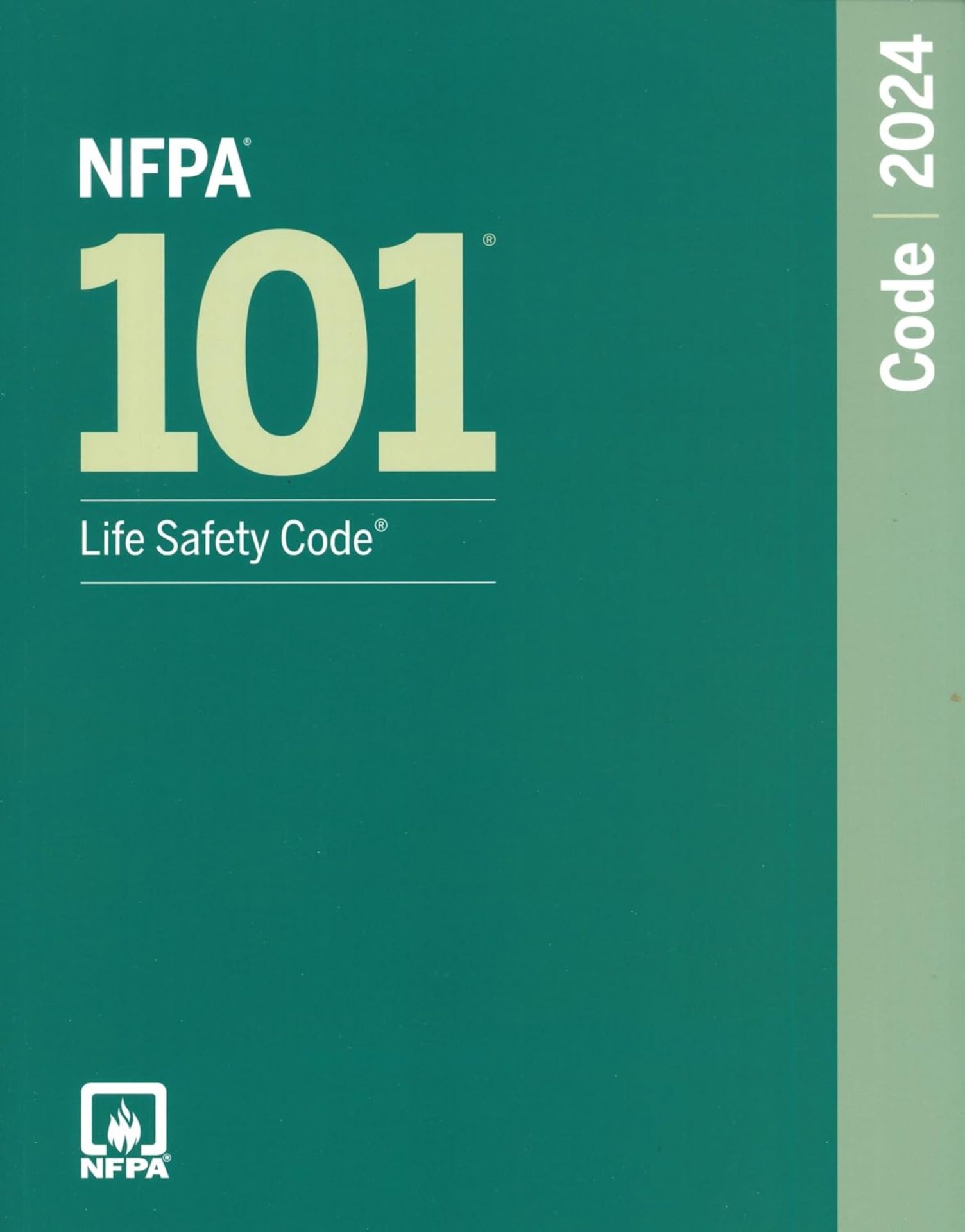
- NFPA 101 – Life Safety Code
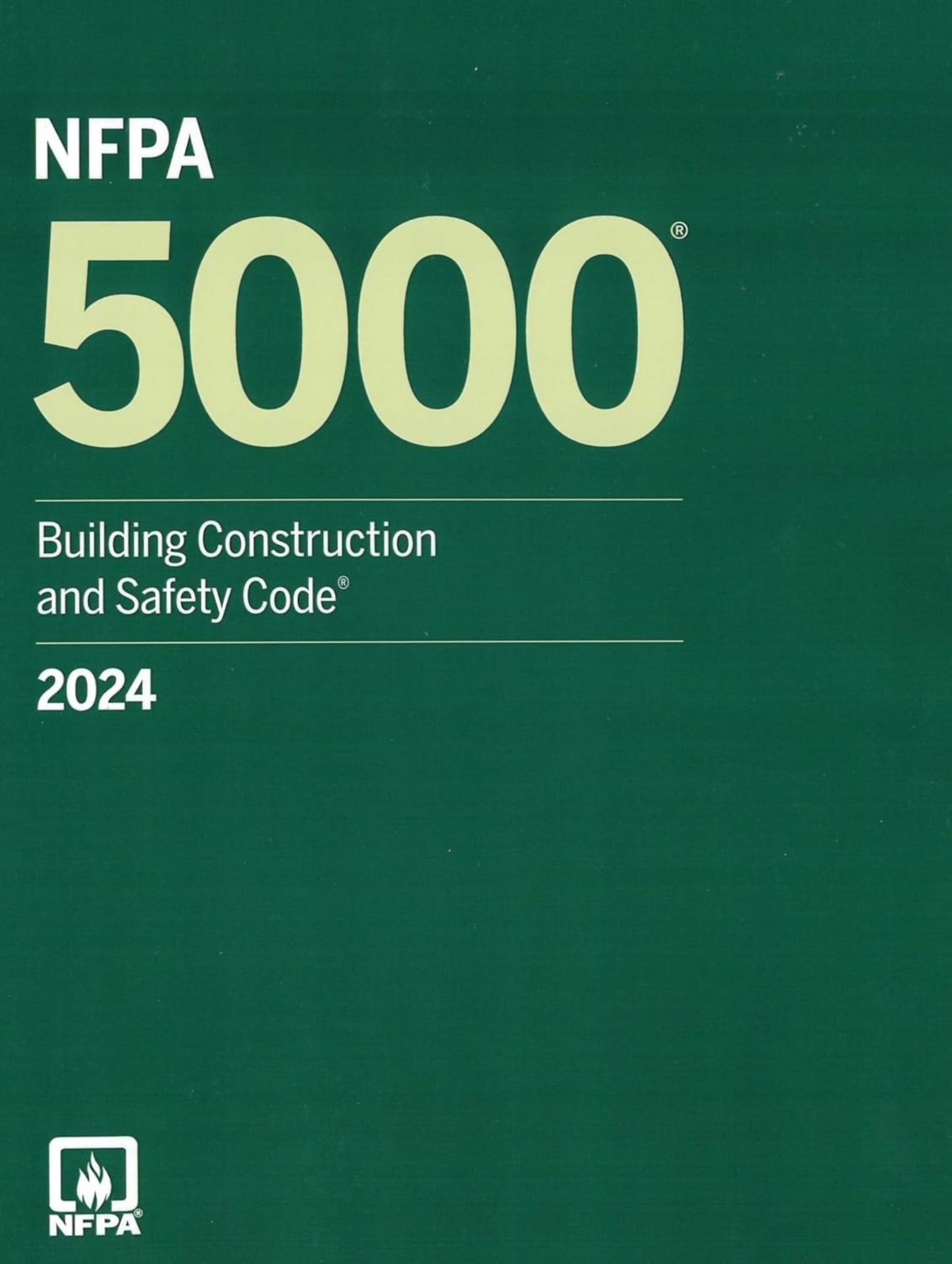
- NFPA 5000 – Building Construction and Safety Code
- NFPA 90A – Standard for the Installation of Air-Conditioning and Ventilating Systems
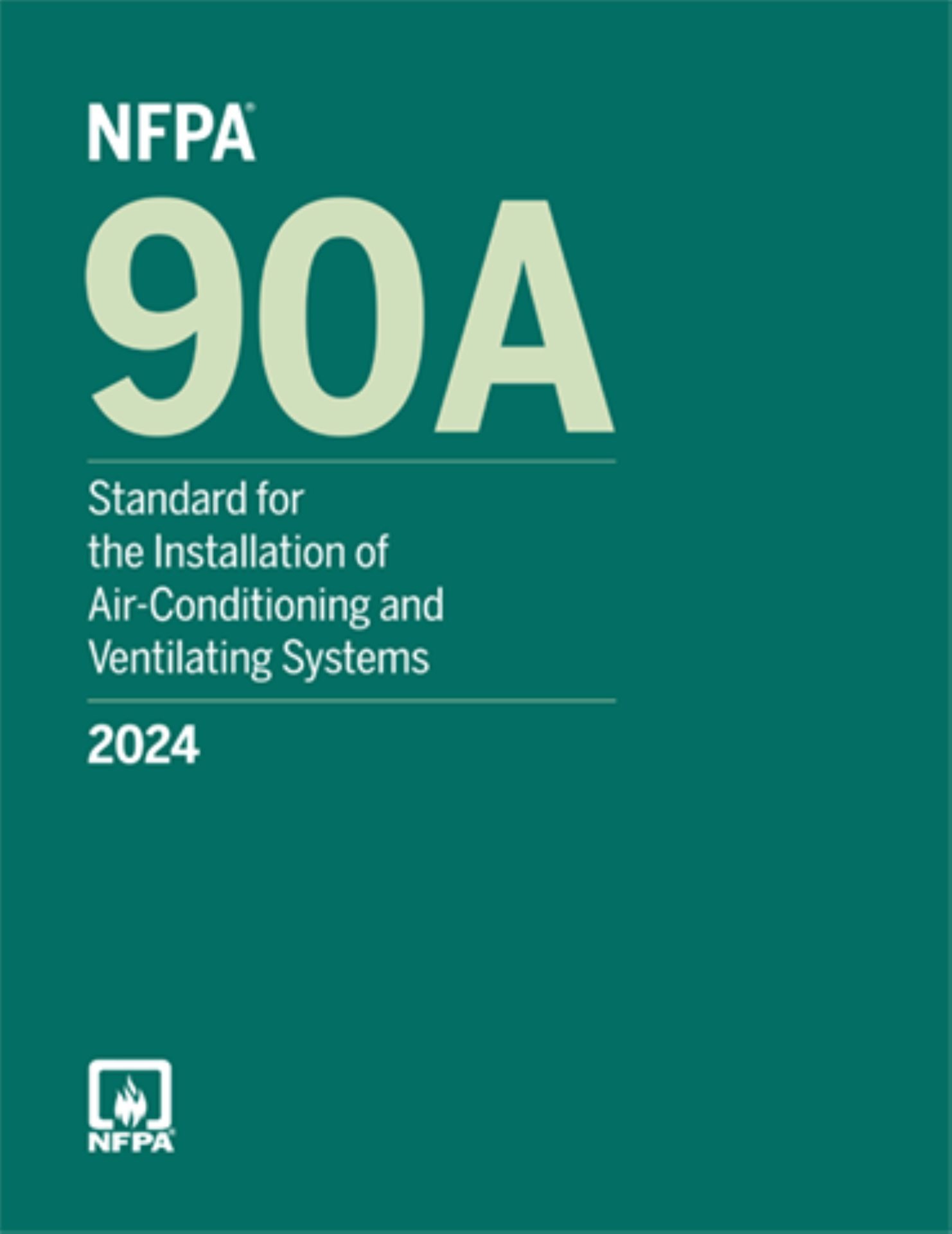
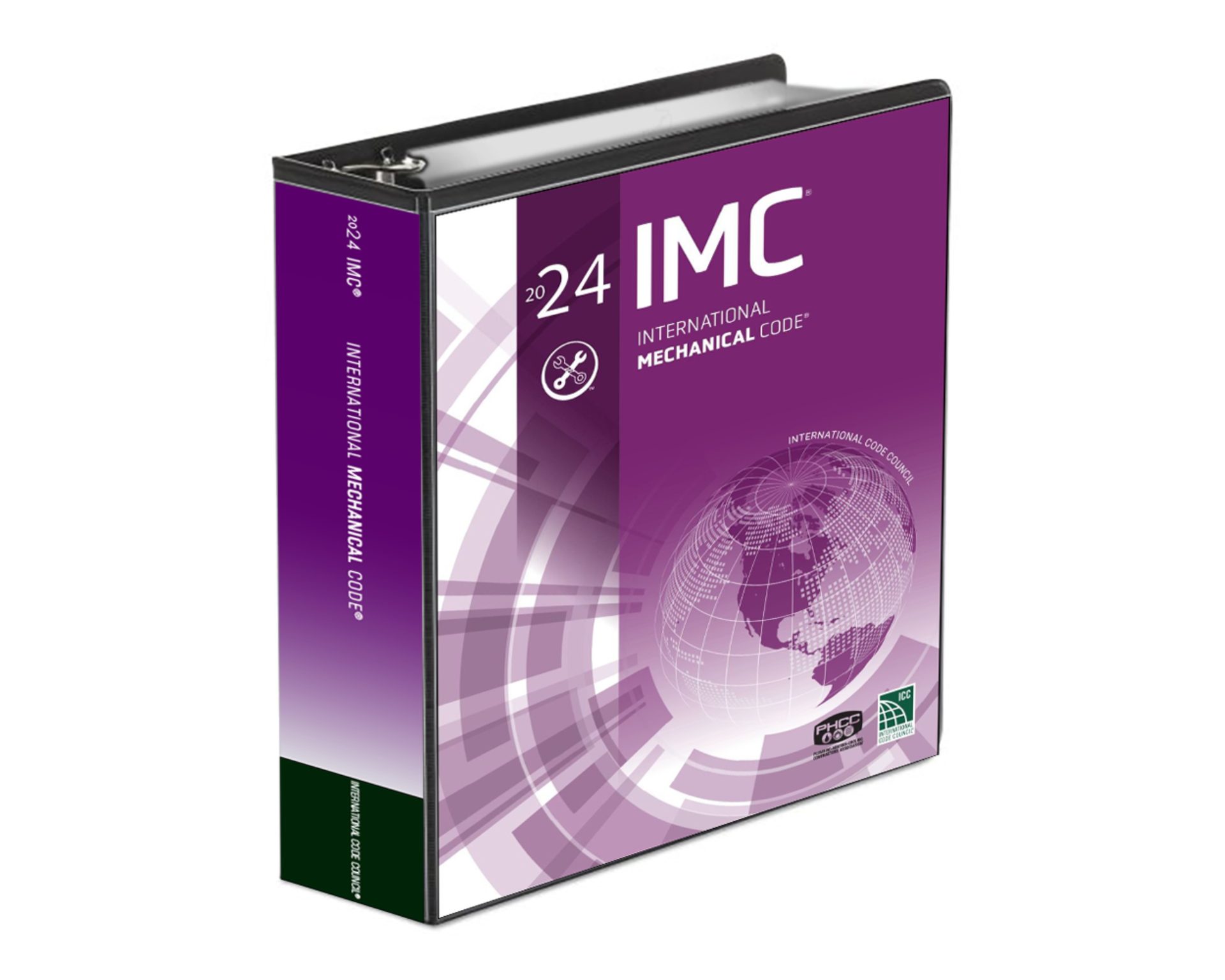
The
The
The primary reasons to insulate a metal building
The primary reasons to insulate a metal building, besides meeting code requirements, are for thermal and acoustic/sound purposes. When determining the materials needed to insulate a metal building, one of the main resources utilized is the ASHRAE 90.1 Energy Standard for Sites and Buildings Except Low-Rise.
Residential Buildings. Per ASHRAE 90.1–2022, within metal buildings, fiberglass insulation systems can be single-layer, double-layer, liner systems, or filled cavities. In each of these systems, the fiberglass insulation can be either faced (laminated) or unfaced.
When using faced metal building insulation—whether in metal building ceilings, walls, or both—in the vast majority of cases, the faced side of the fiberglass insulation is left exposed to the building’s interior.
IBC Section 720.3, Exposed Installation, states, “Insulating materials, where exposed as installed in buildings of any type of construction, shall have a flame spread index of not more than 25 and a smoke-developed index of not more than 450.”
In simple terms, both concealed and exposed faced metal building insulation must be Class A to meet the IBC.
Although not common in practice, there are instances where metal building insulation becomes incorporated into the design of the plenum. In these cases, we would refer to IMC, UMC, and NFPA 90A.
Per the IMC, Section 602.2, Construction of Plenums, “Plenum enclosure construction materials that are exposed to the airflow shall comply with the requirements of Section 703.3 of the International Building Code or such materials shall have a flame spread index of not more than 25 and a smoke-developed index of not more than 50 when tested in accordance with ASTM E84 or UL723.”
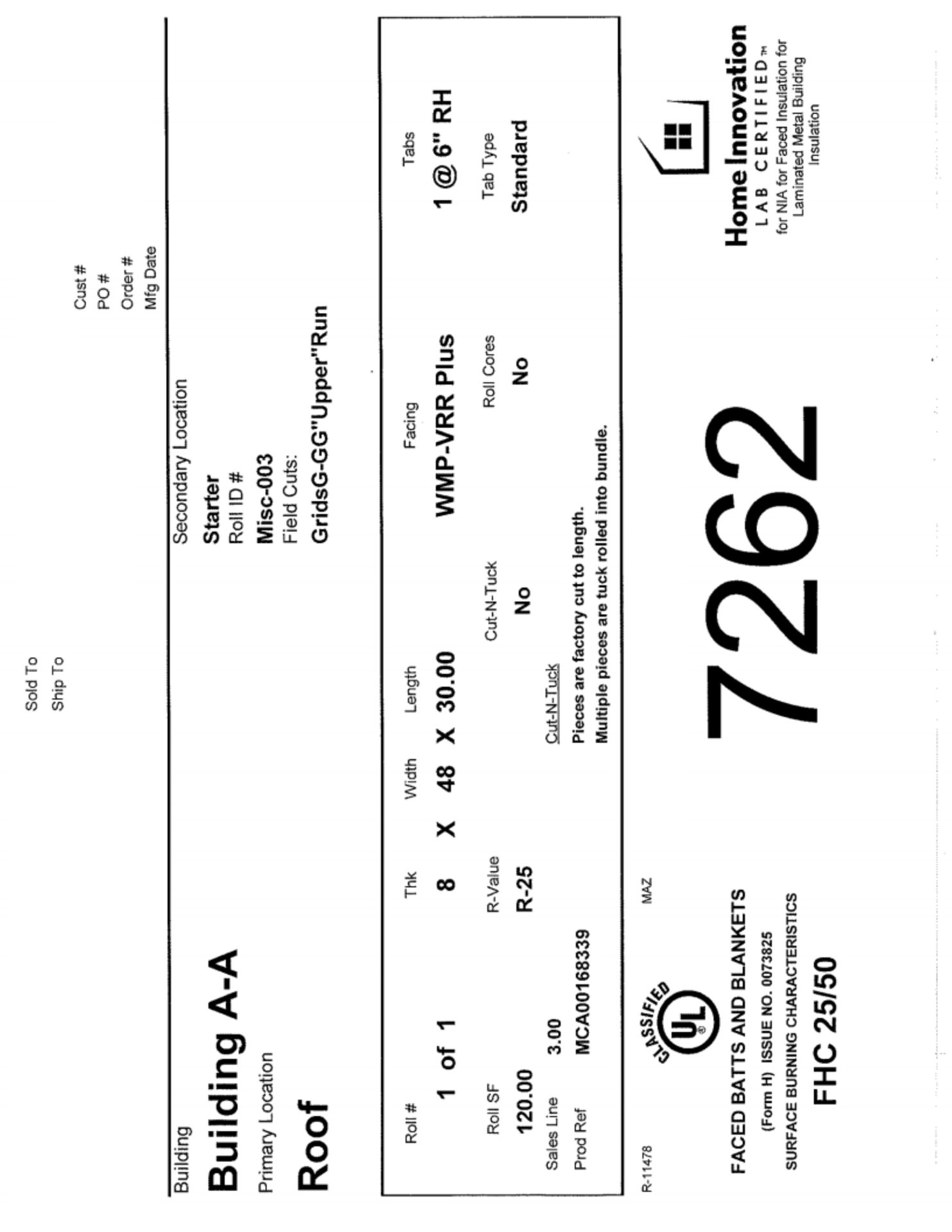
Photo courtesy NIA
The UMC and NFPA 90A also state that any insulation materials exposed with a plenum must have a flame spread index of not more than 25 and a smoke-developed index of not more than 50.
Although we have mentioned the more nationally recognized codes and standards, it is important to note that prior to any construction project, it is imperative that all local municipalities’ and state code adoptions be researched and recognized. The best way to do this would be to contact the local authority having jurisdiction (AHJ).
Connection to the NIA Certified Faced Insulation Standard (Version 404.2–2024)
In order to comply with the NIA Standard, metal building insulation laminators must subscribe to third-party laboratory verification of surface burning characteristics for their faced metal building insulation products. They must also have their product packages marked with the label of the certifying laboratory for surface burning characteristics. This allows building owners, installation contractors, and building code officials and inspectors to easily identify whether the metal building insulation supplied meets the code requirements for surface burning characteristics. It also holds the insulation industry accountable and further advances the reputation and commitment members have to the safety and well-being of their clients.
This article was written by a task force from the National Insulation Association’s (NIA’s) Metal Building Laminator Committee, whose membership includes Bay Insulation Systems, DAW Construction Group, The E.J. Davis Company, International Insulation Products, L&L Insulations, Silvercote, A Service Partners Company, and Therm-All.
This article was reprinted with permission and was originally published in the September 2024 issue of Insulation Outlook magazine, copyright © 2024 National Insulation Association (NIA), all rights reserved. Since 1953, NIA has been the voice of the insulation industry and is dedicated to keeping the commercial and industrial insulation industry up to date on the latest industry trends and technologies. For more information, visit www.insulation.org or email niainfo@insulation.org. Learn more about metal building insulation at www.insulatemetalbuildings.org.