Pre-engineered metal buildings (PEMBs) have long been favored for their strength, durability, and cost-effectiveness. However, one crucial aspect that often goes unnoticed is the insulation system. Proper insulation is essential for reducing energy consumption, maintaining comfortable indoor temperatures, and ensuring the longevity of these metal structures. Among various insulation materials, fiberglass insulation stands out as a reliable and cost-effective choice.
Evolution—where it began
The evolution of fiberglass insulation use has progressed significantly since its inception, transitioning from basic single-layer applications with low R-values to sophisticated multilayer systems that offer enhanced thermal performance and energy efficiency. Initially, fiberglass insulation was available in the form of batts or rolls, designed to be sandwiched between framing members and roof or wall panels. While this is still a primary method of insulating a metal building, today’s energy codes have required the development of different solutions.
Over time, advancements in manufacturing and material science have led to the development of higher-density fiberglass insulation products and more efficient installation techniques. Innovations include the introduction of multilayered systems, in which the installer uses two layers of fiberglass to further enhance performance. Modern fiberglass insulation systems often incorporate vapor barriers, reflective coatings, and other materials to address issues such as moisture control and radiant heat transfer. These systems are designed to maintain their R-value over a wider range of temperatures and conditions, ensuring consistent performance throughout the year. Unlike single-layer fiberglass, these systems utilize the framing cavity, filling it with fiberglass to improve thermal performance.
Code requirements
The American Society of Heating, Refrigerating, and Air-Conditioning Engineers (ASHRAE) and the International Code Council (ICC) play crucial roles in developing energy codes in the United States. ASHRAE develops standards such as ASHRAE Standard 90.1, which sets minimum energy-efficiency requirements for commercial buildings and large multifamily housing. This standard is continuously updated through a consensus process involving industry experts, government representatives, and other stakeholders. The ICC publishes the International Energy Conservation Code (IECC), which includes energy-efficiency requirements for both residential and commercial buildings. The IECC is updated every three years through a public consensus process, allowing for broad participation from various stakeholders. These organizations ensure that energy codes evolve to improve energy efficiency, reduce environmental impact, and promote sustainable construction practices.
Code agencies continue to value and require the properties of fiberglass insulation as a viable solution for achieving energy efficiency goals. Fortunately, fiberglass insulation systems are able to meet all current energy codes.
As states adopt new codes, there is a notable increase in requirements around air infiltration. This topic is becoming more relevant with each new code cycle. It is critical to understand that fiberglass insulation systems have been put to the test and perform to the current code requirements.
Benefits
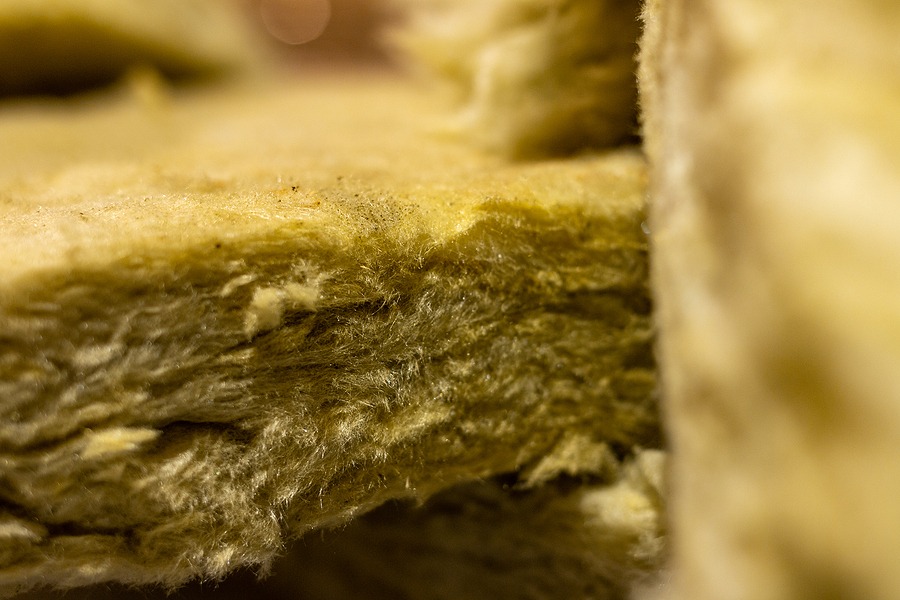
Fiberglass insulation is a practical choice for metal buildings. Benefits include:
- Fiberglass insulation is budget-friendly without sacrificing performance, making it an attractive option for metal building projects.
- Fiberglass stands out for its low installed cost per R-value. R-value measures the material’s thermal resistance.
- With the shortage of skilled labor and escalating labor costs, fiberglass insulation could be considered “user-friendly,” with its specific product markings and the general ease of handling. Its flexibility allows it to fit into irregular spaces (allowing for a filled cavity). The flexibility and ease of handling help minimize installation costs.
- Its durability is almost unprecedented. Unlike some materials that are prone to absorbing moisture, fiberglass insulation remains unaffected. It does not promote mold or mildew growth, ensuring a healthier indoor environment. Properly installed fiberglass insulation can last for decades without significant degradation, underscoring its cost-effectiveness over time.
Fiberglass insulation can contribute significantly to achieving or exceeding energy efficiency goals. The thermal performance of fiberglass insulation effectively reduces heat transfer, keeping indoor spaces warmer in winter and cooler in summer. A metal building system’s insulating properties help maintain a consistent temperature, enhancing occupant comfort, and can lead to reduced heating and cooling costs.
Tested
Metal building insulation must be tested for a myriad of safety and performance characteristics. The American Society for Testing and Materials (ASTM) is a primary agency for the development of standards that help enhance the performance of products and foster confidence in those products that consumers, as well as architects, engineers, and specifiers, buy and use.
Examples include:
- ASTM E84, Standard Test Method for Surface Burning Characteristics of Building Materials. This standard should be used to measure and describe the properties of materials, products, or assemblies in response to heat and flame under controlled laboratory conditions. By nature, fiberglass is noncombustible; however, when combined with a facing and an adhesive, it is important to test the final product.
- ASTM C991, Standard Specification for Flexible Fibrous Glass Insulation for Metal Buildings. This specification covers the classification, composition, and physical properties of flexible fibrous glass insulation for use in metal building roofs and walls.
NIA 404 Standard
NIA and its Metal Building Laminator Committee1 understand the importance of safety and performance characteristics related to the products it provides the market. The committee meets regularly and has published a revised standard, “NIA Certified Faced Insulation Standard (Version 404.2–2024).” The specifics of the standard can be found at 404.2–2024.
Metal building systems remain a popular choice for one- and two-story commercial and industrial construction projects, as these projects require materials engineered to keep pace with continually evolving design concepts and aggressive energy codes. As a committee, we are committed to providing a fiberglass insulation solution that meets the industry safety and quality requirements, as well as the most stringent energy-efficiency codes.
Notes
1 The Metal Building Laminator Committee meets within NIA, which is a not-for-profit service organization dedicated to meeting the needs of mechanical and specialty insulation contractors, distributors, fabricators, manufacturers, and metal building insulation laminators.
This article was written by a task force from the National Insulation Association’s (NIA’s) Metal Building Laminator Committee. The member companies that make up this committee include Bay Insulation Systems, Inc. (www.bayinsulation.com); DAW Construction Group, LLC (www.dawcg.com); The E.J. Davis Company (www.ejdavis.com); International Insulation Products, LLC (www.iiproducts.com); L&L Insulations (www.llinsulation.com); Silvercote, A Service Partners Company (www.silvercote.com); and Therm-All, Inc. (www.therm-all.com).
This article was reprinted with permission and was originally published in the September 2024 issue of Insulation Outlook magazine, copyright © 2024 National Insulation Association (NIA), all rights reserved. Since 1953, NIA has been the voice of the insulation industry and is dedicated to keeping the commercial and industrial insulation industry up to date on the latest industry trends and technologies. For more information, visit www.insulation.org or email niainfo@insulation.org. Learn more about metal building insulation at www.insulatemetalbuildings.org.