

A/E, Wayland, Ma., hard hit by the recent economic downturn in recent years, are doing what they can to get work and keep their businesses profitable, even if that means doing such as things as reducing billing rates, working without a signed contract, or not getting a retainer for a new project. According to ZweigWhite’s 2010 Fee & Billing Survey , A/E firms report that on average they begin 33% of projects without a signed contract, and that they get a retainer up front for a project only seven percent of the time. “Ideally you want to command the highest fee possible and be reimbursed promptly for the work you’ve performed,” says Christine Brack, PMP, Principal, ZweigWhite Strategic Advisory Services , who provides an in-depth forward to the 2010 Fee & Billing Survey . “The last year and a half unfortunately turned those ideals upside down and even encouraged some risky business practices.” ZweigWhite’s Fee & Billing Survey of A/E/P & Environmental Consulting Firms takes an in-depth look at the fee structures and billing practices of U.S. architecture, engineering, and environmental consulting firms. This report gives managers the information they need to see if their firm is charging enough or too much for their employees’ time, reimbursable expenses, equipment usage, and more. The report shows data broken down by firm size, type, region, growth rate, and client base enabling firms to make meaningful apples-to-apples comparisons. Fees for a number of services are shown for 12 different markets. Also compared by market are contract types, how firms determine the fee, and methods by which firms are awarded contracts. An electronic report or printed book is available for purchase from ZweigWhite at www.zweigwhite.com/p-933-fee-billing-survey-2010.aspx.
A/E Firm Business Practices Reflect Recent Downturn
This Month’s Features

Education, advocacy, and metal building excellence
Metal building systems extend far beyond the basic, box-like structures that many architects may still associate with them. Today, they support complex designs, varied...
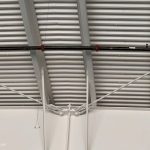
Bracing for the future
In metal building design, owners want to know the cost and delivery. Architects think about openings, elevations, space planning, and how the building will...
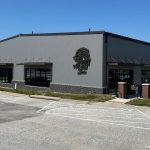
Champions Run
Recognizing the growing popularity of pickleball, Champions Run Golf Course in Omaha, Neb., developed a new year-round facility designed to provide an inviting environment...

From basic shelter to building blocks with infinite possibilities
When 13 metal building system manufacturers came together 70 years ago as the founding members of the Metal Building Manufacturers Association (MBMA), they did...
Read the latest issue
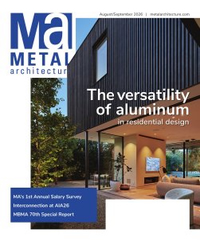
September 2026