

The results of the 2008 Autodesk/AIA Green Index—an annual survey that measures how American Institute of Architects, Washington, D.C., members are practicing sustainable design, as well as their opinions about the green building movement—show an increase in the implementation of sustainable design practices from architects and building owners. In addition, it shows that architects’ clients have experienced a doubling in the market demand for green buildings over the past year, as well as positive shifts in architects’ attitudes toward their ability to impact climate change. A major finding of the 2008 Green Index was that 42 percent of architects report clients asking for green building elements on a majority of their projects, with 47 percent of clients actually implementing green building elements on their projects, an increase of 15 percent from 2007. Client demand remains the leading driver for green building, with 66 percent of surveyed architects citing client demand as the primary influence on their practice of green building. Architects believe that the primary reasons their clients are asking for green buildings are reduced operating costs (60 percent), marketing (52 percent) and market demand (21 percent, up from 10 percent in the 2007 survey). Autodesk Inc. is based in San Rafael, Calif. The full Autodesk/AIA Green Index report is available at www.autodesk.com/green.
Architects implement sustainable practices
This Month’s Features

Aviation and automotive architecture with EMPAD Architecture + Design
EMPAD Architecture + Design is a 23-year-old full-service firm based in Florida that has worked across a wide array of sectors, from commercial to...

An all-metal experience for architects at METALCON 2026
Architects and designers heading to METALCON 2026 will find more than a traditional tradeshow. For three days, metal takes center stage.
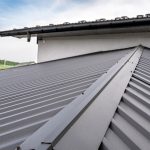
Where metal meets metal: integrating caulks and sealants into design
They are integral to managing movement, controlling moisture, supporting energy efficiency, UV/weather resistance, adhesion, and preserving aesthetics.
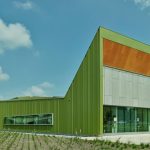
Metal walls beyond gray: designing
with color, light, and place
with color, light, and place
Neutrals are a versatile design option that architects and specifiers often veer towards when creating designs that integrate seamlessly with their environments.
Read the latest issue
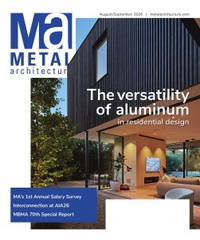
September 2026