

ATAS International Inc., Allentown,Pa., now offers an AIA Continuing Education Systems Sustainable Design course, “Energy Efficient Building Envelope Technology,” that can provide 1 LEU toward the health, safety and welfare requirement for continuing education. The course was developed by ATAS to help architects learn how metal cladding on roofs and walls can contribute to a sustainable building initiative. The concepts and technology of a building integrated photovoltaic system, the combination of solar reflectance and thermal emittance with above-sheathing ventilation for cool metal roofing, and the function of transpired solar collectors will be reviewed. For more information, visit www.atas.com. Recently named an AIA/CES provider, the West Haven, Conn.-based Bilco Co.’s first program for AIA and state credit focuses on the latest advances in horizontal access doors, fire vents and roof hatches. “What’s New in Horizontal Access Doors, Fire Vents & Roof Hatches” discusses the purposes and benefits of each of these specialty access systems; identifies the key features that architects and specifiers should look for in these products; and describes a series of new, performanceenhancing options. Available to architects, designers and other building professionals as an online self-study program, Bilco’s course can be accessed from the homepage of the company’s Web site, www.bilco.com. “Paint Specifications and the Effects on Green Building” and “Energy Efficient Glazing” from PPG Industries, Pittsburgh, are AIA/CES courses that are designated for Sustainable Design learning units. Both also earn the Health, Safety and Welfare credit. A third new course, “Specifying Glass,” is also an HSW learning unit. PPG offers courses both in the classroom and online at www.architectces.com. “Introduction to Green Walls: Technology, Benefits and Design” is an AIA/CES Systems course aimed at architects interested in learing more about the benefits of green wall systems. Sponsored by greenscreen, Los Angeles, the AIA/CES course counts as one hour toward learning unit requirements, including Health, Safety and Welfare, and Sustainable Design credit categories. The course also explores the history, structure, maintenance and types of green wall systems, as well as how to obtain possible LEED credits when using them. The course can be accessed at www.architectces.com or www.greenscreen.com.
Many new continuing education courses available (July 2009)
This Month’s Features

Maximizing metal performance in mixed-use residential design
As mixed-use residential buildings continue to grow in scale, density, and program complexity, the exterior envelope must serve multiple programs. Contemporary projects routinely combine...

Aviation and automotive architecture with EMPAD Architecture + Design
EMPAD Architecture + Design is a 23-year-old full-service firm based in Florida that has worked across a wide array of sectors, from commercial to...

An all-metal experience for architects at METALCON 2026
Architects and designers heading to METALCON 2026 will find more than a traditional tradeshow. For three days, metal takes center stage.
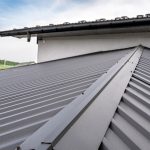
Where metal meets metal: integrating caulks and sealants into design
They are integral to managing movement, controlling moisture, supporting energy efficiency, UV/weather resistance, adhesion, and preserving aesthetics.
Read the latest issue
September 2026