

Moon Township, Pa.-based CENTRIA Services Group’s invelope, an all-in-one backup wall system for masonry and brick exteriors, has passed the Quincy, Mass.-based National Fire Protection Agency’s 285 ISMA (Intermediate Scale Multistory Test Apparatus) fire resistance test. Because invelope has met all the criteria of this test, the panel is compliant to Chapter 26 of the International Building Code. Therefore, invelope may be used in construction where noncombustible materials are required. The NFPA 285 test determines the flammability of exterior wall systems that contain combustible components and how flames will spread in the following conditions: over the face of the system, one story to the next, room side from one story to the next and lateral flame spread from room to room. This test recreates an actual fire situation in a two-story structure. The one-piece construction of invelope, featuring rigid steel skins that enclose a foam core, makes it suitable for rigorous product performance testing and significantly aids in the reduction of flame spread.
Wall system proves fire resistant (March 2009)
This Month’s Features

Aviation and automotive architecture with EMPAD Architecture + Design
EMPAD Architecture + Design is a 23-year-old full-service firm based in Florida that has worked across a wide array of sectors, from commercial to...

An all-metal experience for architects at METALCON 2026
Architects and designers heading to METALCON 2026 will find more than a traditional tradeshow. For three days, metal takes center stage.
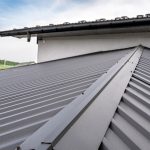
Where metal meets metal: integrating caulks and sealants into design
They are integral to managing movement, controlling moisture, supporting energy efficiency, UV/weather resistance, adhesion, and preserving aesthetics.

Metal walls beyond gray: designing
with color, light, and place
with color, light, and place
Neutrals are a versatile design option that architects and specifiers often veer towards when creating designs that integrate seamlessly with their environments.
Read the latest issue
September 2026