Photo by Tahvori Bunting
Tomecek Studio Architecture is a firm based in Denver, Colo., that brings authenticity to its designs. The firm weaves metal into projects, including all-encompassing structural aspects, such as pre-engineered metal building systems (PEMBs), as well as more precise details, including aesthetic perforations. Brad Tomecek, FAIA, principal and founder of the firm, provides the history of his practice, which began in 2002, with the company officially established in 2013. The company typically ranges from six to eight people, intentionally small enough for Brad to be involved in the creative process of the projects the firm undertakes.
Design inspiration: the client, environment, and material
Tomecek affirms his “inherent love and passion for everything design,” which is evident in his meticulous creative approach. Clients are often involved in the firm’s collaborative and goal-oriented design process. Tomecek also shares, “I think education needs to be constant. I think we’re always all learning.” He explains that in his nearly 30 years of architectural practice, it has been essential to explore and embrace new and emerging technologies.
With deep dives into design concepts like transparency, porosity, and screens, he explains the way new products can inspire designs: “When people come in and tell us about products, we’re trying to keep our eyes looking forward and ears to the ground about new ways of making things. I think making is the key piece because that’s what we do. We make spaces, and trying to figure out the how and why of each project is really important.”
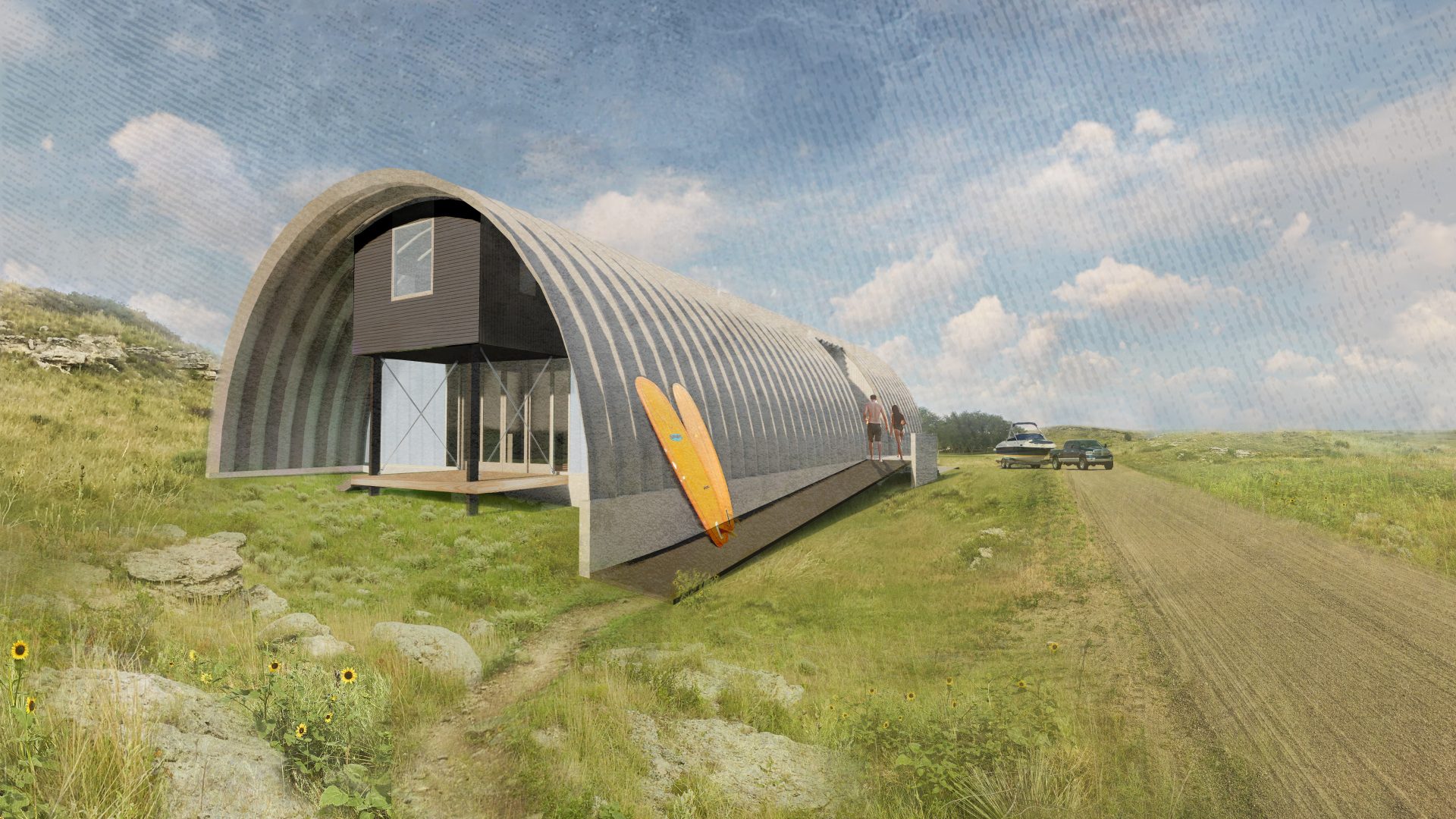
Photo courtesy Tomecek Studio
Quaint Quonset project: structural serenity in a metal building system
In tandem with embracing client input and material opportunities, the firm’s process draws inspiration from the project environment, with a robust site analysis guiding decisions. This combination of factors guides the firm’s designs, such as the selection of a Quonset hut PEMB for a lake house. Not a standard approach for a countryside residence, this design is ideally suited to its setting, blending seamlessly into the surrounding agricultural landscape. Its owner, a structural engineer, has an understanding and appreciation of Quonset hut systems.
The lake house by Lake McConaughey located in Ogallala, Neb., features a unique design. Corrugated metal provides a strong, stable, and durable exterior to the project, offering a cost-effective and comfortable option that facilitates other key factors, such as insulation. Its agrarian shell allows this residential design to immerse unassumingly with its Nebraskan farmland surroundings. The durability, efficiency, and longevity of the PEMB provided the opportunity for additional design considerations to be made regarding how to work with the interior to create a warmer experience inside a typically cooler material.
The door to a symbiotic design
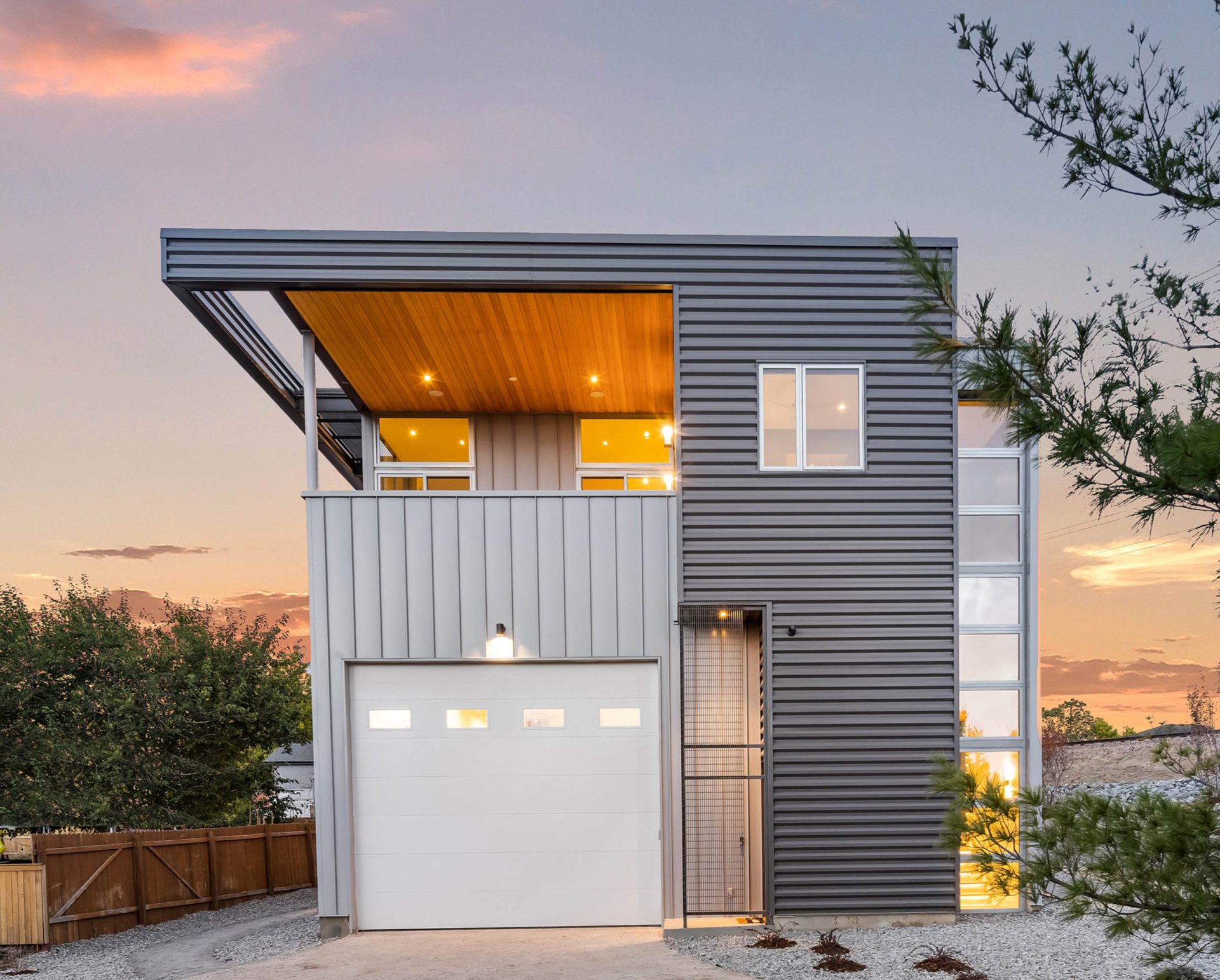
Another prime example of environmental inspiration in action is the design of a hybrid residence, workshop, and transportation storage space situated on the outskirts of Denver. With elevation from a railway adjacent to the site as well as vast scenery—a park greenspace to the east, a skyline to the south, and mountains to the west—the opportunities for working with the surroundings were significant in what Tomecek calls the Railside Project. The structure includes elements like decks and windows to emphasize the beauty of the surroundings and the daylight that the project’s location provides.
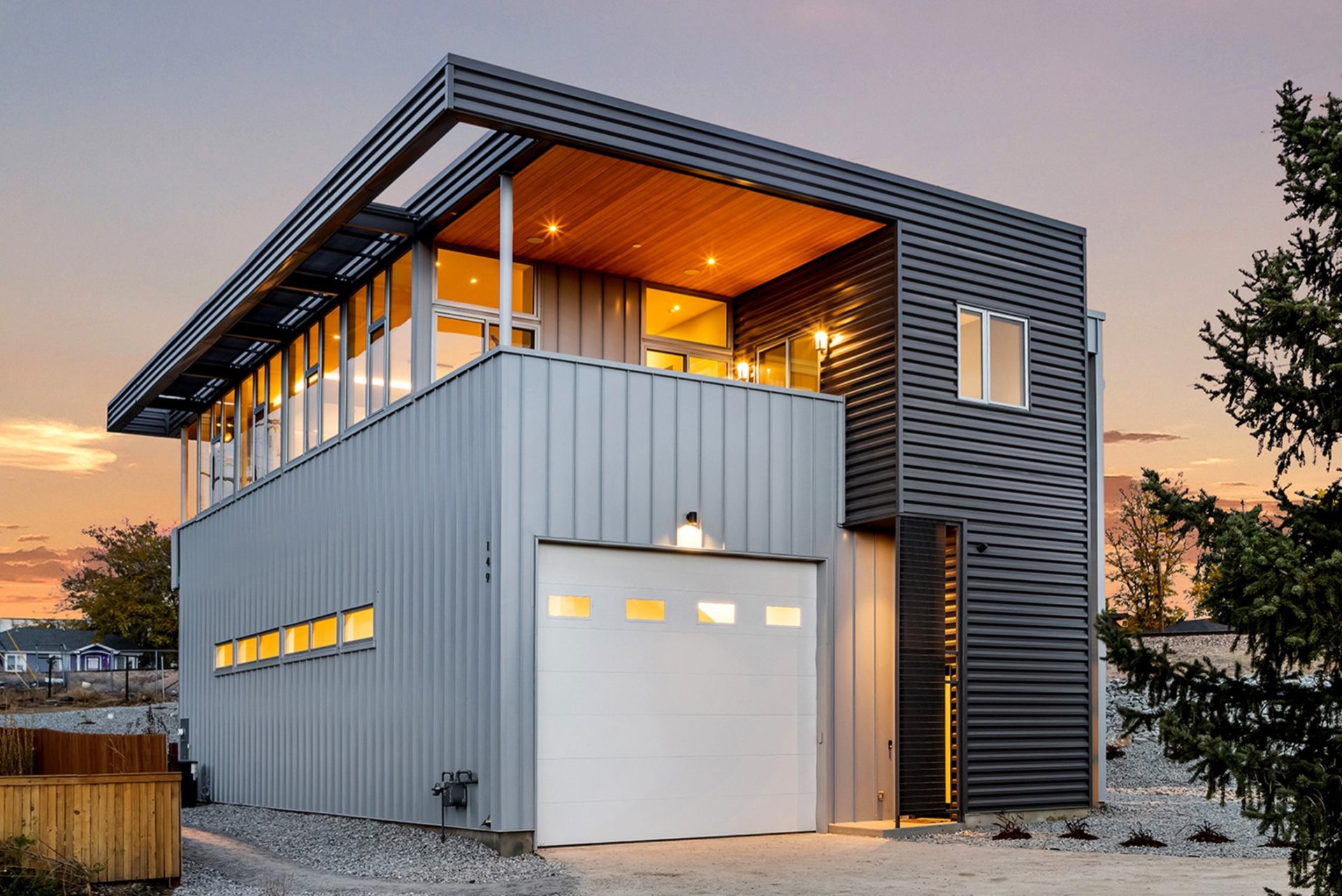
In the Railside Project, clients had a unique need: they required a garage for their modern-day Winnebago recreational vehicle (RV). The result was a living space situated above a large workshop garage with significant storage. For these accommodations to integrate seamlessly into the space, Tomecek explains the process involved incorporating the garage door, which “was meant to not draw a ton of attention to itself.” With the front door situated beside the garage, the main entrance is the focal point despite the garage door’s size and placement. The surrounding structure features a combination of horizontal box ribbed and vertical standing seam metal, with juxtaposing lines that help the garage door blend unassumingly into the building’s appearance. By introducing window elements into both the side and door of the garage, light provides a sense of synergy in its design.
Community care and artistic flair
At Centennial Center Park in Centennial, Colo., the firm’s designs for pavilion structures provide shade, restroom facilities, and aesthetic focal points. Metal defines these projects, with standing seam metal roofing atop two pavilions offering acoustical insulation benefits, separating the space from surrounding traffic noise, and embracing the serenity of the area.
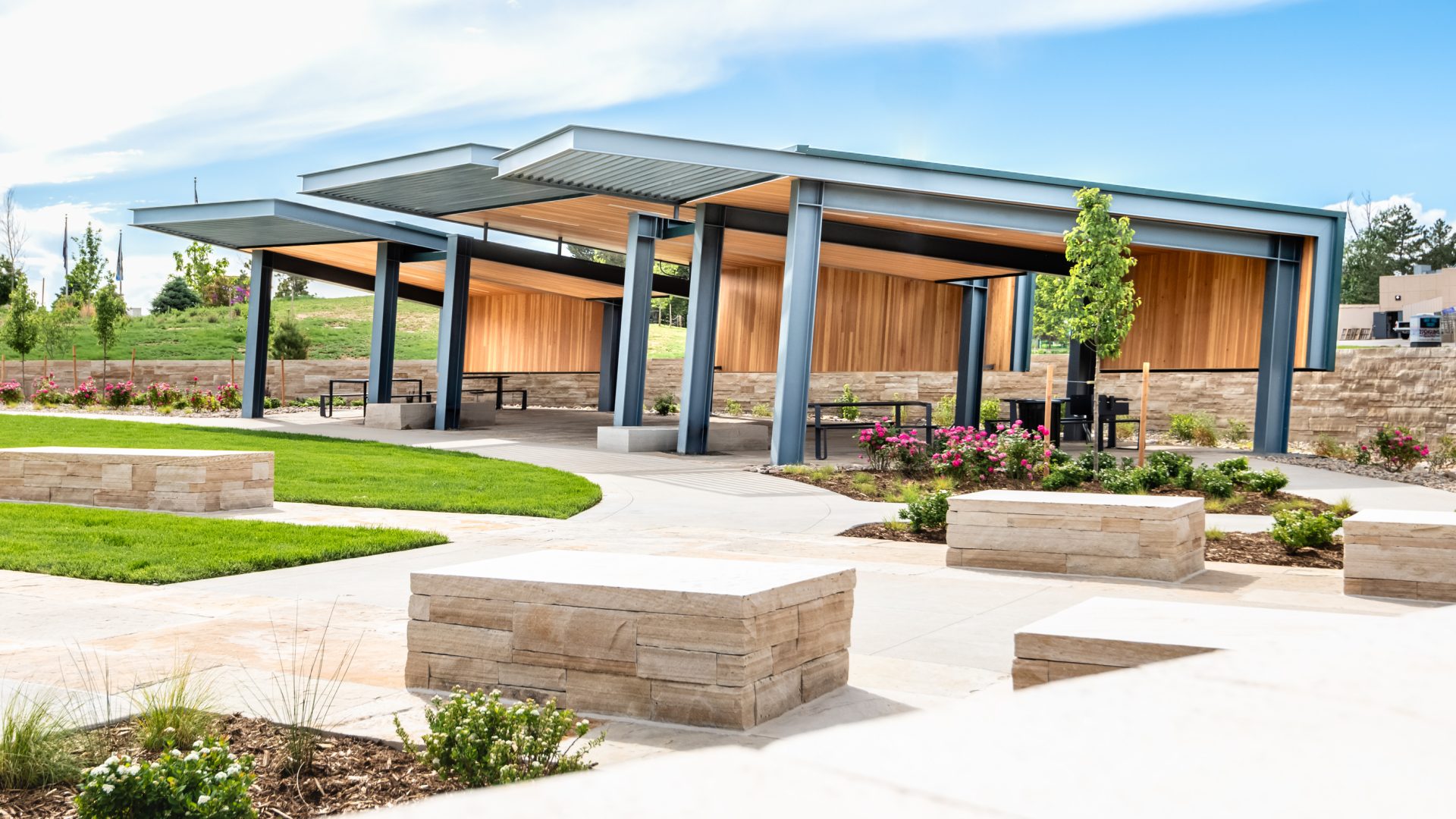
Photo by Sarah Vanderpool
The Centennial Folly is the focal point of this park, an artistic sculptural element made of weathering steel. The cage-like canopy frames the horizon, offering a picturesque view of one of the state’s highest peaks. Tomecek describes aspects of the structure’s visual impact, emphasizing: “the shade, shadow, and the textures that change throughout the day.” He describes the project as spatial and explains that the movement of the slatted light draws people in. He elaborates, “people walk through it. You can sit at the end and look out at that hill, but it just becomes more like an oculus and like a viewfinder, if you will.”
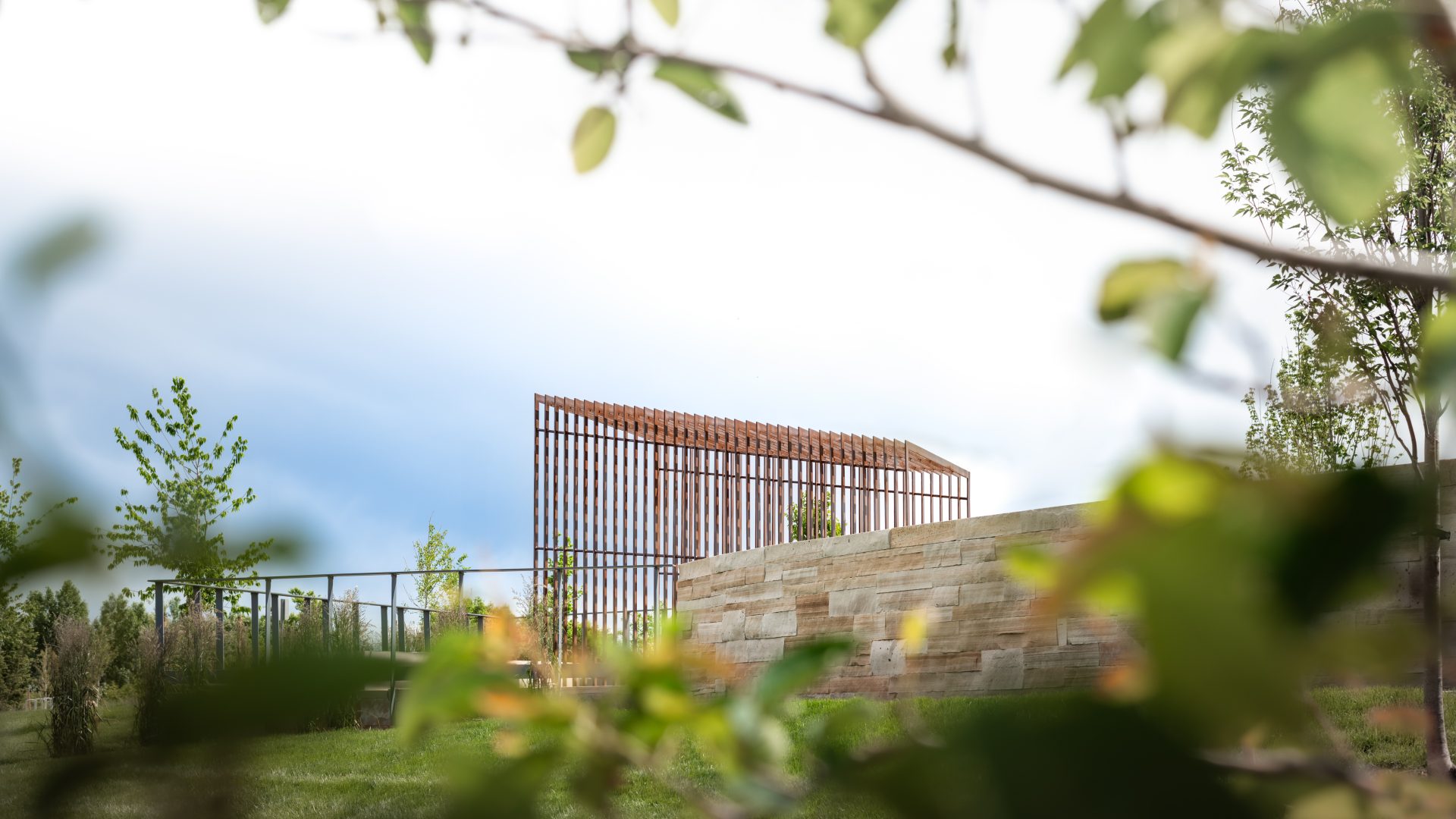
Photo by Sarah Vanderpool
Metal, music, and light
Perforated metal panels serve as the unique focal point of a residential project titled the Pianoforte by Tomecek. White aluminum panels over the entrance and garage door feature a repeated pattern of perforated circles, modeled after the sizes of the pipes on a pipe organ, representing the client, an organist. Unique to itself, this design evokes the owner’s musical identity through this distinctive metal element, prominently displayed on the home’s facade.
Tomecek explores the sun shading strengths of metal in his designs, calling it a way to “deal with the sun, natural light, and enjoying the byproduct of interesting patterns changing throughout the day.”
He shares, “We use metal because of all the different ways you can filter light with it,” and says, “it adds a lot of layers and therefore sophistication to the space.” Reflecting on the scope of metal used for light and shading in Tomecek Studio Architecture’s projects, Tomecek explains the range available from thick bar stock to thin and punctured. Tomecek Studio Architecture makes use of the opportunities afforded by light and landscape while conveying a profound representation of clients’ identities, and showcasing the expressive versatility of metal throughout the firm’s designs.
This feature originally appeared in the March/April 2026 edition of Metal Architecture, which you can find in our Digital Edition Archives.